
Custom Medical Plastic Parts ISO9001 Certified High Precision
When it comes to the world of healthcare, precision isn’t a luxury—it’s a requirement. Behind the scenes of every successful medical device is a crucial piece that often gets overlooked: plastic components that have been carefully engineered to meet strict medical standards.


What Are Medical Plastic Parts?
Medical plastic parts are components used in a wide range of healthcare products and devices—think syringes, IV connectors, diagnostic equipment housings, surgical tools, and more. What sets these apart from everyday plastic products is that they need to meet stringent safety, durability, and sterility requirements.
Why Go Custom?
Healthcare is not one-size-fits-all. Devices often have to fit precise anatomical, functional, or ergonomic needs. Custom plastic parts allow manufacturers and engineers to:
- Meet strict regulatory standards (like ISO 13485 or FDA compliance)
- Enhance patient safety with biocompatible materials
- Improve usability for healthcare professionals
- Reduce assembly time through integrated features
- Minimize risk by eliminating unnecessary components or joints
Think of a handheld surgical device. If it’s too bulky, slippery, or hard to clean, it’s not just inconvenient—it can be dangerous. Custom plastic components solve those problems by being designed from the ground up for real-world use.
What Goes Into the Custom Design Process?
Creating a medical-grade plastic part isn’t as simple as sketching an idea and hitting "print." It’s a careful process that involves:
- Needs Assessment: Understanding exactly what the device will do, who will use it, and under what conditions.
- Material Selection: Choosing plastics that are not only biocompatible but also durable under sterilization, chemicals, or body fluids.
- Prototyping: Using techniques like CNC machining or 3D printing to test form, fit, and function early.
- Design for Manufacturability (DFM): Ensuring the part can be efficiently and consistently produced, often via injection molding.
- Regulatory Alignment: Making sure the design meets documentation and testing requirements for medical approval.
Materials Matter
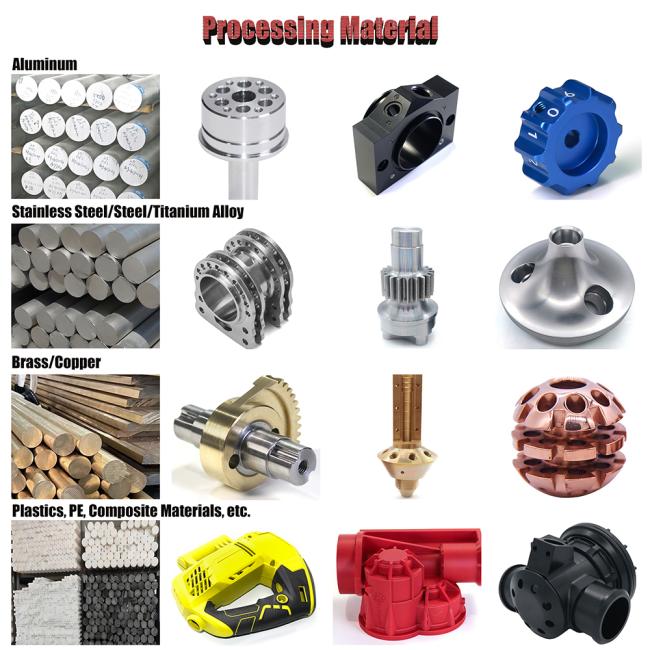
The type of plastic used in medical parts isn’t arbitrary. Common materials include:
- Polycarbonate (PC): High strength and clarity
- Polypropylene (PP): Excellent chemical resistance
- PEEK: High performance, suitable for implants
- TPEs: Flexible, often used in seals and gaskets
Each has its own pros and cons, depending on the application.
Final Thoughts
Whether you're designing a cutting-edge surgical tool or a simple diagnostic cartridge, custom medical plastic parts play a critical role in bringing innovation to life. By working closely with engineers, material scientists, and manufacturers, healthcare companies can turn ideas into life-saving realities.



FAQ
1. Are you a manufacturer or a trading company?
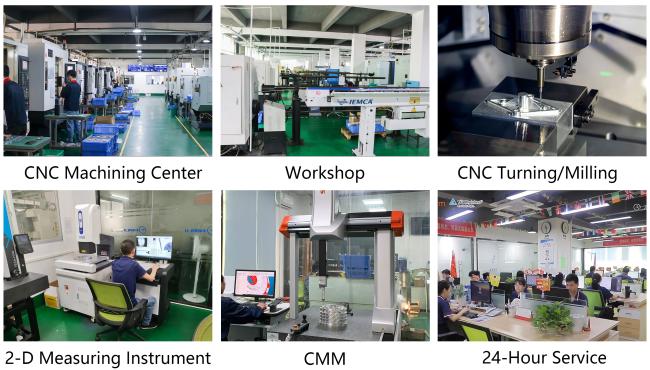
covering 6000 square meters. Complete facilities, including 3D quality inspection equipment, ERP system and 40 machines. If necessary, we can provide you with material certificates, sample quality inspection and other reports.
Detailed drawings (PDF/STEP/IGS/DWG...), including quality, delivery date, materials, quality, quantity, surface treatment and other information.
Get in Touch
Have questions about our products or want to discuss a custom order? Our team is ready to help you.