
OEM precision CNC machining plastic injection molded parts
In today’s advanced manufacturing landscape, precision machining plastic parts has become a critical service for industries that demand lightweight, corrosion-resistant, and high-performance components. From aerospace and medical devices to electronics and industrial automation, machined plastic parts are widely used where metal alternatives would be too heavy, conductive, or chemically reactive.


What Is Precision Machining of Plastic Parts?
Precision machining refers to the process of removing material from a workpiece using computer-controlled tools to achieve exact dimensions and tight tolerances. When applied to plastics, this process involves cutting, drilling, milling, and turning engineered thermoplastics to produce high-precision parts that meet complex design requirements.
Unlike metal machining, plastic machining requires unique knowledge of material behavior, cutting speeds, and tool types to avoid issues like melting, warping, or stress cracking.
Why Choose Plastic for Precision Machined Parts?
Plastic materials offer several advantages over metals in precision machining applications:
- Lightweight: Ideal for aerospace, automotive, and wearable medical devices.
- Chemical Resistance: Suitable for harsh or reactive environments.
- Electrical Insulation: Perfect for electronic housings, insulators, and sensor components.
- Low Friction and Wear: Excellent for moving parts and bearing surfaces.
- Cost-Effective: Easier to machine and often less expensive than metals.
- Customizable Properties: Available in a wide range of grades with UV resistance, flame retardancy, and FDA compliance.
These benefits make plastic machining a strategic choice when design requirements extend beyond what metal can offer.
Common Plastics Used in Precision Machining
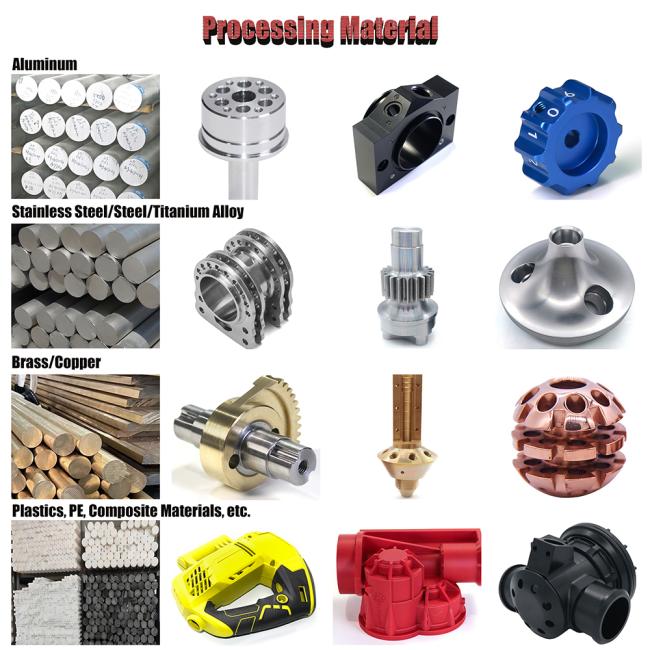
Not all plastics are suitable for high-precision machining. The most commonly used engineering plastics include:
- Delrin® (Acetal): Excellent dimensional stability, low friction, and high strength.
- PTFE (Teflon®): Exceptional chemical resistance and high-temperature tolerance.
- Nylon: Tough, lightweight, and resistant to wear.
- PEEK: High-performance thermoplastic used in medical and aerospace applications.
- PVC: Rigid, chemically resistant, and easy to machine.
- Polycarbonate: Strong, transparent, and impact-resistant.
Material selection depends on the part’s application, environmental conditions, and required mechanical properties.
Applications of Precision Machined Plastic Parts
Precision-machined plastic parts are used across numerous industries, including:
- Medical Devices: Surgical tools, diagnostic equipment, and implantable components.
- Aerospace and Defense: Lightweight brackets, bushings, and insulation components.
- Electronics: Enclosures, insulators, switch housings, and connector parts.
- Food Processing: FDA-compliant conveyor parts, scrapers, and fluid handling systems.
- Industrial Automation: Custom gears, wear pads, seals, and guides.
These parts often require tight tolerances, smooth finishes, and consistent performance under stress—making precision machining a perfect fit.
Benefits of Precision Machining for Plastic Parts
Choosing precision machining for plastic components offers several clear advantages:
- High Tolerances: CNC machines can achieve tolerances as tight as ±0.001 inches, depending on material and part design.
- Complex Geometries: Machining supports undercuts, threads, and intricate features that molding cannot produce without complex tooling.
- Fast Prototyping: Ideal for low-volume runs and prototyping before moving to injection molding or other mass production methods.
- No Tooling Required: Unlike molding, CNC machining does not require expensive molds or dies, making it more flexible and cost-effective for small batches.
- Post-Machining Options: Parts can be modified, assembled, or surface-finished after machining.
Precision Machining vs. Injection Molding for Plastic Parts
While injection molding is best suited for high-volume production, precision machining is preferred when:
- Tolerances are critical
- Volume is low or variable
- Part design is complex or likely to change
- Time-to-market is a priority
- The material is difficult to mold
In many cases, machined plastic parts are used during development and early production, with tooling added later for large-scale molding if needed.



FAQ
1. Are you a manufacturer or a trading company?
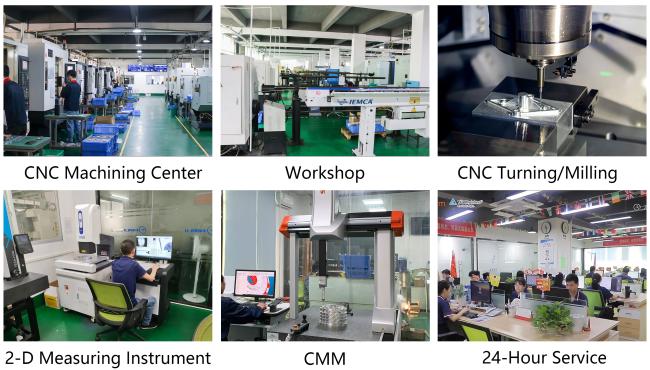
covering 6000 square meters. Complete facilities, including 3D quality inspection equipment, ERP system and 40 machines. If necessary, we can provide you with material certificates, sample quality inspection and other reports.
Detailed drawings (PDF/STEP/IGS/DWG...), including quality, delivery date, materials, quality, quantity, surface treatment and other information.
Get in Touch
Have questions about our products or want to discuss a custom order? Our team is ready to help you.