
ASME ANSI DIN BS EN Steel Stainless Steel Dupelx Steel Carbon Steel Flange
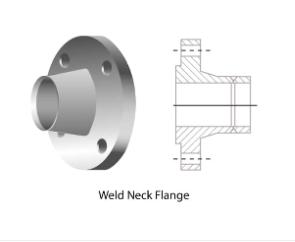
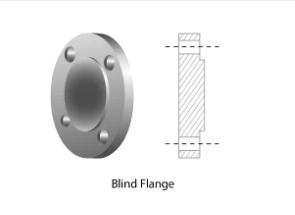
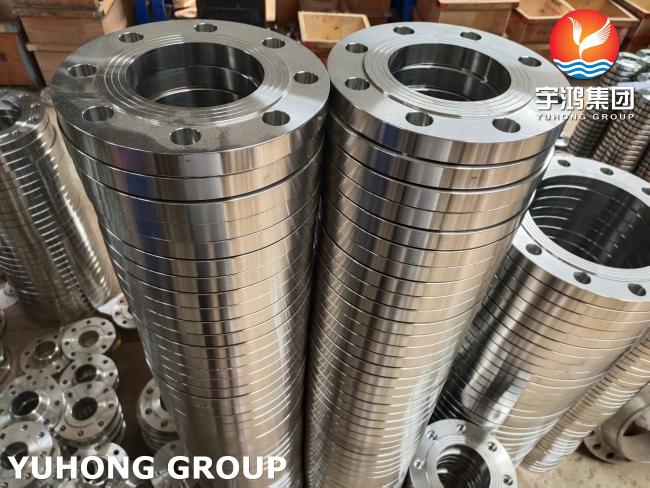
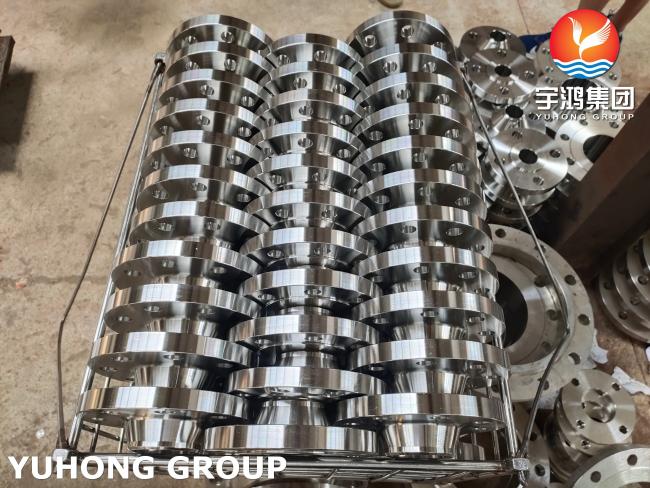
A flange is a protruding rim or edge on a pipe, shaft, or other object, designed to increase strength, provide support, or facilitate attachment to another object. Flanges are commonly used in piping systems to connect pipes, valves, and other equipment together. They can also be found in various industrial applications such as in automotive, aerospace, and construction industries. Flanges come in different shapes, sizes, and materials to suit different requirements and applications.
Flange face is the surface of a flange that comes into contact with the mating flange surface during assembly. It is important for the flange face to be smooth and flat to ensure a proper seal and prevent leaks. Flange faces can have different types of finishes, such as raised face, flat face, ring joint face, and tongue and groove face, depending on the specific requirements of the application.
- Flat Face (FF): As the name suggests, flat face flanges feature a flat, even surface combined with a full face gasket that contacts most of the flange surface.
- Raised Face (RF): These flanges feature a small raised section around the bore with an inside bore circle gasket.
- Ring Joint Face (RTJ): Used in high-pressure and high-temperature processes, this face type features a groove in which a metal gasket sits to maintain the seal.
- Tongue and Groove (T&G): These flanges feature matching grooves and raised sections. This aids in installation as the design helps the flanges to self-align and provides a reservoir for gasket adhesive.
- Male & Female (M&F): Similar to tongue and groove flanges, these flanges use a matching pair of grooves and raised sections to secure the gasket. However, unlike tongue and groove flanges, these retain the gasket on the female face, providing more accurate placement and increased gasket material options.
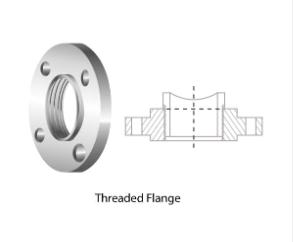
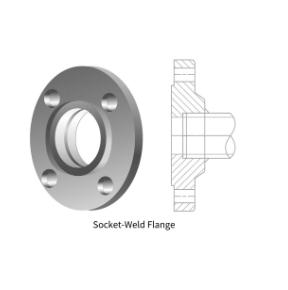
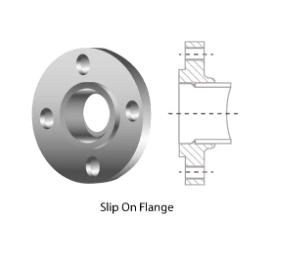
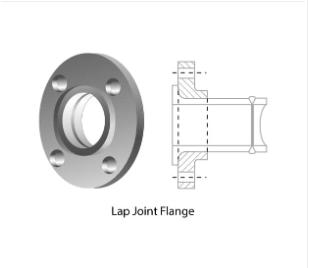
Get in Touch
Have questions about our products or want to discuss a custom order? Our team is ready to help you.