
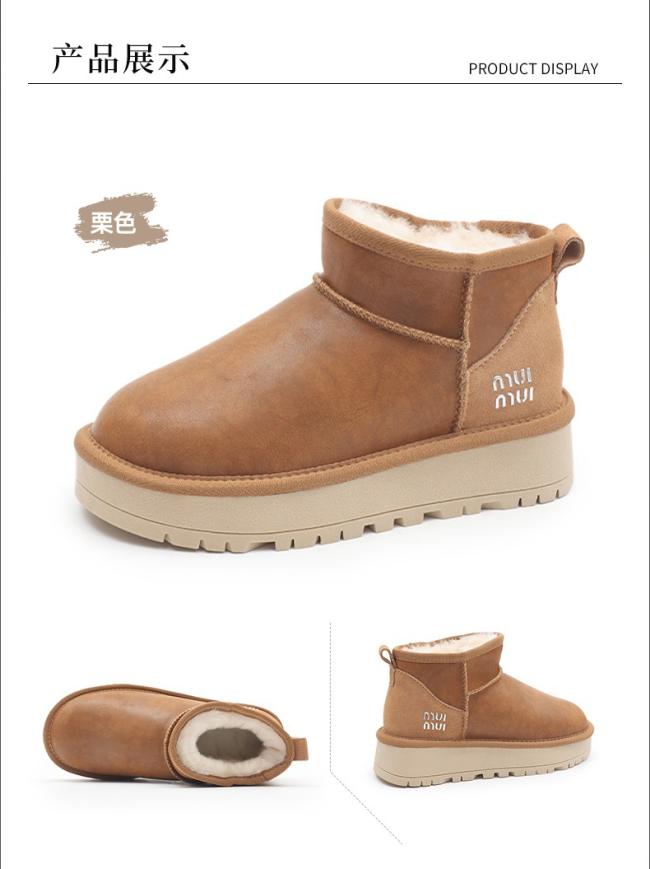
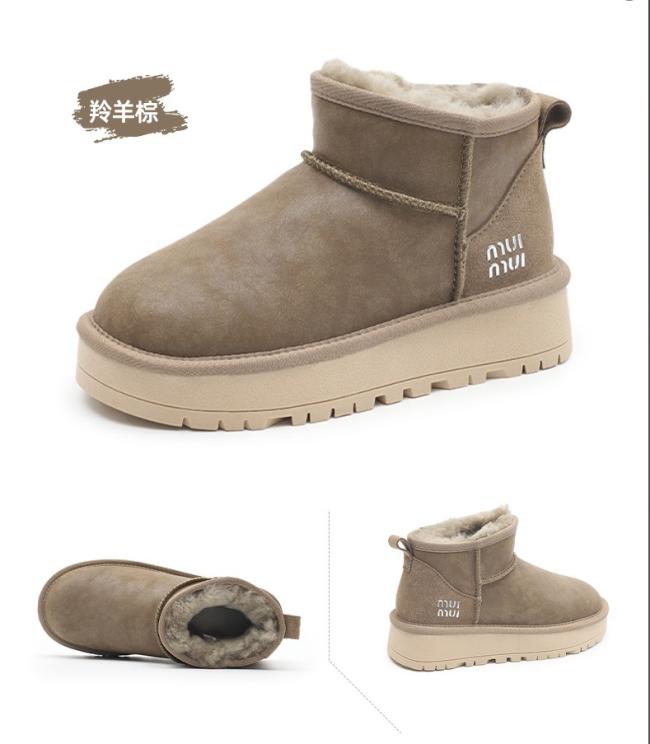
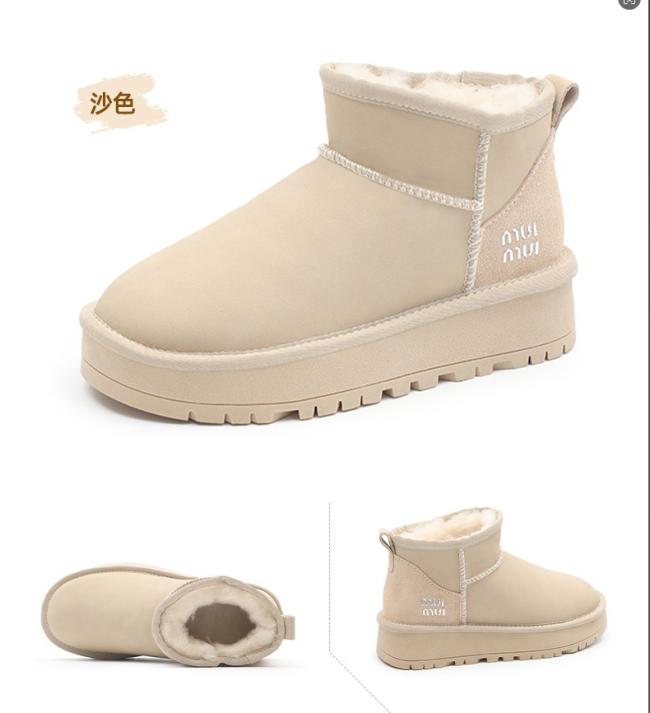
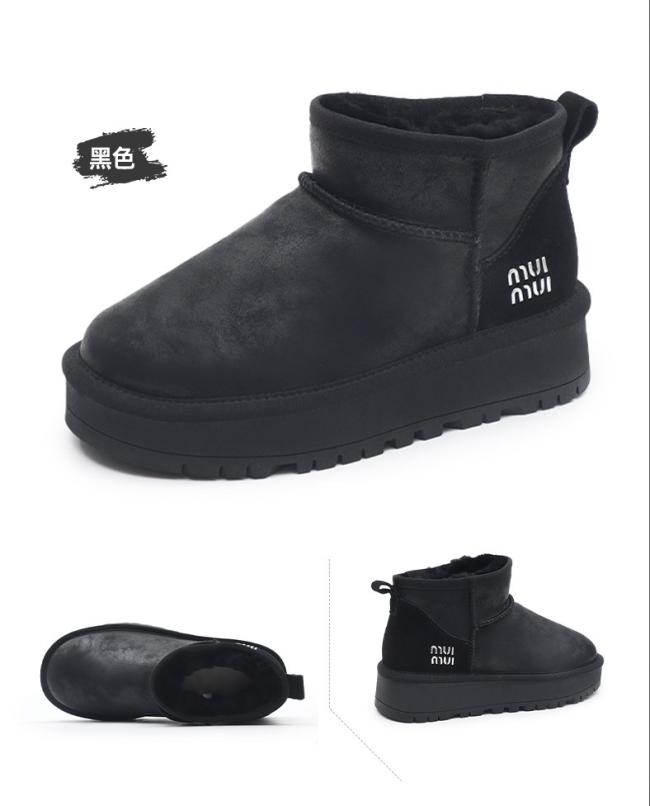
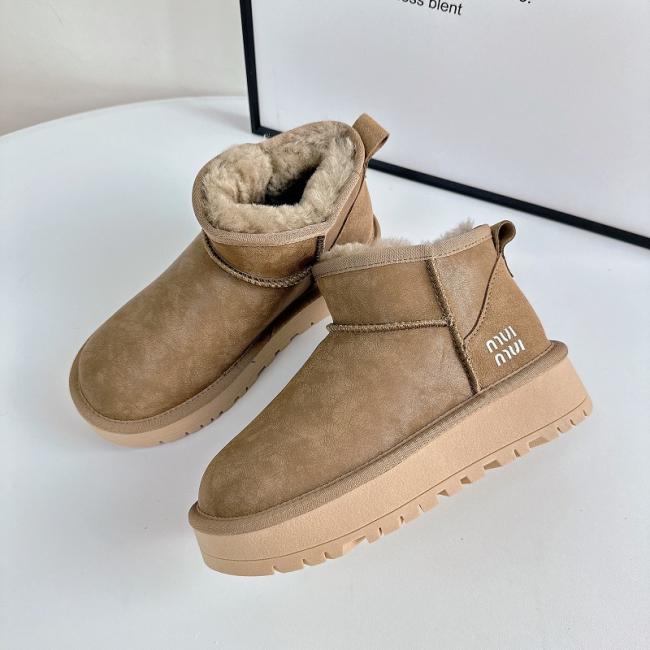
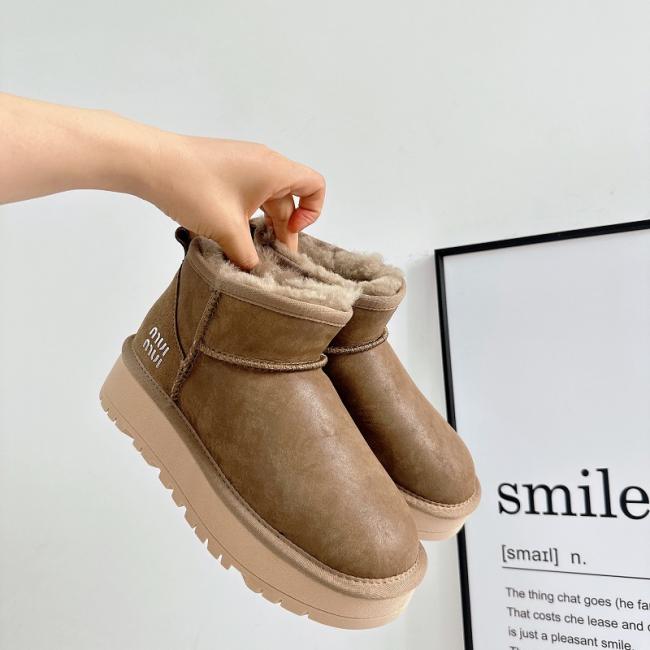
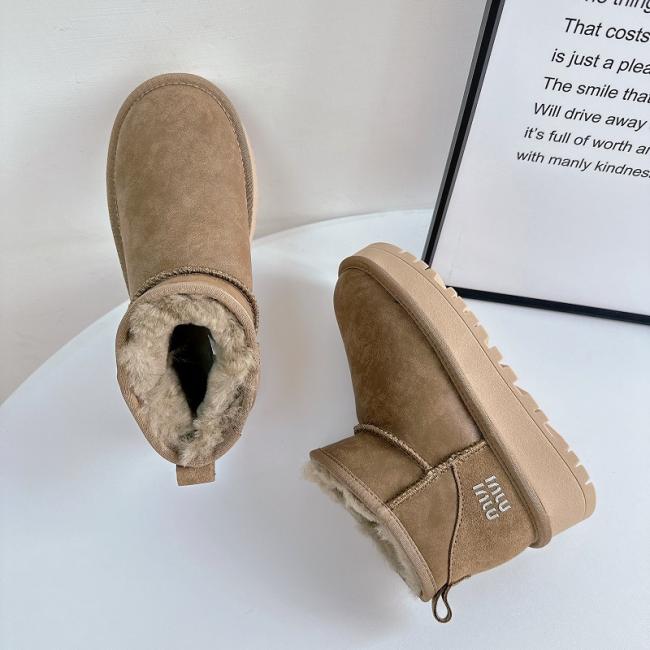
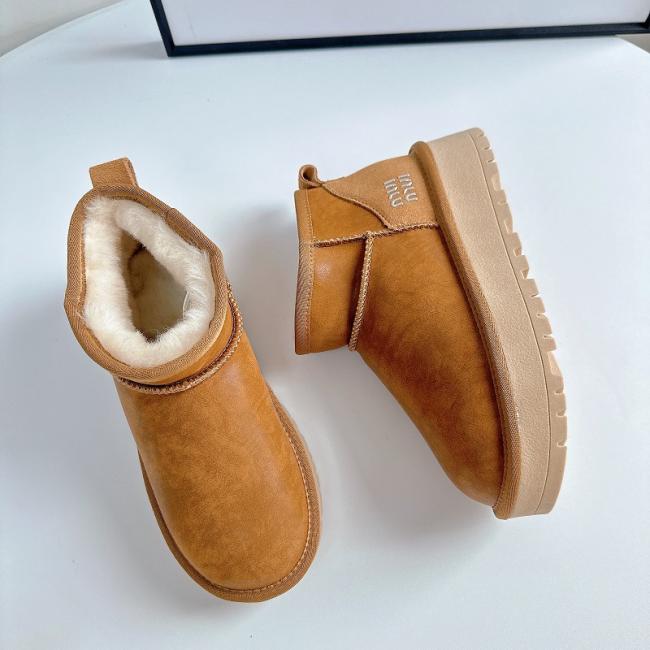
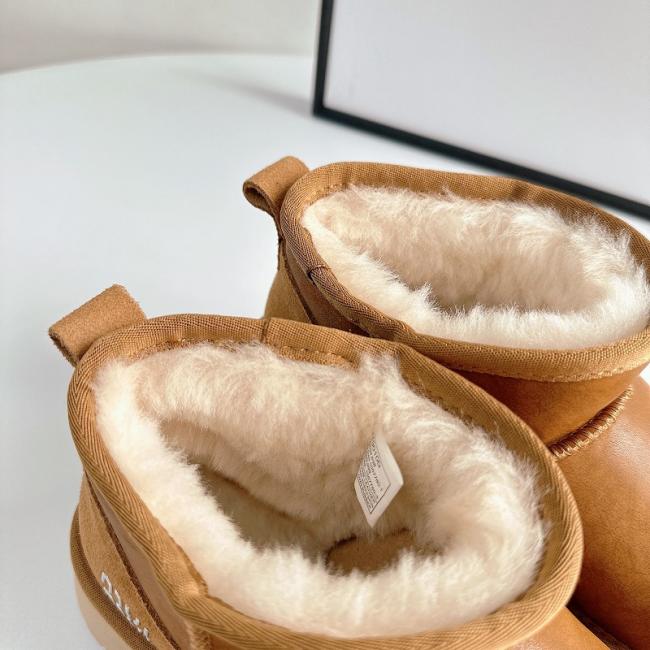
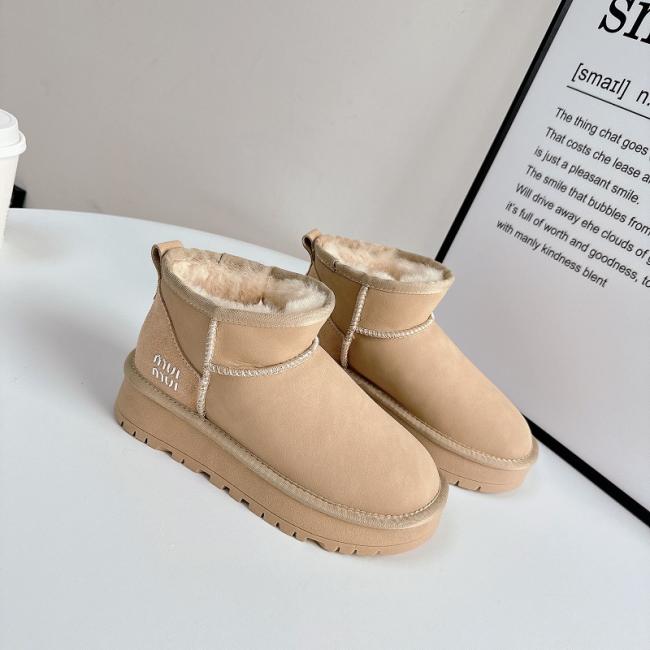
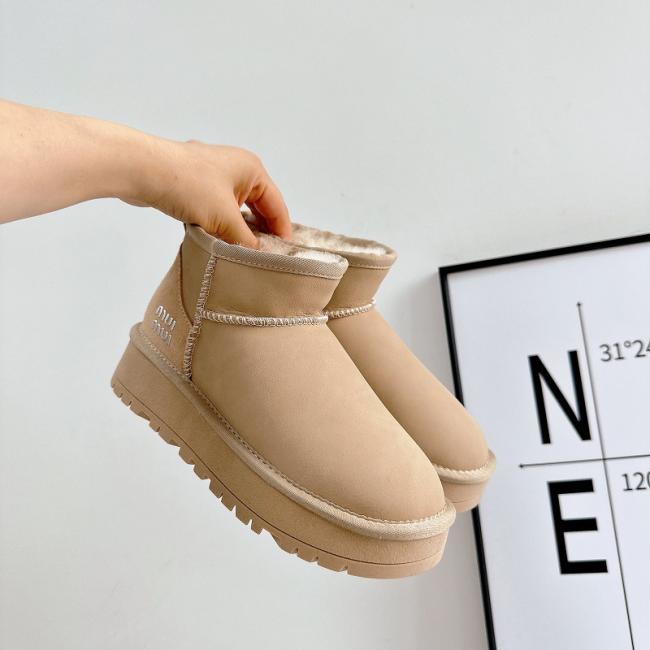
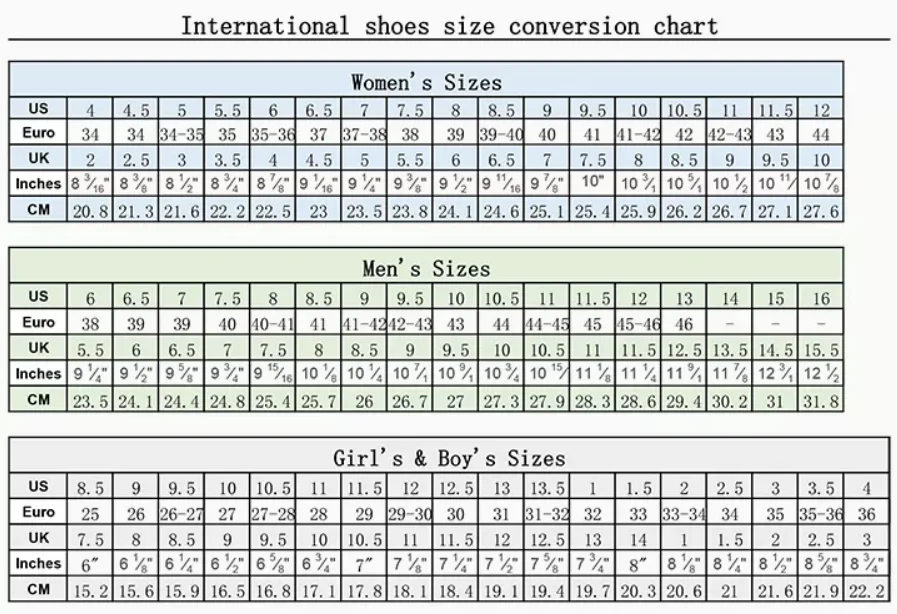
Thick Sole Height Increasing Snow Boots Women Winter Wool Lining Waterproof TPR Outsole Size 35-40
When choosing snow boots, consider the following aspects:
- Warmth: Choose boots made from good insulating materials, such as wool or polyester. Check the warmth rating of the boots.
- Waterproofing: Ensure the boots have waterproof features to prevent snowmelt from seeping in. Look for materials with waterproof coatings or specially designed waterproof boots.
- Slip Resistance: Select boots with good traction on the soles to prevent slipping on icy surfaces. Rubber soles are usually a good choice.
- Comfort: Try on the boots to ensure they are comfortable, especially in terms of toe and ankle movement. Consider choosing insoles with padding.
- Height: The height of the boots is also important; taller boots provide better protection for the legs and prevent snow from entering.
- Weight: Lightweight boots are easier to wear and walk in, avoiding fatigue from heavier options.
- Style and Purpose: Choose a style that fits your needs, such as for everyday wear, outdoor activities, or skiing.
- Brand and Reviews: Opt for well-known brands and check reviews and feedback from other users to ensure quality and reliability.
The requirements for producing snow boots include the following aspects:
1.Material Selection:
Outer Material: Should use waterproof and abrasion-resistant materials, we used synthetic leather.
Lining Material: Choose materials with good insulation properties, we used wool
Sole Material: Use durable rubber to ensure good traction and slip resistance.we used TPR
2.Design Requirements:
Waterproof Design: Our Snow Boots have waterproof seals to prevent moisture from entering.
Insulation Design: There should be sufficient insulation layers to keep warm in low-temperature environments.
Comfort: considering foot comfort, including adequate space and support.
3.Functionality:
Slip Resistance: The sole of our boots have a good slip-resistant design suitable for icy and snowy surfaces.
Breathability: While ensuring waterproofing, it also have good breathability to prevent moisture buildup in the feet.
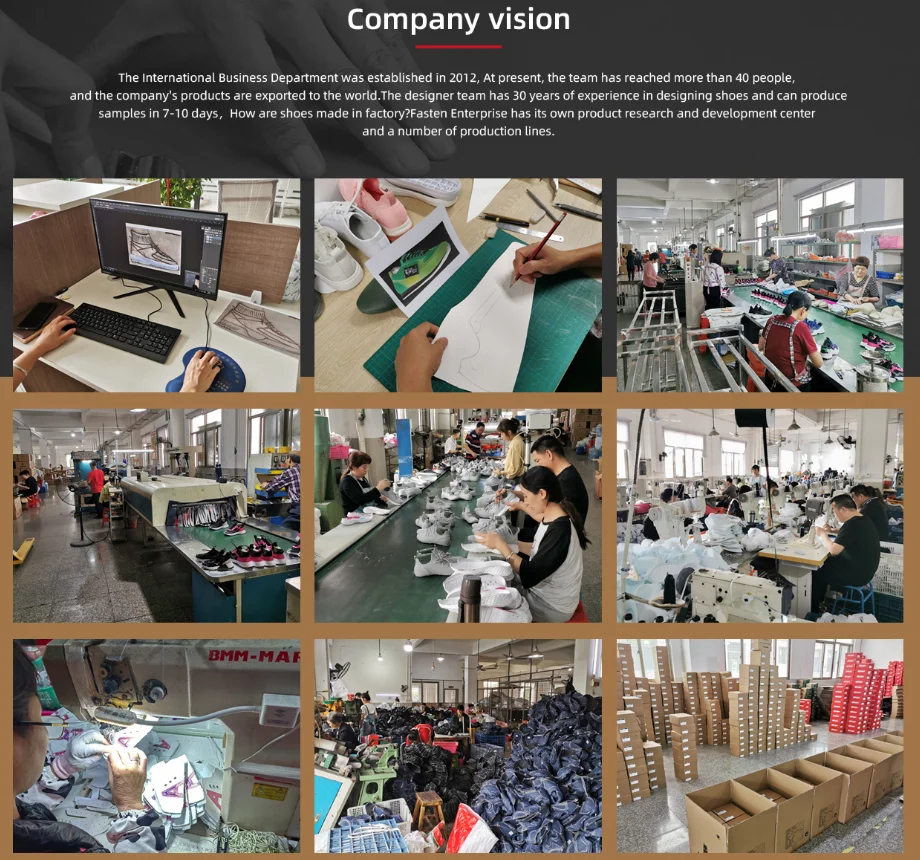
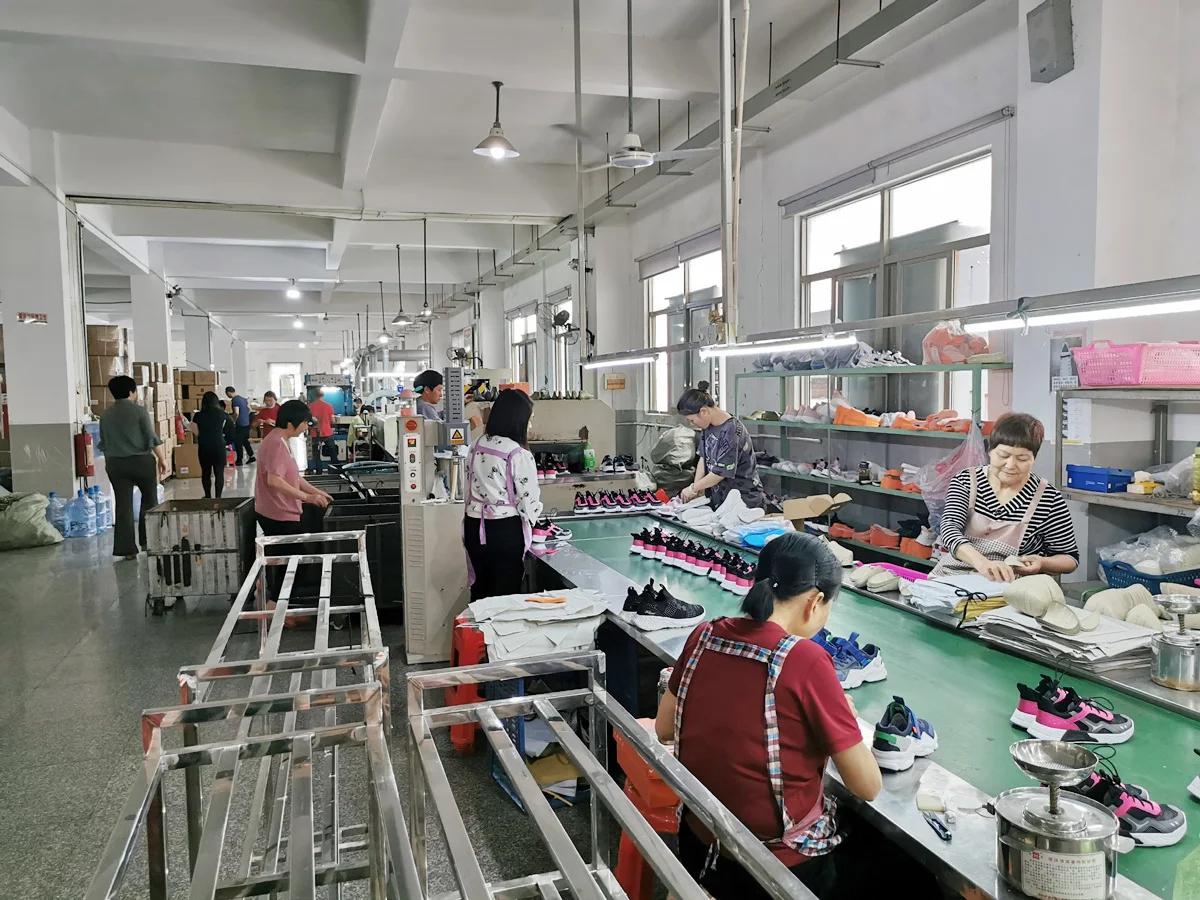
4.Production Process:
Sewing Techniques: Use high-strength stitching to ensure the durability of the boots.
Molding Process: The shaping of the boots conform to ergonomic principles, providing good support and comfort.
5.Quality Control:
Testing Standards: Meet relevant quality and safety standards to ensure product reliability.
Durability Testing: Conduct tests for abrasion resistance, tear resistance, and waterproof performance.



Get in Touch
Have questions about our products or want to discuss a custom order? Our team is ready to help you.