
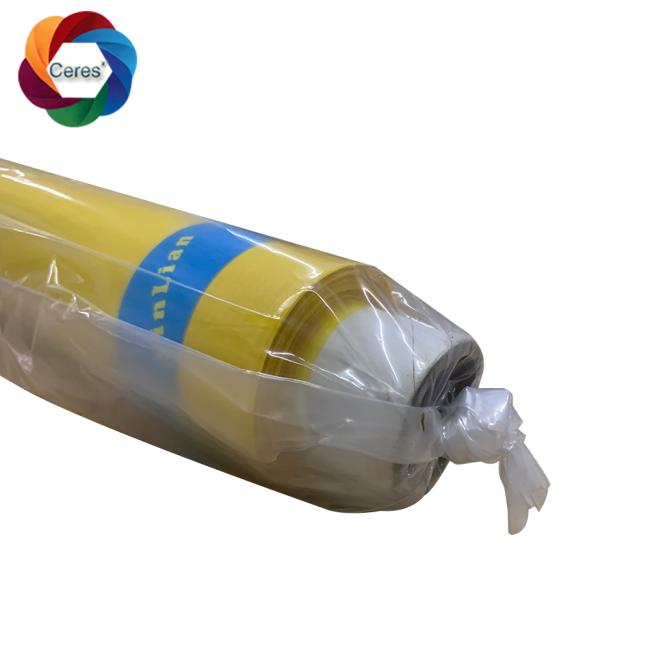
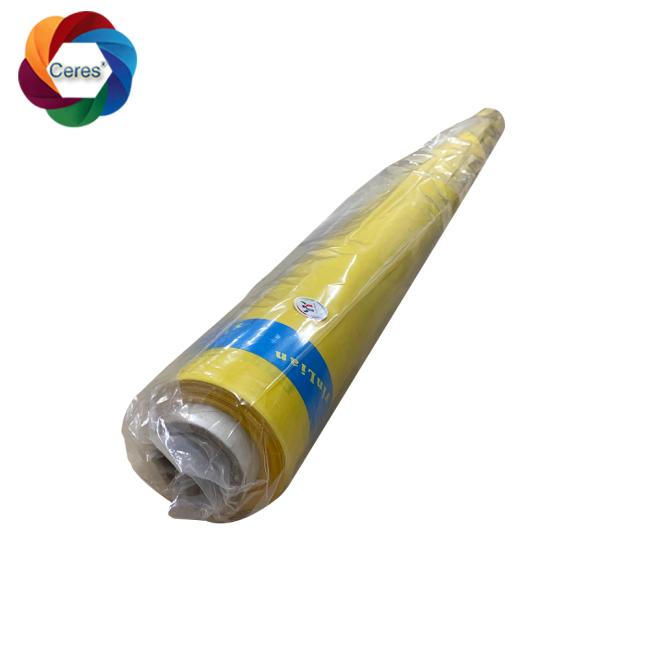
Yellow Min 20N Polyester Mesh Cloth 50m Length Printing Bolting Silk Screen Cloth
Yellow Silk Screen Printing Bolting Polyester Mesh Cloth 300 Mesh
Bolting cloth is primarily used in sifting and screen printing applications; the typically finer (smaller) diameters yield a relatively light material with higher open area percentage than standard specifications.
Feature:
Good tension, neat weaving, even holes, high solvent resistant, longevity
Yellow screen printing fabric mesh count: 230Mesh/90T
Material: 100% polyester monofilament yellow screen fabric
Screen mesh specification: 165CM*300CM/65“*3yards
Silk cloth fabric mesh tension: Min 20N
| polyester silk screen printing mesh fabric | |
| Weave type | plain |
| Brand |
Ceres
|
| Material | 100% polyester, stainless steel wire |
| Color |
Yellow
|
| Monofilament Style | Yes |
|
Size
|
1.65 m width × 50 m length
|
|
Weave type
|
Plain weave (monofilament)
|
| Width | 0.6-3.65m |
|
Mesh tension
|
Min 20N
|
| Mesh Count | 18-420 mesh/inch |
| Thread Diameter | 27-350 micron |
| Mesh Opening | 25-1068 micron |
| Thickness | 46-693 micron |
| Printing | polyester screen printing, silk screen printing |
| Type | mesh fabric |
| Elasticity | low |
|
Package
|
1 roll / package
|
|
MOQ
|
1 roll
|
|
Delivery
|
1 roll / day (current listing)
|
|
Key features
|
High tension, neat weaving, even holes, high solvent resistance, long service life
|
2.Mesh Count – Thread Diameter – Aperture Reference Table
The listing ships in 300 mesh (120-34). The table below gives the full 18–420 mesh/inch technical range for this polyester monofilament family,
so buyers can select the right mesh for their print job.
|
Spec |
Mesh (inch) |
Thread Dia. (µm) |
Aperture (µm) |
Opening % |
Thickness (µm) |
Ink Vol. (cm³/m²) |
Tensile (N/cm) |
|---|---|---|---|---|---|---|---|
|
10-200 |
25 |
200 |
816 |
65 |
440 |
276 |
42 |
|
10-250 |
25 |
250 |
740 |
53 |
465 |
246 |
60 |
|
12-200 |
30 |
200 |
522 |
47 |
485 |
228 |
62 |
|
16-200 |
40 |
200 |
435 |
47 |
420 |
189 |
48 |
|
20-140 |
50 |
140 |
340 |
46 |
280 |
129 |
52 |
|
20-180 |
50 |
180 |
320 |
41 |
350 |
152 |
56 |
|
24-100 |
60 |
100 |
316 |
58 |
190 |
109 |
48 |
|
24-120 |
60 |
120 |
300 |
51 |
210 |
105 |
42 |
|
32-100 |
80 |
100 |
200 |
43 |
160 |
69 |
42 |
|
36-100 |
90 |
100 |
178 |
41 |
175 |
72 |
42 |
|
39-55 |
100 |
55 |
201 |
62 |
100 |
62 |
30 |
|
39-80 |
100 |
80 |
172 |
46 |
142 |
65 |
42 |
|
43-80 |
110 |
80 |
150 |
41 |
130 |
55 |
35 |
|
48-70 |
120 |
70 |
135 |
41 |
115 |
46 |
32 |
|
53-55 |
135 |
55 |
134 |
50 |
105 |
53 |
34 |
|
54-64 |
137 |
64 |
115 |
39 |
102 |
40 |
30 |
|
59-55 |
150 |
55 |
100 |
40 |
93 |
39 |
32 |
|
64-55 |
160 |
55 |
101 |
42 |
105 |
44 |
30 |
|
64-64 |
160 |
64 |
90 |
32 |
106 |
34 |
35 |
|
72-48 |
180 |
48 |
94 |
46 |
80 |
37 |
32 |
|
72-55 |
180 |
55 |
75 |
29 |
92 |
27 |
32 |
|
77-55 |
195 |
55 |
70 |
25 |
88 |
24 |
29 |
|
80-48 |
200 |
48 |
78 |
30 |
84 |
24 |
29 |
|
80-55 |
200 |
55 |
70 |
25 |
88 |
24 |
29 |
|
90-48 |
230 |
48 |
55 |
25 |
78 |
20 |
33 |
|
100-40 |
250 |
40 |
58 |
32 |
65 |
21 |
29 |
|
110-40 |
280 |
40 |
48 |
27 |
65 |
17 |
30 |
|
120-34 |
300 |
34 |
45 |
30 |
55 |
16 |
30 |
|
120-40 |
300 |
40 |
40 |
20 |
55 |
16 |
29 |
|
140-31 |
350 |
31 |
35 |
26 |
48 |
13 |
27 |
|
140-34 |
350 |
34 |
30 |
20 |
55 |
10 |
30 |
|
150-31 |
380 |
31 |
32 |
23 |
47 |
10 |
28 |
|
150-34 |
380 |
34 |
30 |
20 |
69 |
10 |
30 |
|
165-31 |
420 |
31 |
25 |
17 |
49 |
8 |
28 |
Source: Polyester monofilament screen-printing mesh technical data (Eastar Filtration). The highlighted row 120-34 is the 300-mesh spec supplied in this listing.
3.Recommended Ink Types by Mesh Count
Mesh count controls ink deposit and dot resolution. Lower mesh deposits more ink for bold prints; higher mesh (this 300-mesh product) gives fine detail and sharp halftones.
|
Mesh (inch) |
Approx. T |
Recommended Ink Types |
Best For |
|---|---|---|---|
|
25–60 |
10–24T |
Thick solvent inks, metallic / glitter, high-build pastes |
Bold block prints, board / signage, texture effects |
|
80–110 |
32–43T |
Standard solvent inks, plastisol underbase and block color |
Garment base layers, opaque logos |
|
120–160 |
48–64T |
Plastisol detail, solvent inks for plastic and vinyl |
Vinyl / PVC signage, mid-size graphics |
|
180–230 |
72–90T |
Fine plastisol, water-based inks, UV inks |
Detail colors, halftones, shirts |
|
250–300 |
100–120T |
UV inks, fine water-based inks, high-resolution solvent inks |
High-detail halftones, thin lines, glass / PET / vinyl fine printing (this product) |
|
350–420 |
140–165T |
Ultra-fine UV and solvent inks |
Micro-detail, electronics, high line-count halftones |
Note: General ink-mesh pairing guidance from screen-printing industry references; always verify ink viscosity and curing with your ink supplier for the substrate.
4.FAQ
|
Question
|
Answer
|
|---|---|
|
What is the minimum order quantity?
|
1 roll (per listing).
|
|
What is the delivery / lead time?
|
Shipped via FedEx or DHL courier. Current supply ability is listed as 1 roll/day; confirm lead time for larger orders with the seller.
|
|
Can width, mesh count, or roll length be customized?
|
This polyester family is available from 0.6–3.65 m width and 18–420 mesh/inch with 30 / 50 / 100 m rolls (industry standard range). Confirm available custom options and MOQ with the seller for this listing.
|
|
Which shipping methods are used?
|
FedEx / DHL courier (per listing).
|
|
How is payment arranged?
|
Price and payment terms are negotiable (per listing); confirm terms before order.
|
|
What is the difference between yellow and white mesh?
|
Both are polyester monofilament; yellow mesh is widely used in general screen printing and helps with registration / visual contrast on many presses (industry practice — verify with your workflow).
|
|
Which mesh count should I choose?
|
Use low mesh (25–110) for bold, high ink-build prints; mid mesh (120–230) for general detail; 300+ mesh for fine halftones and thin-line work. See Section 3.
|

Get in Touch
Have questions about our products or want to discuss a custom order? Our team is ready to help you.