
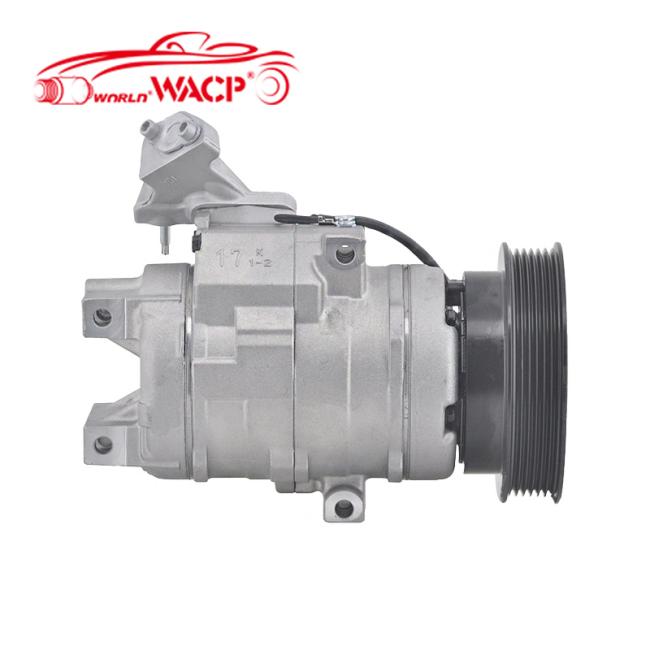
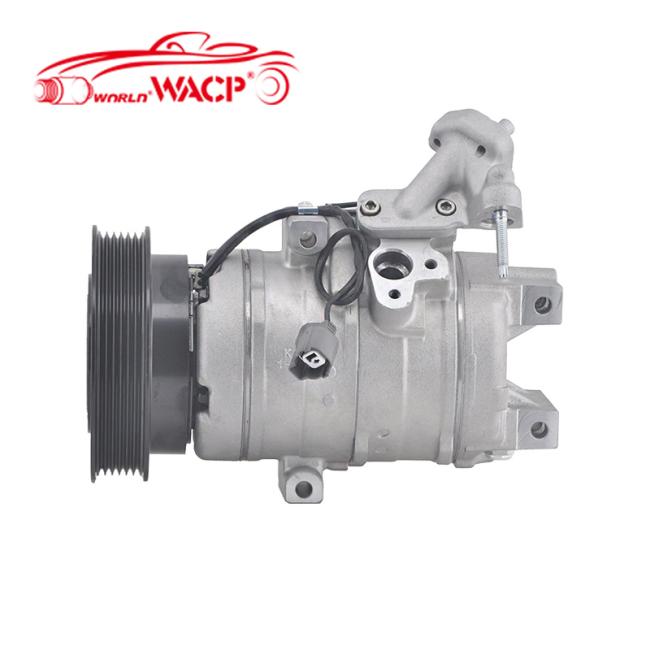
12V Car AC Compressor 10S17C 6PK OEM 5081018616 For Honda Accord Acura CL TL 3.0 3.2 WXHD051
Car AC Compressor 5081018616 For Honda Accord For Acura CL For TL 3.0 For 3.2 WXHD051
Parameter :
| Model Number |
WXHD051 |
| Car Model |
For Honda Accord/Acura CL/TL 3.0/3.2 |
| Type |
10S17C 6PK |
| Year Model |
1999-2002 |
| OE No. |
5081018616/4472009943/4472009947 |
| Voltage |
12V |
Product Description:
- Rapid Refrigeration: Thanks to its powerful and robust compressor, the cooling function operates quickly and steadily. It also excels in dissipating heat.
- Stable & Strong Pressure: The air-conditioning compressor is driven by a powerful motor, generating high pressure that is compressed and transmitted to achieve effective cooling.
- Energy Saving & Noise Reduction: The air conditioning compression system helps save fuel consumption, reducing overall fuel costs. Noise and vibration reduction greatly enhance the driving experience.
- Well Tested & Easy To Install: Comprehensive functional testing is conducted prior to delivery. The presence of sufficient frozen oil facilitates easy replacement. No welding, adjustments, or modifications are required.
4 steps to diagnose a car air conditioning compressor problem:
Step 1: Start the engine and turn on the A/C to the highest setting. This will activate the air conditioning compressor, which will draw refrigerant from the evaporator at low pressure, compress it, and send it to the condenser at high temperature and pressure.
Step 2: Listen for any unusual noises. Inspect the clamps, fixing points, hoses, and lines for breaks, cracks, missing nuts or bolts, and vibrations transmitted from the engine to the cabin. Check the belt, clamping device, tensioner pulleys, and clutch for wear, as they can cause unusual noises. If no obvious issues are found, consult a qualified technician to further diagnose the problem.
Step 3: Check for cool air coming from the air vents. Make sure the cooling fans operate when the air conditioner is on. Clean or replace the cabin air filter if necessary. Remove any debris, such as leaves, bugs, or dirt, that could obstruct airflow through the condenser.
Step 4: Inspect for visible leaks under the car. Look for any signs of refrigerant leakage, such as oily stains or puddles. If a leak is detected, it is recommended to seek professional assistance to properly diagnose and repair the issue.


Get in Touch
Have questions about our products or want to discuss a custom order? Our team is ready to help you.