
BS 6323-2 HFW2 hot finished Seamless Steel Tubes For Automobile

ASTM A787 Aluminized Precision Steel Tubes for Automotive Applications
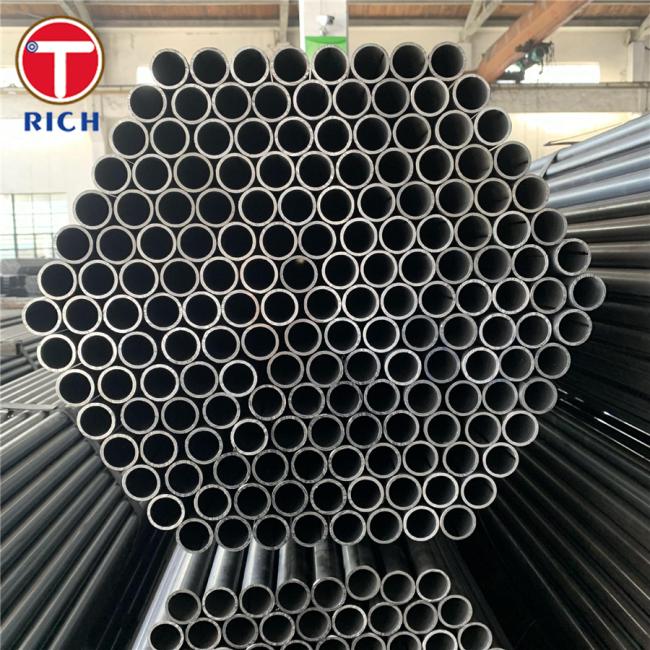
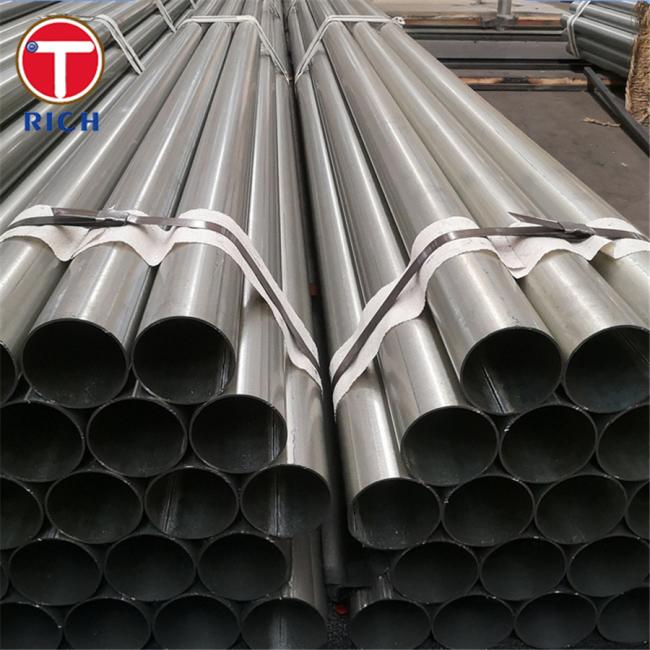
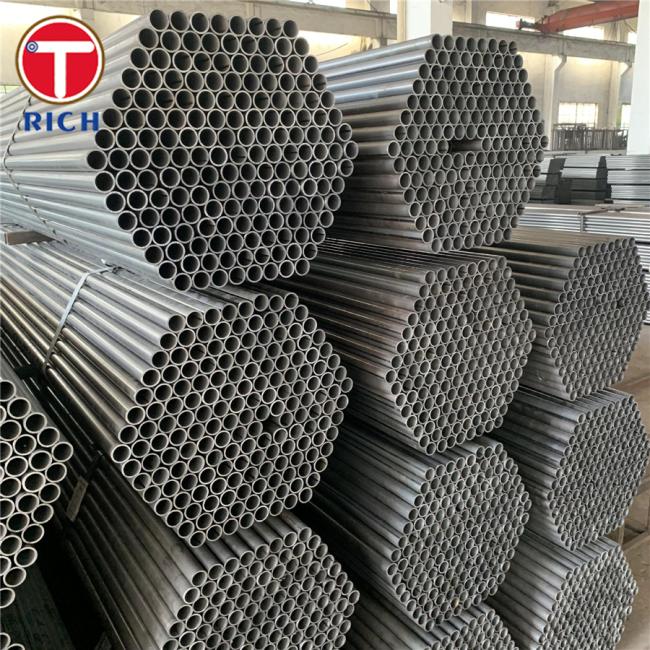
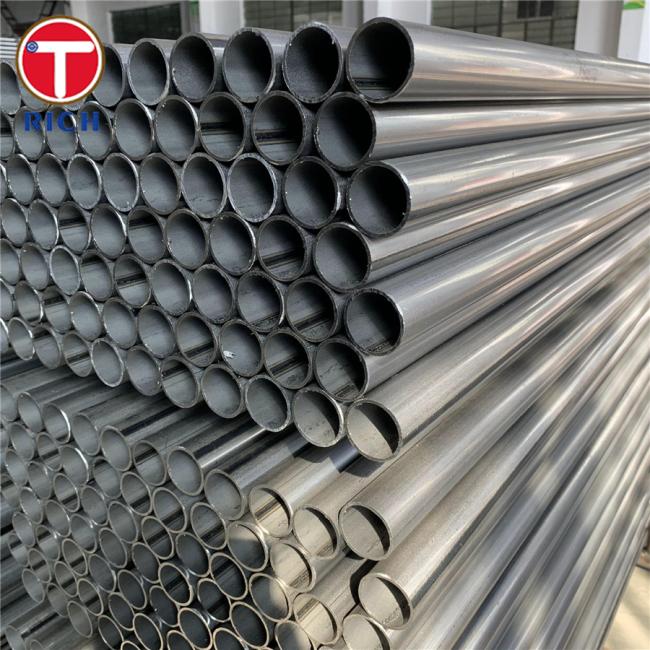
ASTM A787 aluminized steel tube is an electric-resistance-welded carbon steel mechanical tube manufactured from aluminum-coated steel strip. It combines the dimensional consistency and formability of low-carbon steel tubing with an aluminum-based protective surface, making it particularly suitable for automotive components exposed to elevated temperature, condensate, road contaminants, and repeated thermal cycling.
For automotive exhaust systems, Al-Si coated steel is commonly selected because the aluminum-rich surface provides oxidation and corrosion protection while the silicon-containing coating promotes coating adhesion during subsequent forming and thermal exposure.
For technical purchasing, the tube specification should define not only ASTM A787, but also the steel chemistry, aluminum-coating type and coating mass, outside diameter, wall thickness, weld-seam treatment, dimensional tolerances, surface condition, and required fabrication tests.
Specifications
| Item | Specification |
|---|---|
| Product | Aluminized ERW Precision Steel Tube |
| Main Standard | ASTM A787/A787M |
| Material | Carbon Steel with Aluminum-Coated Surface |
| Manufacturing Process | Electric Resistance Welding (ERW) |
| Typical Grades | 1008, 1010, 1015, 1018, 1021 |
| Aluminum Coating | ASTM A463/A463M Type 1 Al-Si or Type 2 Aluminum coating, as specified |
| Outside Diameter | 12.7–380.0 mm within the standard dimensional scope |
| Wall Thickness | 0.70–4.60 mm within the standard dimensional scope |
| Length | 1–12 m, custom cut lengths available |
| Cross Section | Round; other mechanical-tube shapes subject to order requirements |
| OD Tolerance | According to ASTM A787/A787M dimensional tables and ordered size |
| Wall Thickness Tolerance | According to ASTM A787/A787M and ordered wall condition |
| Length Tolerance | Defined according to ordered mill length or cut length |
| Straightness | Controlled according to purchasing specification; tighter automotive tolerances available by agreement |
| Surface | Aluminized, metallic bright/matte appearance depending on coating and finishing condition |
| Weld Seam | ERW longitudinal seam; weld-zone coating repair/recoating can be specified |
| Heat Treatment | Normally supplied as-welded unless a specific thermal condition is ordered |
| Further Processing | Cutting, bending, end forming, expansion, reduction, punching and fabrication available |
Main Characteristics
1. Controlled Metallic Coating
The aluminum coating is applied to the steel strip before tube forming. For automotive thermal applications, ASTM A463 Type 1 Al-Si coated material is normally the more relevant configuration.
Typical commercial Type 1 coating designations include:
-
T1-13
-
T1-25
-
T1-40
The required coating designation should be specified on the purchase order rather than using the general term “aluminized steel.”
2. Precision ERW Tube Geometry
ASTM A787 covers mechanical tubing with outside dimensions from 12.7 mm to 380.0 mm and wall thicknesses from approximately 0.70 mm to 4.60 mm within its normal scope.
For automotive forming operations, OD, wall thickness, ovality, straightness and weld-bead condition should be controlled according to the final bending, expanding or end-forming operation.
3. Al-Si Surface for Thermal Service
ASTM A463 Type 1 coating typically contains approximately 5–11% silicon in the aluminum coating system. The silicon modifies the intermetallic layer between the aluminum coating and steel substrate and improves coating adhesion.
This configuration is widely selected when both oxidation resistance and fabrication performance are required.
4. Good Formability of Low-Carbon Substrate
Grades such as 1008, 1010 and 1015 provide relatively low carbon contents, supporting:
-
Tube bending
-
End expansion
-
Swaging
-
Beading
-
Flanging
-
Welding
-
Bracket attachment
For parts requiring more strength, higher-carbon grades such as 1018 or 1021 can be evaluated according to the forming severity.
5. Coating and Tube Requirements Must Be Separated
ASTM A787 establishes requirements for the finished metallic-coated mechanical tube, while the aluminum-coated steel substrate is normally specified according to the applicable coated-sheet specification.
A technically complete order should therefore identify both the tube specification and the required coating condition.
Our Technical Advantages
1. Weld-Seam Coating Control
Buyer concern:
The parent strip may have a uniform aluminum coating, but ERW welding locally disrupts the coating around the longitudinal weld.
For an automotive exhaust component, leaving this area insufficiently protected can create a localized corrosion path even when the remaining tube surface is properly aluminized.
Our control approach:
-
Weld seam position is continuously monitored during production.
-
Weld bead condition is controlled before downstream forming.
-
Recoating or weld-zone protection can be specified for the seam area.
-
Visual inspection is performed for coating discontinuity, peeling and exposed substrate.
-
Weld seam condition can be included in the agreed inspection plan.
The coating condition of the weld zone should therefore be treated separately from the coating condition of the parent strip.
2. Coating Type and Coating Mass Are Specified, Not Assumed
Buyer concern:
“Aluminized tube” alone does not define coating chemistry or coating mass.
Two tubes described as aluminized may therefore perform differently under high-temperature oxidation, condensation and forming.
Our control approach:
The purchase specification can identify:
-
ASTM A463/A463M coating type
-
Type 1 Al-Si or Type 2 aluminum coating
-
Required coating designation
-
Coating mass
-
Surface condition
-
Oiled or dry condition
-
Coating adhesion requirement
Incoming coated strip documentation is checked against the ordered coating specification before tube production.
3. Dimensional Control for Automotive Bending and Assembly
Buyer concern:
A tube can satisfy basic nominal OD and wall thickness requirements but still create problems during robotic bending or exhaust-system assembly if ovality, wall variation or weld position is unstable.
Possible consequences include:
-
Excessive ovalization at bends
-
Wrinkling
-
Poor mandrel support
-
Unstable end expansion
-
Clamp leakage
-
Misalignment during automated assembly
Our control approach:
For automotive tube orders, inspection can include:
-
Outside diameter
-
Wall thickness
-
Ovality
-
Straightness
-
Length
-
Weld-seam position
-
End condition
-
Bend performance
-
Expansion performance
Tighter project-specific dimensional limits can be agreed where the downstream bending process requires greater consistency than the basic ASTM tolerance.
Execution Standards
| Standard System | Relevant Standard | Scope |
|---|---|---|
| ASTM | ASTM A787/A787M | ERW metallic-coated carbon steel mechanical tubing |
| ASTM | ASTM A463/A463M | Hot-dip aluminum-coated steel sheet used as aluminized tube feedstock |
| EN | EN 10305-3 | Welded cold-sized precision steel tubes |
| EN | EN 10305-5 | Welded cold-sized square and rectangular precision steel tubes |
| JIS | JIS G3445 | Carbon steel tubes for machine structural purposes |
| GB | GB/T 6728 | Cold-formed hollow structural steel sections |
| GOST | GOST 10704 | Electrically welded longitudinal steel tubes |
Application
Automotive Exhaust Muffler Connecting Tube
A specific application for ASTM A787 aluminized tubing is the connecting tube between an automotive exhaust muffler and adjacent exhaust-system components.
This component is exposed to:
-
Hot exhaust gas
-
Repeated heating and cooling cycles
-
Condensate generated during cold starts
-
External road moisture
-
Road salt and debris
-
Mechanical vibration
-
Tube bending and end-forming operations during manufacturing
Al-Si aluminized carbon steel provides a practical combination of substrate formability, thermal oxidation resistance and external corrosion protection for this component.
For exhaust applications, tube OD, wall thickness, bend radius, coating designation, seam protection and end-expansion requirements should be established from the final exhaust assembly drawing rather than selected only from nominal tube dimensions.
Chemical Composition
| ASTM A787 Grade | C % | Mn % | P % Max. | S % Max. |
|---|---|---|---|---|
| 1008 | 0.10 max. | 0.50 max. | 0.035 | 0.035 |
| 1010 | 0.08–0.13 | 0.30–0.60 | 0.035 | 0.035 |
| 1015 | 0.12–0.18 | 0.30–0.60 | 0.035 | 0.035 |
| 1018 | 0.14–0.21 | 0.60–0.90 | 0.035 | 0.035 |
| 1021 | 0.17–0.24 | 0.60–0.90 | 0.035 | 0.035 |
Grade Selection
1008
Best suited to severe forming where low carbon content and high ductility are preferred.
1010
A balanced low-carbon grade suitable for bending, welding and common automotive mechanical components.
1015
Provides moderately higher strength while retaining useful forming capability.
1018
Higher manganese and carbon content provide increased strength compared with 1008/1010, but forming requirements should be evaluated more carefully.
1021
Used where higher substrate strength is required and forming severity is comparatively moderate.
Mechanical Properties
| Grade | Tensile Strength, MPa | Yield Strength, MPa | Elongation in 50 mm | Typical Interpretation |
|---|---|---|---|---|
| 1008 | approx. 340 | approx. 285 | approx. 20% | Maximum forming capability |
| 1010 | approx. 365 | approx. 305 | approx. 20% | Formability/strength balance |
| 1015 | approx. 385 | approx. 325 | approx. 18% | Moderate strength |
| 1018 | approx. 440 | approx. 370 | approx. 15% | Higher mechanical strength |
| 1021 | approx. 470 | approx. 395 | approx. 15% | Higher-strength low-carbon option |
Recommended Purchase Specification
For an automotive ASTM A787 aluminized tube, a technically complete RFQ should include:
Standard: ASTM A787/A787M
Product: ERW aluminized carbon steel mechanical tube
Grade: 1008 / 1010 / 1015 / 1018 / 1021
Coating: ASTM A463/A463M Type 1 Al-Si or specified alternative
Coating designation: Defined by purchaser
OD: According to component drawing
Wall thickness: According to component drawing
Length: Fixed or random length
OD tolerance: Specified
Wall tolerance: Specified
Ovality: Specified where bending is critical
Straightness: Specified
Weld seam treatment: Recoated/protected if required
Surface: Dry or oiled
Fabrication: Bending/end forming/cutting as required
Inspection: Dimensional, coating, weld seam and forming tests as agreed
Documentation: Material and inspection documentation according to purchase specification



Q: Are you trading company or manufacturer ?
A: manufacturer,also can do trading.
Q: How long is your delivery time?
A: Generally speaking,it is 10-15 days if the goods are in stock,or it is 30-40 days if the goods are not in stock, it is according to quantity.
Q: Do you provide samples? is it free or extra ?
A: Yes, we could offer the sample for free charge but need pay the cost of freight.
Q: What is your terms of payment ?
A: Payment<=2000USD, 100% in advance. Payment>=2000USD, 30% T/T in advance ,balance before shippment.
If you have another question, pls feel free to contact with me.
Get in Touch
Have questions about our products or want to discuss a custom order? Our team is ready to help you.