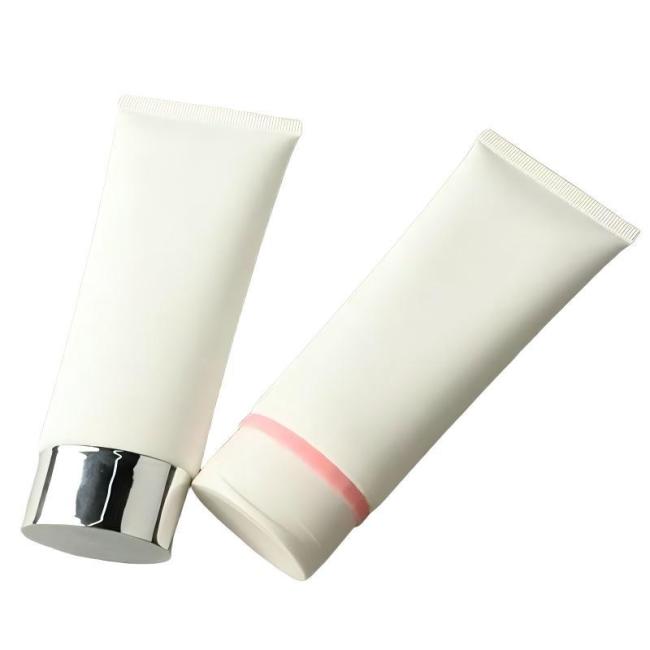
soft polyethylene plastic cosmetic hand cream tube roll tube plastic tube
Common Types of Plastic Tubes
Plastic tubes are categorized by the type of plastic resin used, which determines their properties.
| Plastic Type | Abbreviation | Key Characteristics | Common Uses |
|---|---|---|---|
| Polyethylene | PE (LDPE, HDPE) | • Soft and highly squeezable (especially LDPE). • Good moisture barrier. • Chemically resistant. • Can be opaque, translucent, or clear. |
Most common type. Lotions, creams, hair gels, ointments, hand creams. |
| Polypropylene | PP | • More rigid than PE, has a "snap-back" quality. • Excellent chemical resistance. • Higher heat resistance. • Can be made clear. |
Toothpaste, thick pastes, pharmaceutical ointments, products requiring clarity and rigidity. |
| Co-extruded Tubes | Multi-layer | • Combines layers of different plastics (e.g., PE/PP/PE). • Allows for custom properties: a white inner layer for opacity, a clear outer layer for product visibility, enhanced barriers. |
Premium cosmetics, products needing specific barrier protection. |
Key Components
-
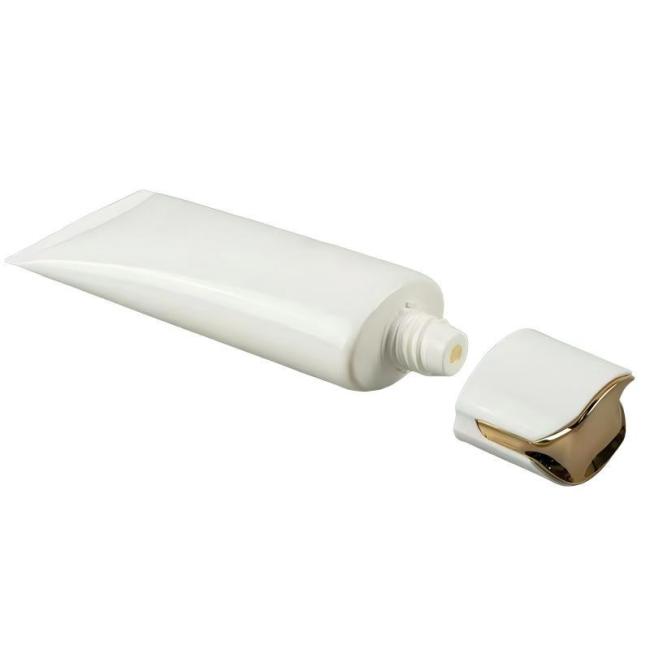
Tube Body: The main reservoir, made of flexible plastic.
-
Shoulder: The conical section connecting the body to the neck.
-
Neck: The opening where the product is dispensed. Comes in various sizes (e.g., 13mm, 19mm, 22mm) to control flow.
-
Cap/Closure: Screws onto the neck. Types include:
-
Flip-Top Cap: Very user-friendly for one-handed use (e.g., in the shower).
-
Screw Cap: Simple and secure.
-
Nozzle Tip Cap: For precise application (e.g., eye cream, glue).
-
-
Bottom Seal: The tube is filled from the bottom and then heat-sealed and crimped, creating an airtight seal.
-
Tamper-Evident Seal: A plastic band or membrane that breaks when the cap is first twisted open, proving the product is new.

Get in Touch
Have questions about our products or want to discuss a custom order? Our team is ready to help you.