
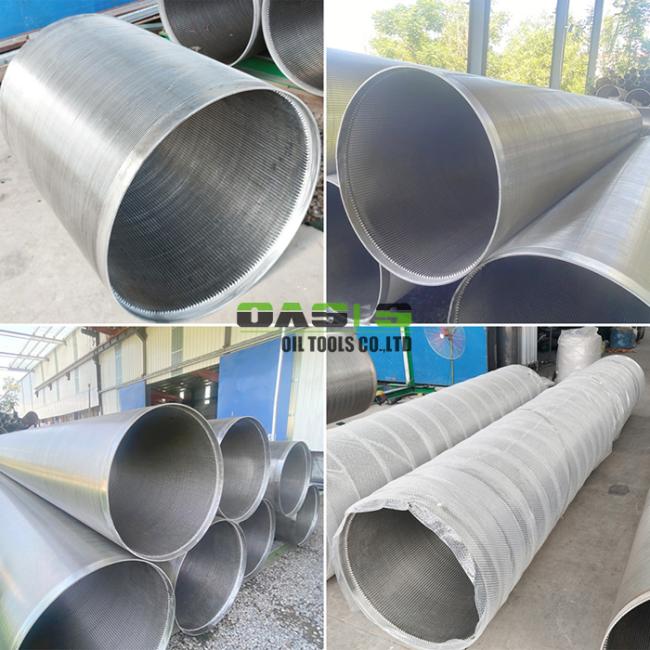
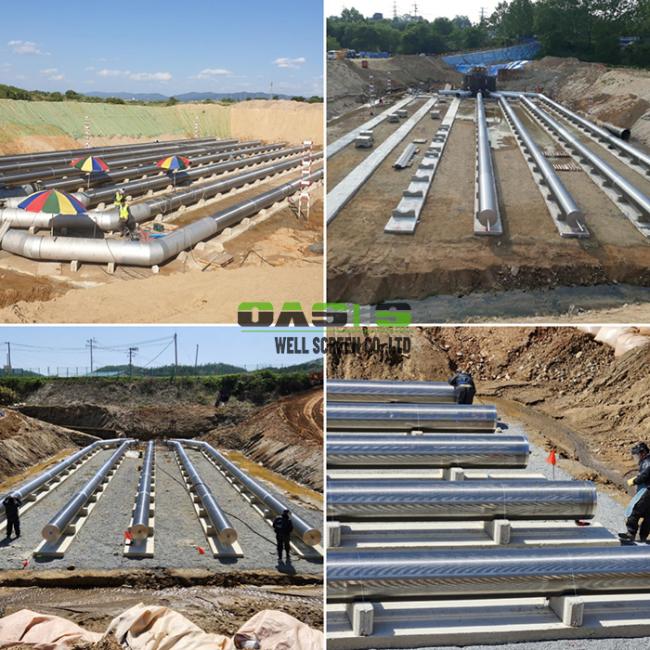
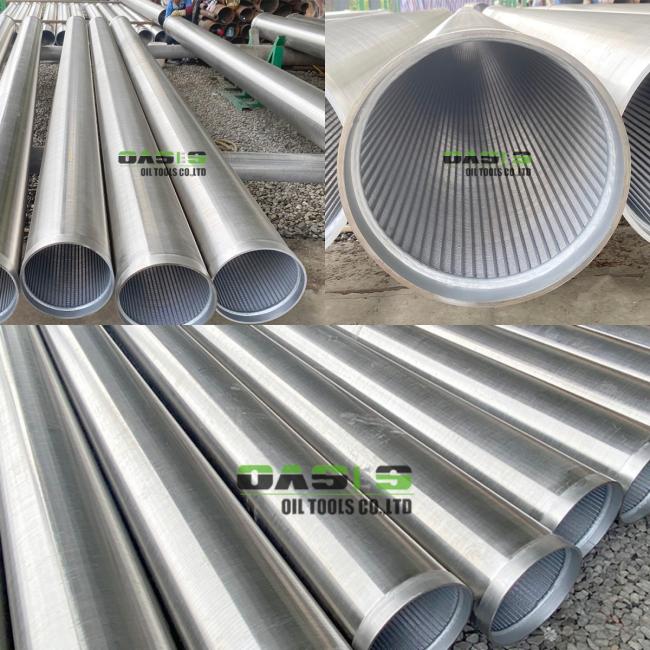
Cost Passive Intake Screens with simple design reducing civil works and equipment expenses while ensuring water delivery
FAQ
1. What is the difference between passive intake screens and conventional water intakes?
Passive intake screens operate without moving parts, drawing water at a very low and uniform velocity. Unlike conventional water intakes, they significantly reduce fish impingement and debris entrapment, making them ideal for environmentally sensitive projects, including municipal water treatment and irrigation systems.
2. Can your 800 mm passive intake screens be used for both seawater and freshwater applications?
Yes. Our intake screens are available in various stainless steel alloys (e.g., 304, 316L, duplex), providing excellent corrosion resistance for seawater, brackish water, and freshwater. They are widely used in power plants, desalination plants, municipal water treatment facilities, and agricultural irrigation systems.
3. How do I determine the required screen length for my project?
The length of our 800 mm diameter water intakes is fully customizable based on your site conditions, such as water depth, flow rate, and debris loading. Our engineering team can help you calculate the optimal length to achieve low slot velocity and uniform flow, ensuring reliable performance for irrigation systems or municipal water treatment plants.
4. What maintenance is required for passive intake screens?
Because our intake screens have no moving parts and are made of bio-fouling resistant stainless steel, maintenance is minimal. Occasional inspections and cleaning (if debris accumulates) are sufficient. This low-maintenance design reduces operational costs for long-term applications, including remote irrigation systems and continuous municipal water treatment operations.
5. Are passive intake screens environmentally friendly?
Absolutely. Our water intakes are designed with very low slot velocity (typically <0.5 ft/s), which prevents fish and aquatic organisms from being drawn against the screen surface. They meet stringent environmental regulations and are the preferred choice for eco-friendly projects, from municipal water treatment to agricultural irrigation systems
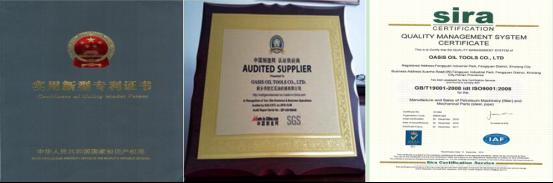
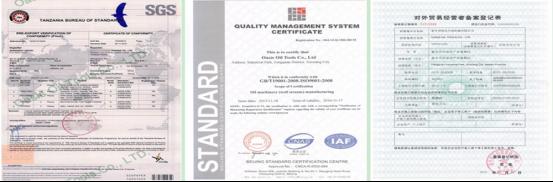
Certificate
Related Products
Get in Touch
Have questions about our products or want to discuss a custom order? Our team is ready to help you.