What’s the setback in your thermostat?
Ever wonder what happens when you turn your thermostat on or off? You hear clicking sounds, but you may not actually know what is happening. A simple answer would be that the thermostat switch sends a control signal to the system in charge of maintaining a desired room temperature. But how?
Within heating, ventilation and air conditioning (HVAC) systems are devices that regulate heating and cooling systems according to the thermostat’s input control signal. Electromechanical relays typically provide the control signal to the HVAC system following the input set by the user.
Within heating, ventilation and air conditioning (HVAC) systems are devices that regulate heating and cooling systems according to the thermostat’s input control signal. Electromechanical relays typically provide the control signal to the HVAC system following the input set by the user.
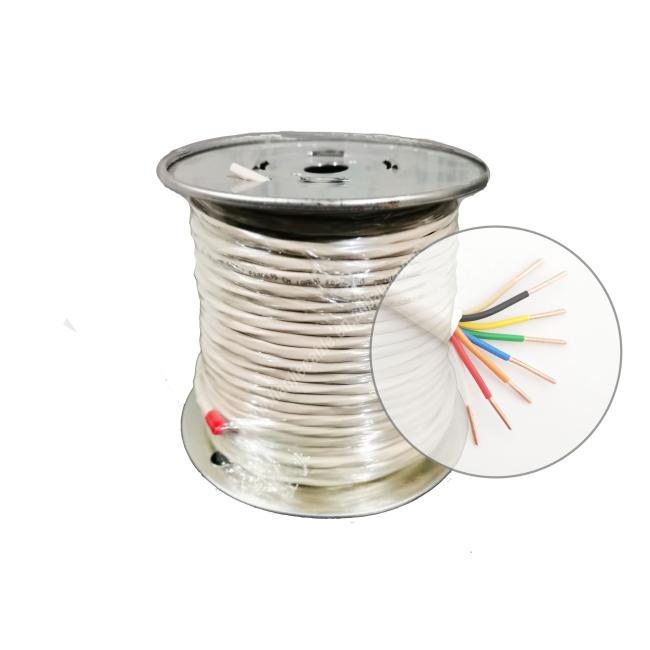
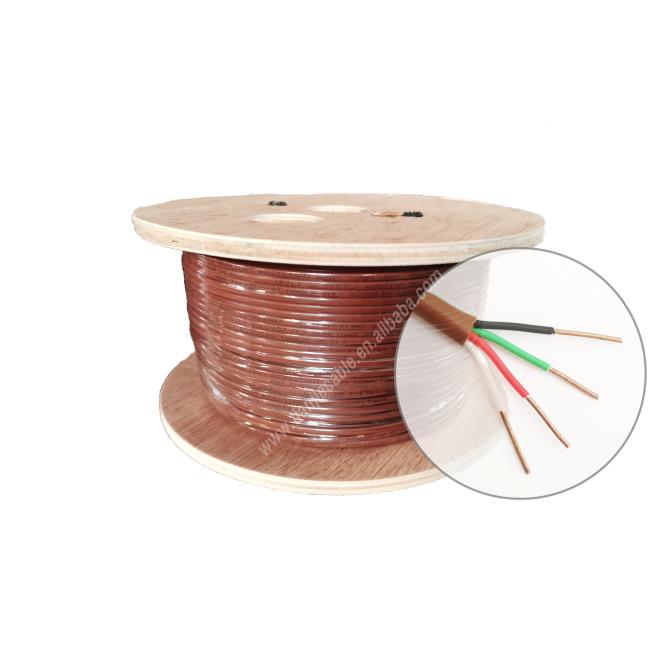
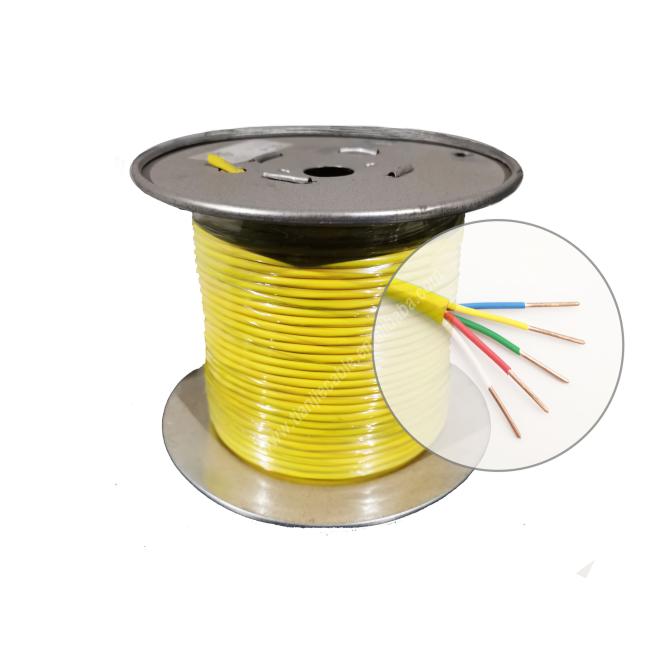
A basic thermostat for heating and cooling uses four or five wires to control the HVAC system.
The white (W), green (G) and yellow (Y) wires connect to the heating, air flow and cooling systems, respectively. The red cooling and heating (Rc and Rh) wires are connected to create a four-wire system when both cooling and heating systems are combined and connected to a single 24V alternating current (AC) transformer.