
0.18mm/0.16mm/0.35mm Food Grade ETP & TFS with Enhanced Alkali & Rust Resistance
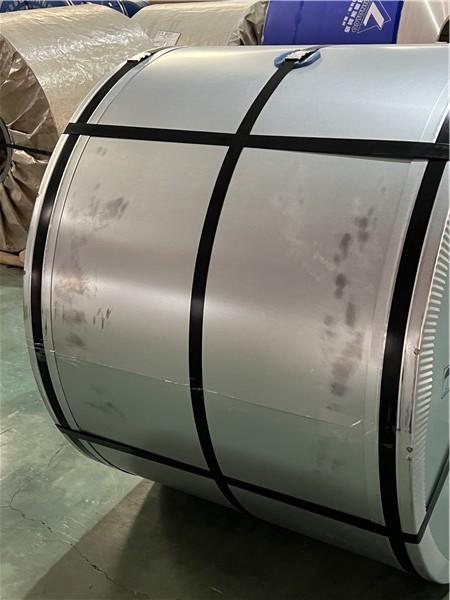
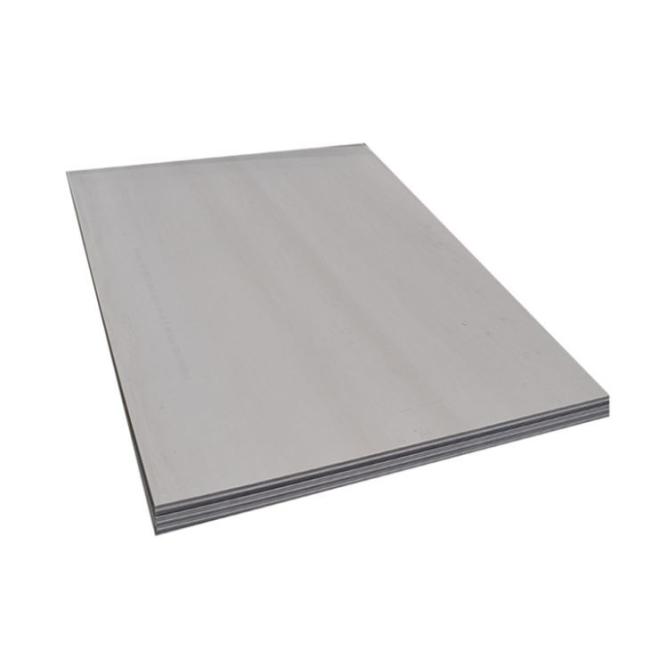
This specialized line of Electrolytic Tin Plate (ETP) and Tin-Free Steel (TFS) is engineered for the critical role of manufacturing food can ends, lids, and bottom caps where exposure to corrosive contents is a constant challenge. The product is formulated to provide superior, dual-layer protection: first, against external environmental rust, and second, against internal chemical attack from alkaline or acidic food products like tomato paste, certain vegetables, sauces, and fruits. Available in precise, industry-standard thicknesses (0.16mm, 0.18mm, 0.35mm), this material delivers the optimal balance of structural strength for secure double-seaming and economic material usage. It serves as the reliable foundation for ensuring long-term food safety, flavor preservation, and container integrity throughout the supply chain and shelf life.
- Dual-Action Corrosion Defense: Specifically engineered to resist both atmospheric rust and internal corrosion from aggressive food contents, significantly reducing the risk of package failure.
- Precision-Gauge Consistency: Produced in tightly controlled thin gauges (0.15-0.46mm) to optimize material yield and cost-efficiency while maintaining the mechanical integrity required for can sealing.
- Tailored Internal Coatings: Designed to be paired with specialized internal lacquers (e.g., 202, 300, 401, 603 codes) that provide product-specific barriers against sulfide staining and chemical migration.
- Excellent Forming Capability: Offered in a comprehensive range of tempers (T1-T5, DR7-DR9) to facilitate complex stamping and deep-drawing processes for end manufacturing without material fracture.
- Superior Surface for Decoration: Available in various finishes (Matte, Stone, Bright) to ensure excellent adhesion for external protective varnishes and high-quality lithographic printing for branding.
Implementing this chemically resistant tinplate directly enhances production reliability and end-product safety. It minimizes spoilage and recall risks by providing a robust barrier between the food and the metal. The material's lightweight nature reduces shipping costs, and its 100% recyclability supports corporate sustainability objectives. Furthermore, the ability to customize specifications—from temper and coating weight to internal lacquer type—allows for a perfectly tailored solution for any food product, from acidic fruits to alkaline prepared foods.
| Parameter | Specification |
|---|---|
| Material Type | Electrolytic Tin Plate (ETP) / Tin-Free Steel (TFS) |
| Base Steel Grade | MR, SPCC |
| Key Thickness | 0.16mm, 0.18mm, 0.35mm (Range: 0.15-0.46mm) |
| Tin Coating Mass (ETP) | 1.1/1.1, 2.0/2.0, 2.8/2.8, 5.6/5.6 g/m² |
| Temper Range | T1, T2, T3, T4, T5, DR7, DR8, DR9 |
| Hardness Range | TS230-TS290, TH415-TH620 |
| Surface Finish | Bright, Stone, Matte, Silver, Rough Stone |
| Primary Application | Food Can Ends, Lids, Bottom Caps |
-
Q1: What makes this tinplate "alkali-resistant" for food cans?
A1: The resistance is achieved through a combination of the base tin or chromium coating and the application of specifically formulated, food-approved internal lacquers (like epoxy-phenolic coatings). These lacquers are tested to create an inert barrier that withstands the chemical activity of alkaline products. -
Q2: Can I order this material with a specific internal coating already applied?
A2: Yes. We can supply the tinplate pre-coated with standard internal lacquers such as 202 (for chili sauce), 300/401 (for tomatoes/fruits), or 603. Specifying your food product allows us to recommend the optimal coating system. -
Q3: What is the main difference in using ETP vs. TFS for can ends?
A3: ETP provides excellent overall corrosion resistance and is easily solderable. TFS offers superior adhesion for internal organic coatings and exceptional resistance to sulfide staining (preventing darkening with certain foods), often at a lower material cost. The choice depends on your sealing technology and food content. -
Q4: What quality documentation is provided?
A4: We supply a detailed Mill Test Certificate with every batch, confirming the chemical composition, mechanical properties (temper, hardness), coating mass, and dimensional compliance. This is your assurance of material quality and traceability. -
Q5: What information is needed to process an inquiry or order?
A5: Please provide: material type (ETP/TFS), thickness, temper, coating weight, dimensions (width, coil ID or sheet size), surface finish, quantity, and the specific food application to determine the best internal coating recommendation.


202 Chrome plate(Chilli sauce) 202 tin plating (tomato) 300 tin plating( tomato)

300 fruit tin plating( fruit) 401 tin plating( tomato) 401 tin plating( fruits)

603 tin plating( tomato) 603 tin plating( fruit)


Get in Touch
Have questions about our products or want to discuss a custom order? Our team is ready to help you.