
8E-5736 8E5736 RING-SEAL EXTENSION CONSTRUCTION MACHINERY SPARE PARTS SEAL 12H 12M 150
1. Quick Details of seal 8E-5736:
| Part NO. | 8E-5736 |
| Machine | Grader |
| Size | OEM |
| Material | Nitrile Rubber |
| Oil seal type | RING-SEAL EXTENSION |
2. 8E-5736 picture:
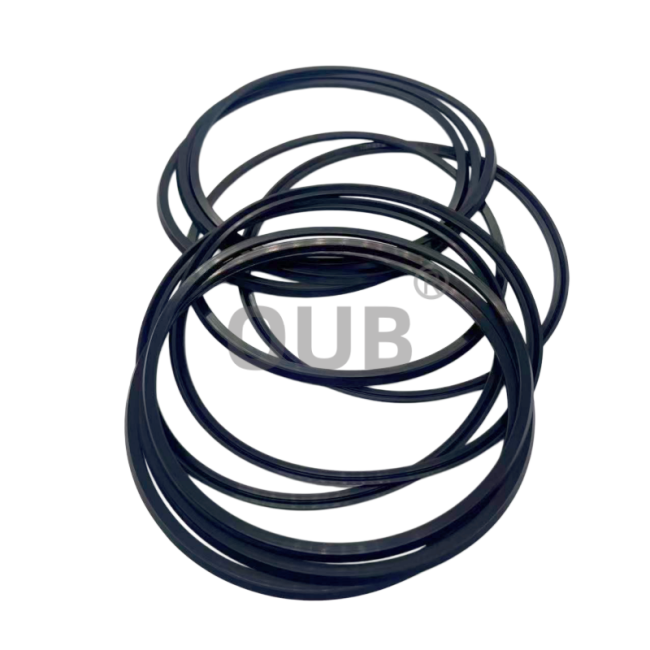
3. Service part number :
| PART NO. | PART NO. | Part NO. |
| 6J6915 | 2385080 | 6F4855 |
| 8J6070 | 2454907 | 8F6230 |
| 1672191 | 4F7387 | 2J0157 |
| 1K6981 | 4S5898 | 3J7354 |
| 1K6982 | 5D5957 | 5J1086 |
| 4J8979 | 5P4892 | 6L1650 |
| 4J8980 | 5P5846 | 7M8485 |
| 6J4169 | 5P6302 | 2035958 |
| 1J3540 | 5P7530 | 4D6695 |
| 4J3515 | 6J2680 | 8E5742 |
| 4J8981 | 5P8872 | 5F8000 |
| 1672235 | 6V1454 | 7F8268 |
| 1672299 | 6V3907 | 7G4822 |
4. FAQ
Q: What is this heavy-duty piston seal used for?
A: This is a specialized high-pressure piston seal designed for large hydraulic cylinders in construction machinery. It is installed in the piston groove to create a robust dynamic barrier, preventing hydraulic fluid from bypassing the piston and ensuring the cylinder delivers full force and reliable load-holding performance.
Q: What material is this seal made of?
A: It is typically constructed from high-performance, wear-resistant polyurethane (PU) with advanced additives, or a rubber-PTFE composite blend. These formulations are engineered to meet strict OEM standards for durability and fluid compatibility in extreme working conditions.
Q: Why is this specific material chosen for this seal?
A: The polyurethane variant offers exceptional resistance to abrasion, high pressure, and extrusion, making it ideal for the harsh, dirty environments of construction equipment. It maintains its precise sealing geometry even under repeated movement and pressure spikes. The composite version combines the elasticity of rubber with the low-friction properties of PTFE, reducing heat buildup and extending service life in high-cycle applications.
Q: What is the correct installation procedure for this seal?
A: Start by thoroughly cleaning the piston, seal groove, and cylinder bore to remove all dirt, old fluid, or debris. Inspect the groove for burrs or sharp edges that could damage the seal. Lubricate the seal and groove with the manufacturer’s recommended hydraulic fluid. Carefully expand the seal just enough to fit it into the piston groove, ensuring it is not twisted or overstretched. When inserting the piston into the cylinder, use a tapered installation sleeve to compress the seal evenly and guide it smoothly into the bore without damage.
5. Exhibition and Wearhous


Oil seals,Hydraulic Seals, Cylinders Seal Kits, And More
Get in Touch
Have questions about our products or want to discuss a custom order? Our team is ready to help you.