
Womala Rear Lower Control Arm for Land Rover RANGE ROVER SPORT
Womala Rear Lower Control Arm for Land Rover RANGE ROVER SPORT
Core Functions
- Rear Wheel Movement Control: The primary function is to restrict the rear wheel’s movement to the intended range, preventing excessive lateral shift or vertical instability—ensuring predictable rear-end handling, reduced tire scrub, and minimized uneven tire wear.
- Load Support and Vibration Damping: Bears the rear suspension’s vertical loads (e.g., vehicle weight, road impacts) without deformation, while the integrated bushings dampen vibrations from rough surfaces, enhancing ride comfort for occupants.
- Rear Alignment Maintenance: Works with other rear suspension components (e.g., rear upper control arms, sway bars) to maintain proper rear wheel camber and toe angles, which is critical for straight-line stability and safe cornering.
Compatible Vehicles
| Item | Details |
|---|---|
| Product OE Number | LR078478/LR078479/LR034218/LR113304/LR045243/LR084097 |
| Land Rover Model | FREELANDER 2 (L359) RANGE ROVER EVOQUE (L538) DISCOVERY III (L319) DISCOVERY SPORT (L550) DISCOVERY IV (L319) |
Notes: Rear Lower Control Arms are model-specific and often side-specific (left/right rear may differ)—even within the same Land Rover model series (e.g., DISCOVERY IV), variants with different rear suspension setups (e.g., standard vs. air suspension) require distinct arm designs. Confirm the exact part specifications via your vehicle’s VIN (Vehicle Identification Number) or Land Rover’s official parts catalog to avoid fitment errors (e.g., rear misalignment, abnormal noise, reduced stability). During installation, follow the vehicle’s service manual for torque specifications on mounting bolts and inspect companion components (e.g., bushings, mounting brackets) for wear—replace these together if damaged to ensure optimal performance. Regularly check for signs of failure (e.g., clunking noises from the rear, uneven rear tire wear, rear-end sway during cornering) and replace the control arm at Land Rover’s recommended intervals (typically 80,000–120,000 km) or immediately if cracks, bushing degradation, or excessive play is detected.

A: Signs of a failing bumper bracket include visible damage or deformation, misaligned bumper panels, unusual noises from the front end, or if the bumper appears loose or sagging on one side.
A: For optimal results, we recommend professional installation. Key considerations include ensuring proper alignment of all mounting points, checking for additional damaged components, and verifying all fasteners are properly torqued to specification.
- Extensive Industry Experience: 13 years specializing in Auto Parts auto parts with precise product matching and technical solutions.
- Quality Assurance: 10-stage quality inspection process including durability testing, surface roughness analysis, and dimensional verification.
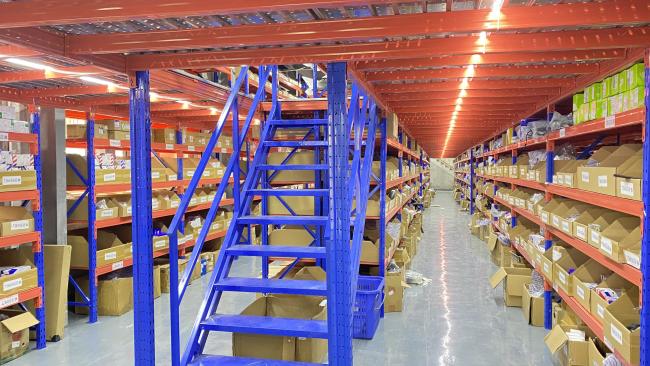
- Manufacturing Excellence: 15,000㎡ production base with 10,000+ SKUs in inventory for fast order fulfillment.
- Strategic Partnerships: Collaborations with 50+ factories including suppliers to international brands like Womala and Hella.

Get in Touch
Have questions about our products or want to discuss a custom order? Our team is ready to help you.