
Motor Casting Flange Precision Cast Parts Servo Motor FC30 QT600
Product Name: Casting Sleeve parts
Product Description:
Product size: can be customized according to customer requirements and drawings
The material is FC30
This part is the spindle of the machine tool,
We finish by casting, then roughing,
Finishing after heat treatment
According to customer requirements, drawings, non-standard customized size,The smallest product diameter can reach 12mm
This part is widely used in industrial coupling parts, elevator accessories
Process:Investment casting + surface treatment + rough machining + finish machining + milling + 100% inspection + rust prevention
The surface is anodized, the color can be made according to your needs,
Standard Certification TS16949
Sizes range from 5-3000, customer drawings, according to your requirements
Quality control ISO9001, PPAP, IPQC, 100% pre-shipment inspection,
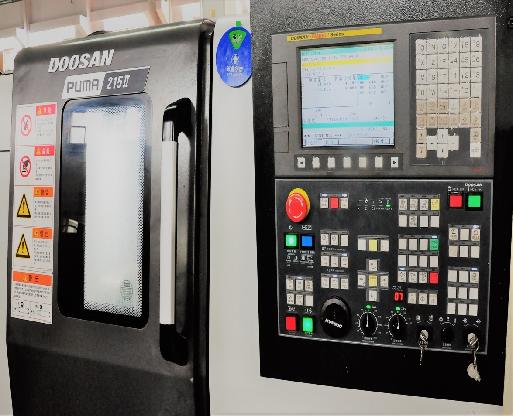
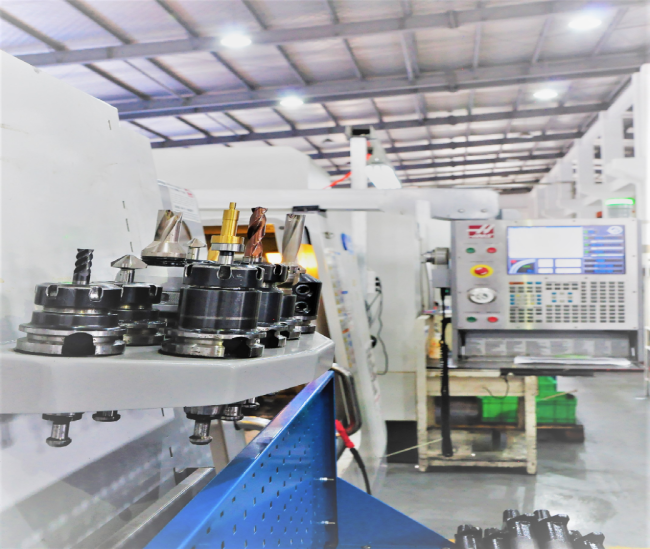
Processing equipment: milling center, lathe
Tolerance range +/-0.005
Various mechanical parts of industrial type.
casting
Casting is a process in which metal is smelted into a liquid that meets certain requirements and poured into a mold. After cooling, solidification, and cleaning, a casting with a predetermined shape, size and performance is obtained. The casting blank is almost formed, and the purpose of free machining or a small amount of machining reduces the cost and reduces the time to a certain extent. Casting is one of the basic processes of the modern manufacturing industry. There are many process methods for making metal materials into desired products, such as casting, forging, extrusion, rolling, drawing, stamping, cutting, powder metallurgy and so on. Among them, casting is the most basic and most commonly used process.
There are many types of casting, which are customarily divided into:
①Ordinary sand casting, including wet sand, dry sand and chemically hardened sand.
②Special casting can be divided into special casting with natural mineral sand and gravel as the main molding material according to the molding material (such as investment casting, mud casting, casting workshop shell casting, negative pressure casting, solid casting, ceramic casting etc.) and special casting with metal as the main casting material (such as metal mold casting, pressure casting, continuous casting, low pressure casting, centrifugal casting, etc.).
Casting can be divided into:
Ferrous metal casting (including cast iron, cast steel) and non-ferrous metal casting (including aluminum alloy, copper alloy, zinc alloy, magnesium alloy, etc.)
Casting can be divided into:
Sand casting and metal casting.
According to the casting process of molten metal, it can be divided into:
1. Gravity casting: refers to the process of injecting molten metal into the mold under the action of the earth's gravity, also known as casting. Gravity casting in a broad sense includes sand casting, metal casting, investment casting, lost foam casting, mud casting, etc.; gravity casting in a narrow sense refers to metal casting.
2. Die casting refers to the process of injecting molten metal into the mold under the action of other external forces (excluding gravity). According to the size of the pressure, it is divided into high pressure casting (die casting) and low pressure casting.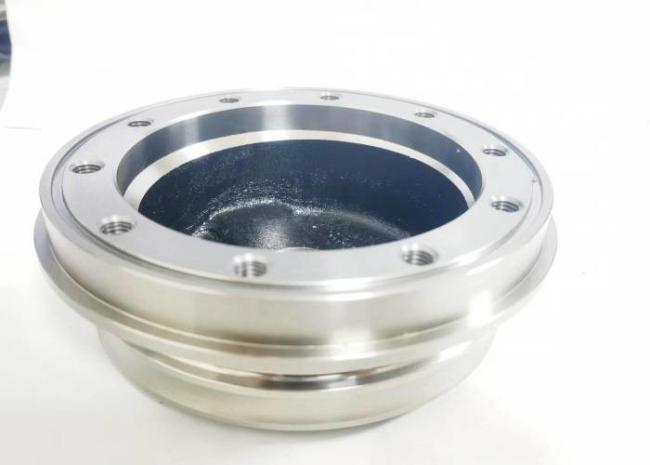
Get in Touch
Have questions about our products or want to discuss a custom order? Our team is ready to help you.