
Plated Anodizing CNC Turning Milling Parts Stainless Steel Fabrication
When you need CNC-turned or milled parts that last, surface treatments like plating and anodizing make all the difference. Whether it's for corrosion resistance, better aesthetics, or improved durability, these finishing processes take stainless steel fabrication to the next level.
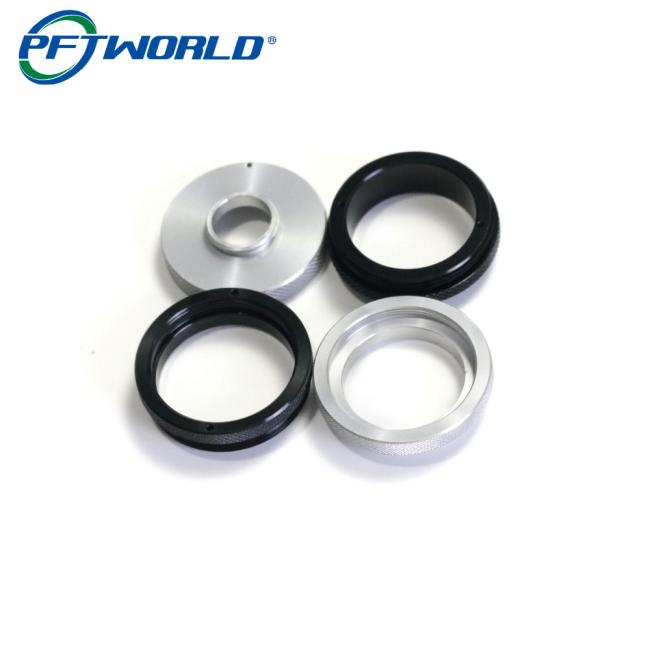
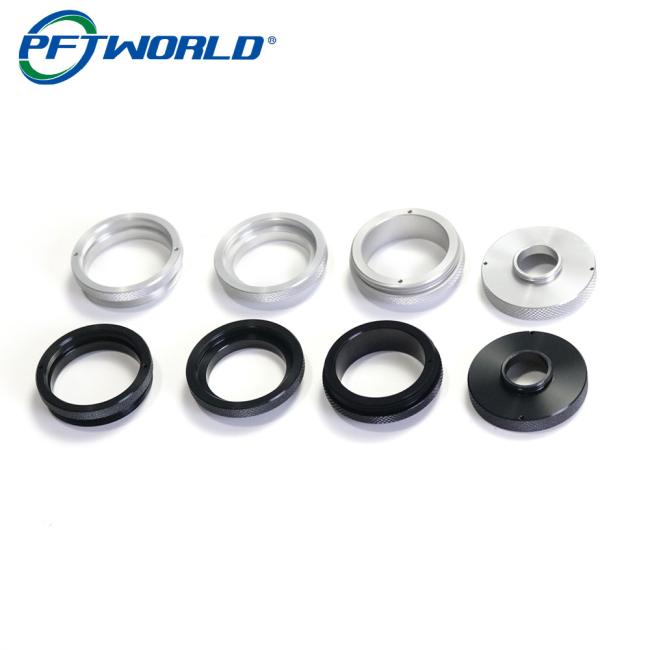
Why Plate or Anodize CNC-Machined Parts?
1. Corrosion Resistance
Stainless steel is already tough, but nickel plating or hard-coat anodizing adds extra protection against rust and chemicals.
2. Wear & Scratch Resistance
Anodizing forms a hard oxide layer, while electroless nickel plating improves surface hardness.
3. Improved Aesthetics
Want a sleek black, gold, or colored finish? Anodizing offers custom colors, while plating can give a polished chrome look.
4. Better Electrical Conductivity
Some plated coatings (like silver or gold) enhance conductivity for electronics.
Plating vs. Anodizing: What’s the Difference?
| Feature | Plating | Anodizing |
|---|---|---|
| Process | Electrochemical metal deposition (e.g., nickel, chrome, zinc) | Electrochemical oxidation (for aluminum, titanium) |
| Best For | Stainless steel, brass, copper | Aluminum, titanium (not for bare steel) |
| Thickness | 0.005mm – 0.05mm | 0.01mm – 0.1mm (hard anodizing) |
| Appearance | Metallic shine (chrome, gold, etc.) | Matte or colored finishes |
| Durability | Good wear resistance | Extremely hard surface |
Popular Plating Options for Stainless Steel CNC Parts
1. Electroless Nickel Plating (ENP)
✔ Uniform coating (even on complex geometries)
✔ High corrosion & wear resistance
✔ Common in aerospace and medical devices
2. Chrome Plating
✔ Super shiny, decorative finish
✔ Good for wear resistance (but not as tough as ENP)
3. Gold or Silver Plating
✔ Used in electronics for conductivity
✔ Premium look for luxury goods
Anodizing for Aluminum CNC Parts
Since anodizing doesn’t work on steel, it’s perfect for aluminum-machined components.
Types of Anodizing:
- Type II (Standard Anodizing) – Decorative, corrosion-resistant, comes in colors.
- Type III (Hardcoat Anodizing) – Thicker, ultra-durable for industrial use.
Key Considerations Before Plating or Anodizing
1. Dimensional Changes
- Plating adds thickness (usually 5–50 microns), so account for it in tolerances.
- Anodizing grows the surface layer but can be compensated for in machining.
2. Post-Treatment Machining
- Need threaded holes? Plate after machining to avoid coating interference.
3. Cost & Lead Time
- Plating is generally cheaper than hard anodizing.
- Colored anodizing takes longer due to dyeing steps.
Final Thoughts
Plating and anodizing aren’t just about looks—they extend the life and performance of CNC-machined parts. Whether you’re building medical implants, automotive sensors, or high-end consumer products, the right finish ensures durability and functionality.



FAQ
1. Are you a manufacturer or a trading company?
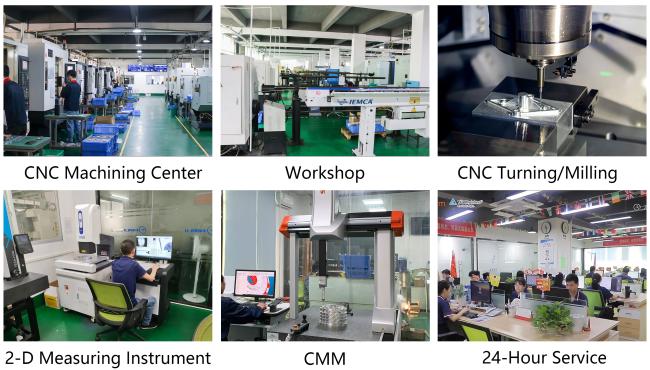
covering 6000 square meters. Complete facilities, including 3D quality inspection equipment, ERP system and 40 machines. If necessary, we can provide you with material certificates, sample quality inspection and other reports.
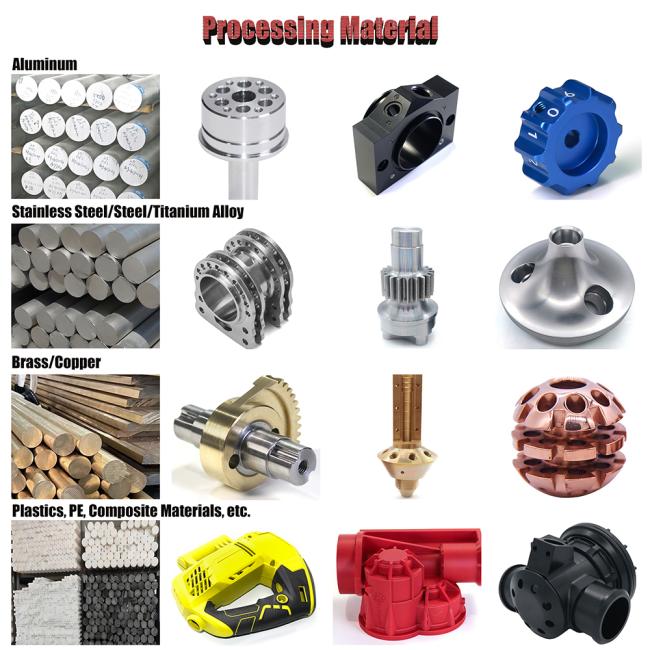
Detailed drawings (PDF/STEP/IGS/DWG...), including quality, delivery date, materials, quality, quantity, surface treatment and other information.
Get in Touch
Have questions about our products or want to discuss a custom order? Our team is ready to help you.