
Customized Tolerance and Surface Treatment CNC Machined Aluminum Parts for Superior and Performance
What Are CNC Machined Aluminum Parts?
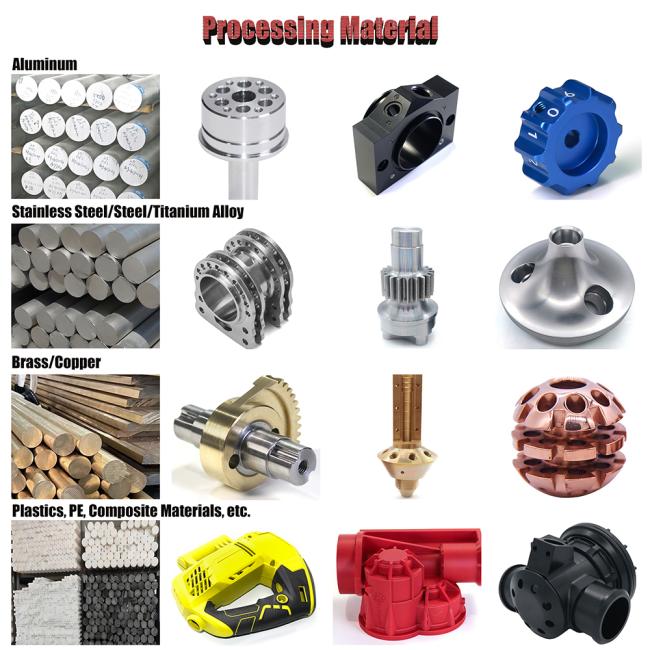
CNC (Computer Numerical Control) machining is a precision manufacturing process that uses computer-controlled tools to shape and cut materials into highly detailed parts. CNC machined aluminum parts are created using this process, resulting in components that are tailored to meet specific design requirements.
Aluminum is a popular material choice due to its unique combination of benefits, including:
- Lightweight: Aluminum is much lighter than steel, making it ideal for industries like aerospace and automotive, where weight reduction is key to performance.
- Corrosion Resistance: Aluminum forms a natural oxide layer that protects it from rust and corrosion, making it suitable for applications in marine environments, medical devices, and more.
- Strength-to-Weight Ratio: Aluminum offers high strength while maintaining low weight, ensuring both durability and performance in demanding applications.
- Versatility: Aluminum can be easily shaped, machined, and fabricated into a variety of forms, making it a highly adaptable material for custom parts.
While aluminum is inherently a great material, achieving superior performance from CNC machined aluminum parts depends largely on the precision of machining and the appropriate surface treatments applied during production.
The Importance of Customized Tolerance in CNC Machining
Customized tolerance refers to the allowable variation from a specified measurement. In CNC machining, achieving precise tolerances is crucial to ensure that the manufactured parts fit seamlessly into their intended applications and function optimally. Tolerances are typically specified in micrometers or thousandths of an inch and can vary depending on the part's function and the complexity of its design.
Here’s why customized tolerance matters for CNC machined aluminum parts:
- Precision and Fit: Parts that are machined with tight tolerances ensure that they fit together properly, minimizing issues like misalignment or poor assembly. This is especially important in industries like aerospace or automotive, where the performance of parts relies on perfect fit and functionality.
- Improved Performance: Customized tolerances allow for greater accuracy, ensuring that parts meet their exact specifications. This level of precision helps components function at their best, particularly in high-performance environments.
- Cost Efficiency: While tighter tolerances might seem more expensive initially, they can reduce the need for rework or costly repairs in the future. Parts that fit properly and perform well are more reliable and require less maintenance over time.
- Quality Control: With customized tolerance settings, manufacturers can monitor and adjust for small variations, ensuring the overall quality and consistency of each part in the production process.
By utilizing CNC technology to achieve highly customized tolerance for aluminum parts, manufacturers can meet the exact needs of their clients and industries, resulting in superior performance and minimal defects.


FAQ
1. Are you a manufacturer or a trading company?
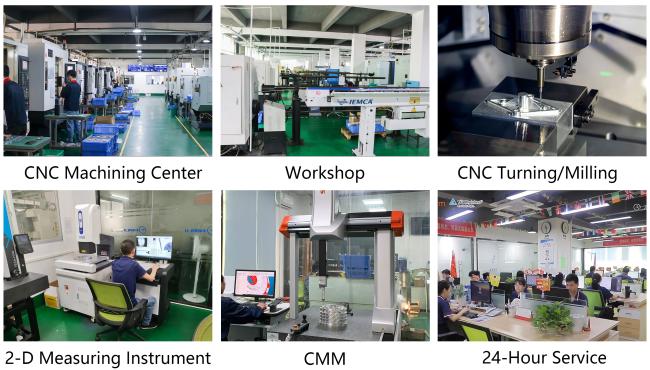
covering 6000 square meters. Complete facilities, including 3D quality inspection equipment, ERP system and 40 machines. If necessary, we can provide you with material certificates, sample quality inspection and other reports.
Detailed drawings (PDF/STEP/IGS/DWG...), including quality, delivery date, materials, quality, quantity, surface treatment and other information.
Get in Touch
Have questions about our products or want to discuss a custom order? Our team is ready to help you.