
High Precision CNC Machined Aluminum Parts for Mechanical Equipment
As industries continue to demand more advanced solutions, CNC (Computer Numerical Control) machining technology has become essential for producing custom, precision parts that meet the complex specifications of mechanical equipment. Aluminum, with its lightweight, corrosion-resistant, and durable properties, is an ideal material choice for creating components that can withstand demanding mechanical environments. This article explores the benefits of high precision CNC machined aluminum parts for mechanical equipment, highlighting their superior performance and why they are the preferred choice for manufacturers.
Why Choose CNC Machining for Aluminum Parts?
CNC machining refers to the use of computer-controlled machines to perform precise cutting, drilling, milling, and turning on various materials, including aluminum. With CNC technology, manufacturers can produce parts with incredible accuracy and consistency, ensuring that each component is crafted to meet exact specifications.
Here’s why CNC machining is ideal for creating aluminum parts for mechanical equipment:
- Unmatched Precision: CNC machines are capable of producing parts with tight tolerances—often down to a few microns—ensuring that each part fits perfectly into complex mechanical assemblies.
- Complex Geometries: CNC machining can handle highly intricate designs and geometries, producing aluminum parts that would be difficult or impossible to achieve through traditional manufacturing methods.
- Consistency and Repeatability: Once the CNC machine is programmed, it can reproduce the same high-quality parts repeatedly, making it ideal for both low and high-volume production runs.
- Material Efficiency: CNC machining minimizes waste, ensuring that valuable aluminum material is used effectively, reducing material costs.
The Advantages of Using Aluminum for High Precision Machined Parts
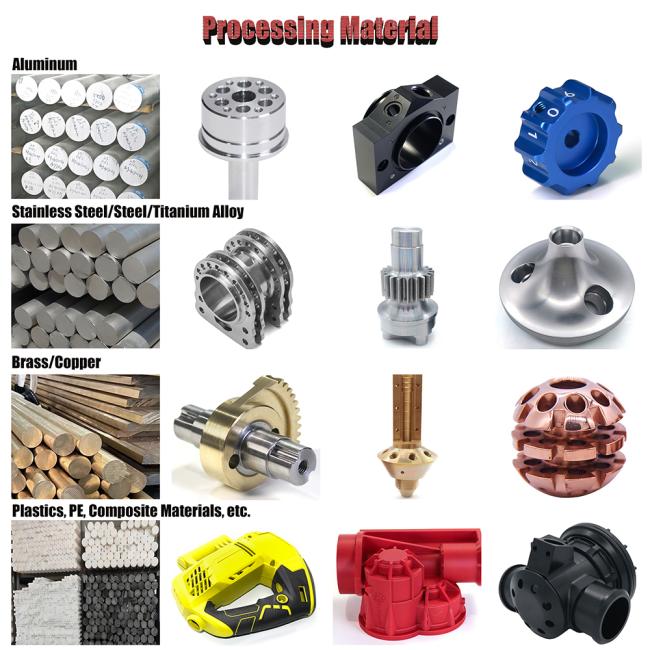
Aluminum is a widely used material for precision CNC machining due to its unique combination of properties, which make it perfect for mechanical equipment components. Some of the key advantages of aluminum include:
- Lightweight: Aluminum is significantly lighter than steel and other metals, making it ideal for applications where weight reduction is important without sacrificing strength. In mechanical equipment, this can lead to improved efficiency and performance.
- Corrosion Resistance: Aluminum naturally forms a protective oxide layer that helps it resist corrosion, even in harsh environments such as marine, industrial, and automotive settings. This makes it perfect for parts exposed to moisture, chemicals, and extreme temperatures.
- High Strength-to-Weight Ratio: Aluminum’s strength-to-weight ratio is superior, offering excellent durability and resistance to wear, making it ideal for high-performance mechanical applications.
- Thermal Conductivity: Aluminum has excellent thermal conductivity, which is crucial for parts used in equipment that generates heat. It helps in managing temperature efficiently, reducing the risk of overheating in mechanical systems.
- Cost-Effective: Aluminum is relatively inexpensive compared to other metals like titanium or stainless steel, making it a more cost-effective choice for high-precision manufacturing.


FAQ
1. Are you a manufacturer or a trading company?
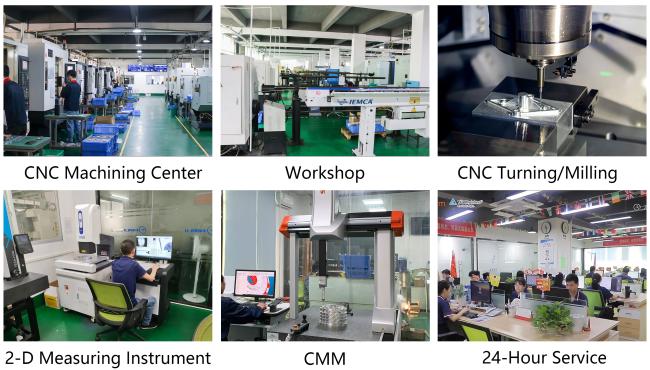
covering 6000 square meters. Complete facilities, including 3D quality inspection equipment, ERP system and 40 machines. If necessary, we can provide you with material certificates, sample quality inspection and other reports.
Detailed drawings (PDF/STEP/IGS/DWG...), including quality, delivery date, materials, quality, quantity, surface treatment and other information.
Get in Touch
Have questions about our products or want to discuss a custom order? Our team is ready to help you.