
Manufacturer polishing micro machining CNC brass parts turning milling
Brass is one of those magical materials—easy to machine, corrosion-resistant, and with a gorgeous golden finish when polished. But when you need micro-scale brass parts with a flawless surface, standard CNC machining isn’t enough. That’s where precision turning, milling, and polishing come together to create tiny, high-performance components.


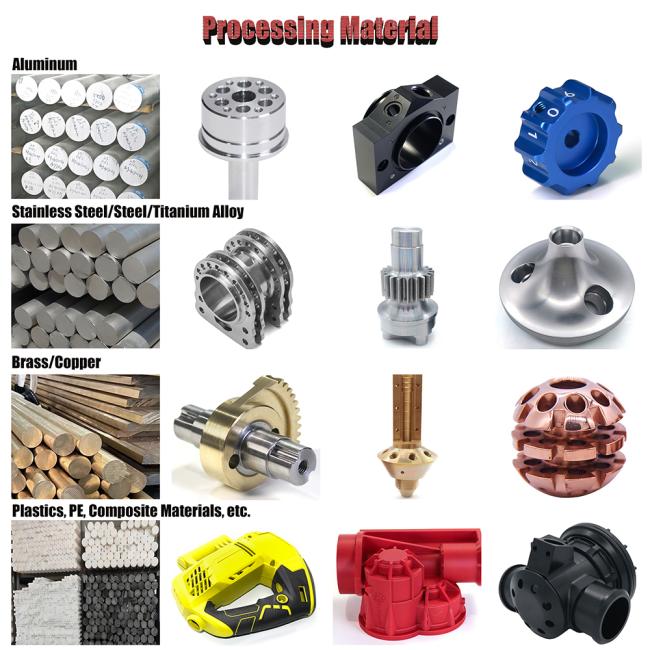
Why Brass? The All-Star Material for Micro Parts
Before we talk machining, let’s appreciate why brass is so popular for precision components:
✔ Machinability – Softer than steel, so it cuts smoothly without excessive tool wear.
✔ Conductivity – Great for electrical connectors and RF shielding.
✔ Corrosion Resistance – Naturally tarnish-resistant (unless exposed to harsh chemicals).
✔ Aesthetic Appeal – Polished brass looks premium—think watch gears, musical instruments, and high-end fittings.
Common Brass Alloys Used in CNC Machining:
- C360 (Free-Cutting Brass) – The go-to for smooth machining.
- C260 (Cartridge Brass) – More ductile, good for forming.
- CZ121 (Lead-Free Brass) – Used in medical and drinking water applications.
How Micro Brass Parts Are Made: CNC Turning & Milling
1. CNC Turning for Cylindrical Parts
- Best for: Screws, pins, connectors, nozzles
- Capabilities: Down to 0.5mm diameter with tight tolerances (±0.01mm).
- Key Challenge: Preventing deformation—brass is soft, so clamping must be gentle.
2. CNC Milling for Complex Shapes
- Best for: Gears, housings, custom brackets
- Capabilities: Micro-milling down to 0.2mm features.
- Key Challenge: Avoiding burrs—brass tends to leave fine edges that need deburring.
The Secret to a Mirror Finish: Precision Polishing
A machined brass part isn’t ready until it’s polished. Here’s how manufacturers achieve that smooth, reflective surface:
1. Mechanical Polishing
- Abrasive belts, brushes, or buffing wheels progressively smooth the surface.
- Best for: Larger parts or where a satin/semi-gloss finish is acceptable.
2. Electroplating (Optional)
- Adds a protective or decorative layer (gold, nickel, chrome).
- Common in jewelry, electronics, and marine components.
3. Ultrasonic Polishing (For Micro Parts)
- Uses high-frequency vibrations in a slurry medium to remove microscopic imperfections.
- Perfect for tiny, intricate components like medical instrument tips.
4. Laser Polishing (High-Tech Option)
- A laser melts the surface slightly, creating an ultra-smooth finish.
- Used in high-precision optics and microfluidics.
Industries That Demand Polished Micro Brass Parts
- Medical – Surgical tools, endoscopic components.
- Electronics – Connectors, RF shielding, miniature relays.
- Luxury Goods – Watch gears, fountain pen nibs, high-end zippers.
- Automotive – Fuel injector nozzles, sensor housings.
Final Thoughts
From medical devices to luxury watches, micro brass parts play a huge role in high-performance products. The difference between a "good" part and a great one often comes down to precision machining + expert polishing.



FAQ
1. Are you a manufacturer or a trading company?
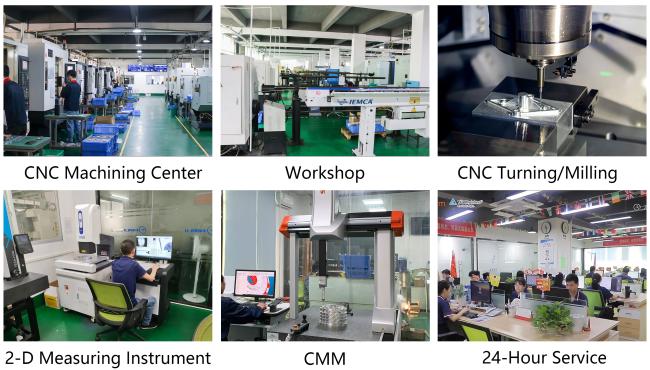
covering 6000 square meters. Complete facilities, including 3D quality inspection equipment, ERP system and 40 machines. If necessary, we can provide you with material certificates, sample quality inspection and other reports.
Detailed drawings (PDF/STEP/IGS/DWG...), including quality, delivery date, materials, quality, quantity, surface treatment and other information.
Get in Touch
Have questions about our products or want to discuss a custom order? Our team is ready to help you.