
Hey there! If you’ve ever thought that manufacturing medical parts is all about cold, hard metal and precise machines, you’re in for a surprise. Today, we’re diving into a topic that’s way more fascinating than it sounds: painting medical turning parts.
Honestly, that’s what most people think. But in the world of medical devices, a coat of paint isn’t about making something pretty. It’s a critical, life-saving step in the manufacturing process. Let’s break down why.


It's Not a Coat of Paint; It's a Shield.
Think about the environment these parts live in. We're talking about surgical tools, components inside diagnostic machines, or parts of a hospital bed. They face a daily assault of:
- Harsh Sterilants: They’re constantly bathed in powerful chemicals and autoclaved with high-pressure steam.
- Corrosive Bodily Fluids: They need to resist reaction with various substances.
- General Wear and Tear: They get bumped, cleaned, and used repeatedly.
A bare metal part, no matter how well-machined, would corrode, rust, and degrade over time. The right specialized coating acts as an invisible shield, protecting the integrity of the part and ensuring it performs reliably, surgery after surgery, year after year.
The "Slippery" Factor You Never Knew You Needed
Friction is the enemy in many medical devices. Imagine a component inside an insulin pump or a surgical robot that needs to move smoothly and precisely. Any unwanted friction can lead to failure.
Certain high-performance coatings are engineered to be incredibly slick. By applying them to turned parts, we drastically reduce friction, which means less wear on the components, smoother operation, and ultimately, a more reliable and accurate medical device.
The Ultimate Goal: Patient Safety
This is the big one. Everything comes back to patient safety. A chipped or corroded part can shed microscopic particles. A part with poor friction can jam at a critical moment. The right coating prevents this.
Furthermore, many coatings are designed to be biocompatible. This is a fancy word meaning the coating is specifically formulated to be safe for contact with the human body without causing any adverse reactions. It’s non-toxic, inert, and incredibly safe.
So, What Makes a "Medical-Grade" Coating?
You can’t just use any paint from the hardware store. This stuff is high-tech. Medical-grade coatings are:
- Extremely Durable: They bond permanently to the metal substrate, resisting chipping, peeling, and flaking.
- Chemically Resistant: They laugh in the face of aggressive disinfectants and sterilizing agents.
- Precision-Applied: The coating is applied in a controlled, ultra-thin layer that doesn’t interfere with the part's precise dimensions or tolerances.
Wrapping It Up
The next time you see a sleek, colored medical instrument or a component from a complex machine, remember—that color isn’t just for branding. It’s the final, crucial step in a journey of precision engineering. It’s a testament to the incredible attention to detail that goes into every aspect of healthcare, right down to a single, tiny, turned part.
It’s not just paint. It’s peace of mind, engineered onto a surface.



FAQ
1. Are you a manufacturer or a trading company?
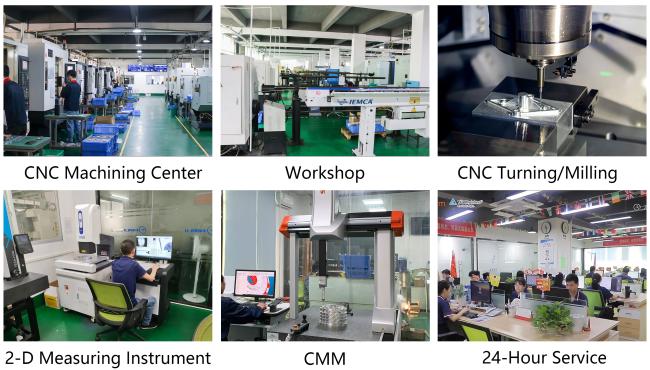
covering 6000 square meters. Complete facilities, including 3D quality inspection equipment, ERP system and 40 machines. If necessary, we can provide you with material certificates, sample quality inspection and other reports.
Detailed drawings (PDF/STEP/IGS/DWG...), including quality, delivery date, materials, quality, quantity, surface treatment and other information.
Get in Touch
Have questions about our products or want to discuss a custom order? Our team is ready to help you.