
CNC Machined Cylindrical Stamped Aluminum Parts
In advanced manufacturing sectors, the demand for lightweight, high-strength, and precisely engineered components continues to grow. One solution that stands out for delivering both functional performance and manufacturing efficiency is the production of CNC machined cylindrical stamped aluminum parts. These components combine the advantages of both stamping and CNC machining techniques to meet the stringent requirements of aerospace, automotive, electronics, and industrial machinery applications.

Understanding the Component: Cylindrical Stamped Aluminum Parts
Cylindrical stamped aluminum parts are tubular or round components initially formed using stamping techniques—typically through deep drawing or progressive die processes. These processes shape flat aluminum sheets into cylindrical or cup-like geometries using controlled force and dies.
Once formed, these stamped parts often require further refinement through CNC machining to achieve:
- Precise dimensions and tolerances
- Detailed features such as threads, slots, or grooves
- Superior surface finishes
- Alignment and assembly-specific modifications
This combination ensures that parts meet both structural and cosmetic criteria, making them fit for highly specialized applications.
The Hybrid Manufacturing Process
The production of CNC machined cylindrical stamped aluminum parts involves two main stages:
1. Stamping Process
- Material preparation: High-quality aluminum sheets or blanks (commonly 5052 or 6061) are selected.
- Stamping/forming: Using dies and presses, the aluminum is formed into cylindrical or tubular shapes.
- Trimming and deburring: Excess material is removed, and the part is prepared for further processing.
Stamping is highly efficient for producing large volumes of near-net-shape parts quickly and with consistent repeatability.
2. CNC Machining
- Mounting and alignment: The cylindrical blanks are fixed in CNC lathes or mills.
- Precision machining: Operations such as turning, drilling, milling, and threading are performed to refine the stamped shape.
- Finishing: Parts may be anodized, polished, bead blasted, or powder-coated for enhanced corrosion resistance and aesthetics.
The CNC step adds precision where it’s needed most, transforming a roughly shaped blank into a final product ready for use in high-performance systems.
Advantages of CNC Machined Cylindrical Stamped Aluminum Parts
This hybrid approach offers several distinct benefits:
- Material Efficiency: Stamping minimizes waste, while CNC ensures accuracy—reducing both cost and scrap.
- High Production Speed: Stamping quickly produces base forms, and machining selectively applies detail—streamlining the workflow.
- Lightweight Strength: Aluminum’s high strength-to-weight ratio makes these parts ideal for weight-sensitive applications.
- Versatile Design Options: Suitable for both simple and complex cylindrical forms with secondary features.
- Enhanced Aesthetics and Protection: Surface treatments like anodizing or powder coating improve corrosion resistance and product appeal.
Common Applications
The combination of stamping and CNC machining makes these aluminum parts suitable for a wide range of applications:
- Automotive: Fuel system components, suspension tubes, electric motor housings
- Aerospace: Sensor enclosures, hydraulic tubing components, structural spacers
- Electronics: Heat sink housings, cylindrical device shells, cable connectors
- Medical Devices: Equipment housing tubes, surgical instrument handles
- Industrial Equipment: Pneumatic cylinder bodies, robotics arm linkages, fixture components
Key Considerations in Production
When manufacturing CNC machined cylindrical stamped aluminum parts, attention to detail at every stage is critical:
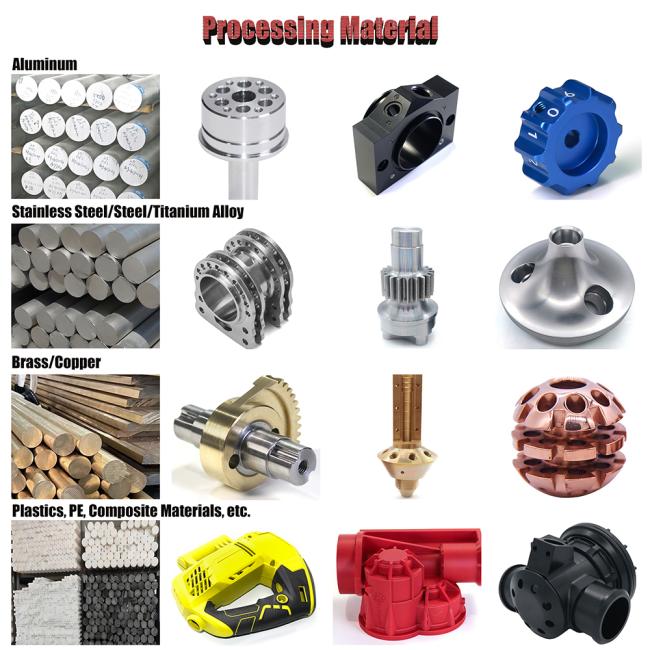
- Material Selection: Choose alloys with the right balance of formability and machinability (e.g., 5052 for forming, 6061 for machining).
- Die Design: Proper tooling ensures consistent forming during stamping.
- Tolerancing: Allow for minor variations in stamped parts that CNC machining will refine.
- Surface Treatment Compatibility: Ensure finishes adhere well to aluminum and meet end-use requirements.
Collaborating with a manufacturer skilled in both stamping and CNC machining ensures seamless integration of these processes and optimal part quality.



FAQ
1. Are you a manufacturer or a trading company?
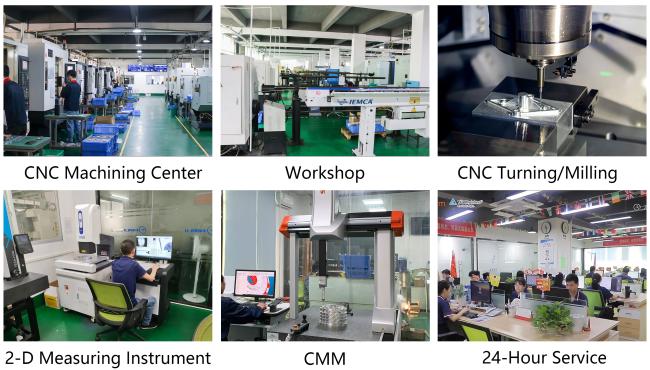
covering 6000 square meters. Complete facilities, including 3D quality inspection equipment, ERP system and 40 machines. If necessary, we can provide you with material certificates, sample quality inspection and other reports.
Detailed drawings (PDF/STEP/IGS/DWG...), including quality, delivery date, materials, quality, quantity, surface treatment and other information.
Get in Touch
Have questions about our products or want to discuss a custom order? Our team is ready to help you.