
CNC Turning Milling Machining Metal Stainless Steel Aluminum Parts
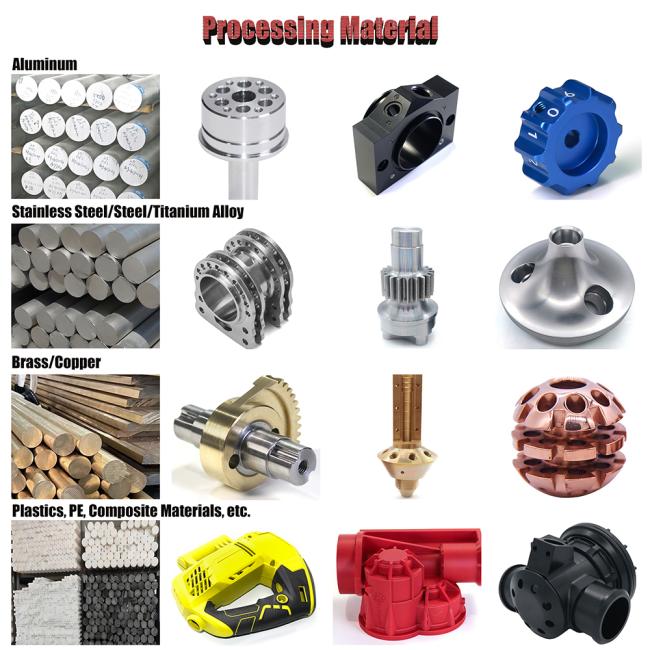
If you're in the manufacturing game, you've probably heard about CNC turning and milling—especially when working with metals like stainless steel and aluminum. These machining processes are the backbone of precision parts production, and understanding how they work can save you time, money, and headaches.


What’s the Difference Between CNC Turning and Milling?
First things first—let’s clear up the confusion between CNC turning and milling.
- CNC Turning: Think of a lathe spinning a metal workpiece while a cutting tool shapes it. Perfect for cylindrical parts like shafts, bushings, and threaded components.
- CNC Milling: Here, the cutting tool rotates while the workpiece stays stationary (or moves). Ideal for complex shapes, slots, and intricate designs.
Both methods are super precise, but choosing the right one depends on your part’s geometry and requirements.
Why Stainless Steel and Aluminum?
These two metals are superstars in CNC machining, and for good reason:
1.Stainless Steel
- Durable & Corrosion-Resistant: Great for parts exposed to harsh environments (think medical devices, marine hardware, or food processing equipment).
- Strong but Machinable: With the right tools and speeds, you can achieve smooth finishes without excessive tool wear.
2.Aluminum
- Lightweight & Easy to Machine: Cuts faster than steel, reducing production time and cost.
- Excellent Strength-to-Weight Ratio: A favorite in aerospace, automotive, and electronics.
Key Benefits of CNC Machining for Metal Parts
- Precision Every Time – CNC machines follow digital blueprints down to the micron, ensuring consistent quality.
- Faster Production – Once programmed, CNC machines can churn out parts with minimal manual intervention.
- Complex Designs? No Problem – Multi-axis milling can handle geometries that would be impossible with manual machining.
- Material Efficiency – CNC reduces waste by optimizing cuts, saving you material costs.
Tips for Optimizing Your CNC Machined Parts
- Design for Manufacturability (DFM): Avoid overly complex features that increase machining time.
- Choose the Right Finish: Anodizing for aluminum? Passivation for stainless steel? Your finish affects durability and appearance.
Final Thoughts
Whether you need stainless steel components for heavy-duty applications or lightweight aluminum parts for high-tech industries, CNC turning and milling deliver unmatched accuracy and efficiency. The key is picking the right process, material, and machining partner.



FAQ
1. Are you a manufacturer or a trading company?
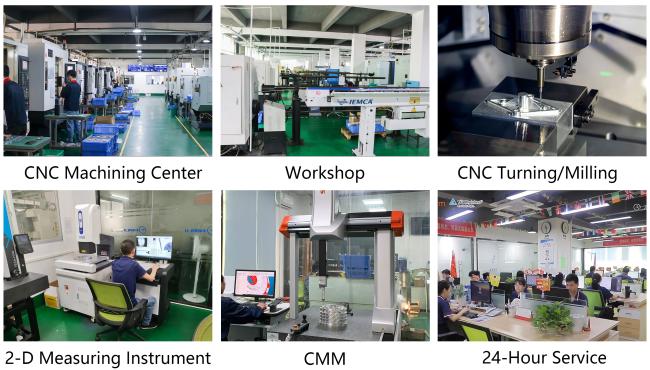
covering 6000 square meters. Complete facilities, including 3D quality inspection equipment, ERP system and 40 machines. If necessary, we can provide you with material certificates, sample quality inspection and other reports.
Detailed drawings (PDF/STEP/IGS/DWG...), including quality, delivery date, materials, quality, quantity, surface treatment and other information.
Get in Touch
Have questions about our products or want to discuss a custom order? Our team is ready to help you.