
CNC precision copper turning and milling parts
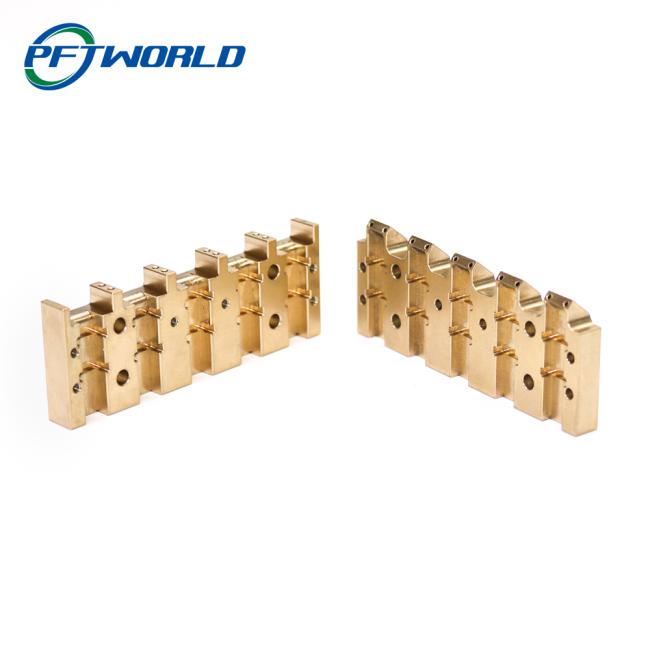
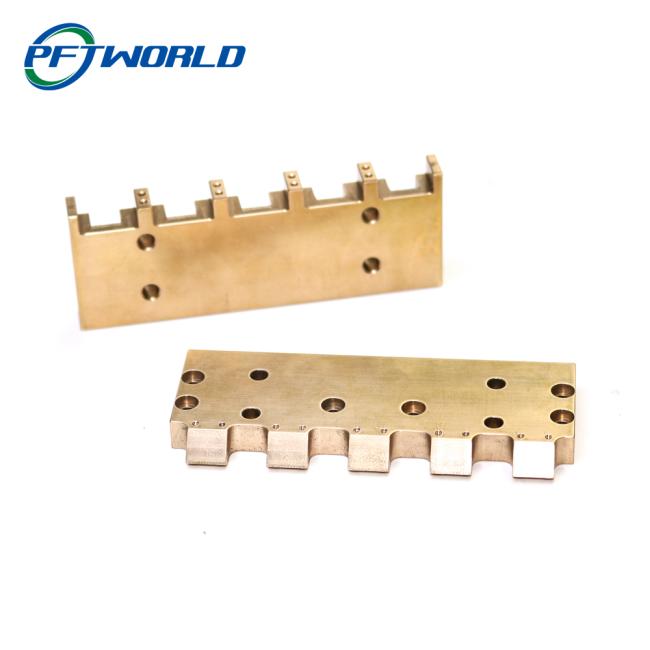
The CNC Precision Copper Turning and Milling Process
1.Design and CAD Modeling
The first step in CNC machining is the creation of a detailed CAD (Computer-Aided Design) model of the part. The CAD model is a digital representation that defines the exact geometry and dimensions of the part. The model will also include features such as holes, slots, threads, and any other intricate details that are required for the part. Once the design is finalized, the CAD model is converted into machine-readable code (G-code) that will control the CNC machine.
2.Material Selection and Preparation
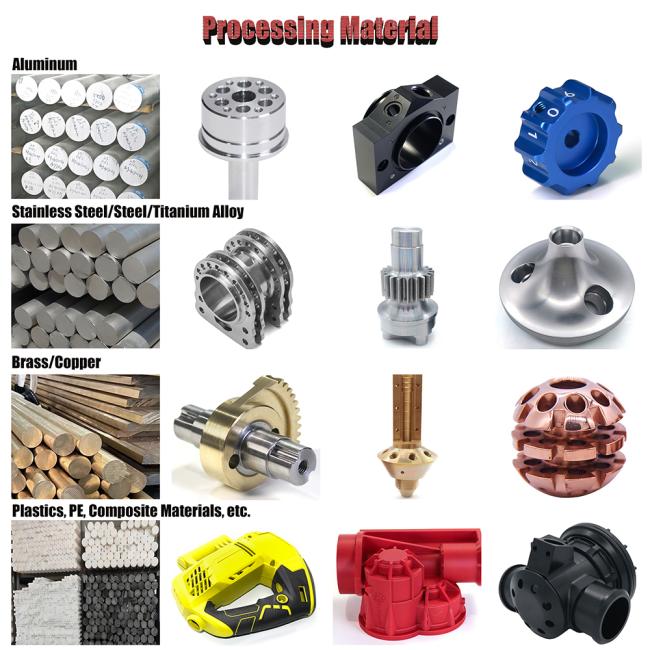
Copper comes in various grades and alloys, each offering different characteristics such as increased strength, better corrosion resistance, or enhanced thermal and electrical conductivity. The material is selected based on the requirements of the finished part. Copper rods, bars, or sheets are typically used as raw material, and they are cut to size before being loaded into the CNC machine.
3.CNC Turning and Milling
Once the material is ready, the CNC turning and milling process begins.
- CNC Turning: This process involves rotating the copper workpiece while a cutting tool shapes it. The copper is progressively cut down to the desired shape, which can include features such as cylindrical shapes, threaded surfaces, and smooth, complex profiles.
- CNC Milling: Milling involves the use of rotating tools that move along various axes to remove material from the copper. CNC milling is ideal for creating flat surfaces, complex profiles, pockets, holes, and slots. Copper is an ideal material for milling due to its soft nature, which allows for fine detailing with precision.
4.Finishing and Surface Treatments
After the copper parts are machined, they may require various finishing processes to enhance their appearance, functionality, or durability. Common post-machining processes for CNC copper parts include:
- Polishing: Achieving a smooth and shiny surface for aesthetic or functional purposes, especially important in electronics or decorative components.
- Anodizing: While copper doesn’t undergo anodizing in the same way aluminum does, copper parts can be treated with certain surface coatings to improve their resistance to corrosion and wear.
- Plating: Copper parts may be plated with other metals such as nickel or silver to enhance their corrosion resistance or to improve their conductivity.
5.Inspection and Quality Control
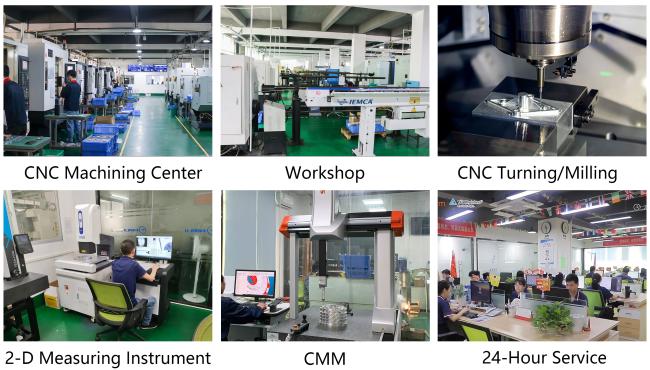
After the machining and finishing processes are completed, each part undergoes stringent quality control. Precision measuring tools such as CMM (Coordinate Measuring Machines), micrometers, and calipers are used to verify the dimensions, tolerances, and surface finishes. Any deviations from the specifications are corrected before the parts are shipped for use.
Applications of CNC Precision Copper Turning and Milling Parts
1.Electronics and Electrical Engineering
Copper is a critical material for electrical components due to its excellent electrical conductivity. CNC copper parts are used in connectors, terminals, electrical contacts, and other components that require precise conductivity and performance.
2.Aerospace Industry
The aerospace industry relies on CNC precision copper turning and milling parts for components that require both high strength and excellent heat conductivity. Copper parts are often used in engines, electrical systems, and other critical components in aircraft.
3.Automotive Industry
In the automotive sector, CNC copper parts are commonly used for components in the electrical systems, engines, and heat management systems of vehicles. Copper’s thermal conductivity makes it ideal for heat exchangers and cooling systems in high-performance engines.
4.Telecommunications
Copper is often used in telecommunications equipment for components that must support high-frequency signals with minimal loss. CNC precision copper turning and milling allow manufacturers to produce components that meet the stringent requirements of modern telecommunications technology.
5.Energy and Power Generation
Copper’s excellent thermal and electrical conductivity makes it a preferred material in the energy and power generation industry. From electrical components to specialized heat exchangers, CNC copper parts play an essential role in the efficient transmission and generation of energy.
Conclusion
CNC precision copper turning and milling parts offer exceptional precision, durability, and versatility, making them a popular choice for a wide range of high-performance applications. Whether you need custom components for the electronics, aerospace, automotive, or telecommunications industries, CNC machining ensures that your copper parts will meet the highest standards for quality, accuracy, and functionality.



FAQ
1. Are you a manufacturer or a trading company?
covering 6000 square meters. Complete facilities, including 3D quality inspection equipment, ERP system and 40 machines. If necessary, we can provide you with material certificates, sample quality inspection and other reports.
Detailed drawings (PDF/STEP/IGS/DWG...), including quality, delivery date, materials, quality, quantity, surface treatment and other information.
Get in Touch
Have questions about our products or want to discuss a custom order? Our team is ready to help you.