
High-precision aluminum polished CNC machined parts
In precision manufacturing, both dimensional accuracy and surface quality are critical—especially when working with materials like aluminum. A key process that combines both performance and aesthetics is aluminum polishing CNC processing. This technique merges the accuracy of computer-controlled machining with advanced surface finishing, producing high-quality aluminum parts for demanding applications in aerospace, automotive, electronics, medical devices, and consumer products.

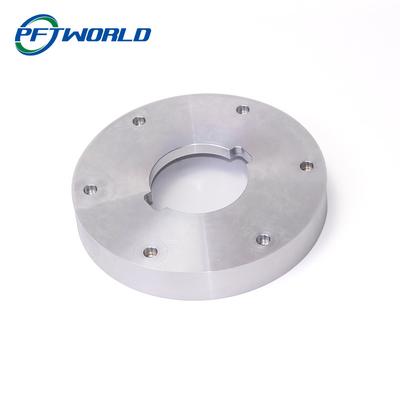
What is CNC Processing for Aluminum?
CNC processing, short for Computer Numerical Control machining, involves using automated machine tools—such as mills, lathes, and routers—programmed to cut and shape materials with extreme accuracy. Aluminum, being a lightweight, corrosion-resistant, and machinable metal, is one of the most commonly processed materials in CNC machining.
CNC processing of aluminum includes:
- Milling: For shaping complex contours and 3D surfaces
- Turning: For cylindrical or rotational parts
- Drilling and tapping: For creating holes and threads
- Surface profiling: To ensure tight tolerances and flatness
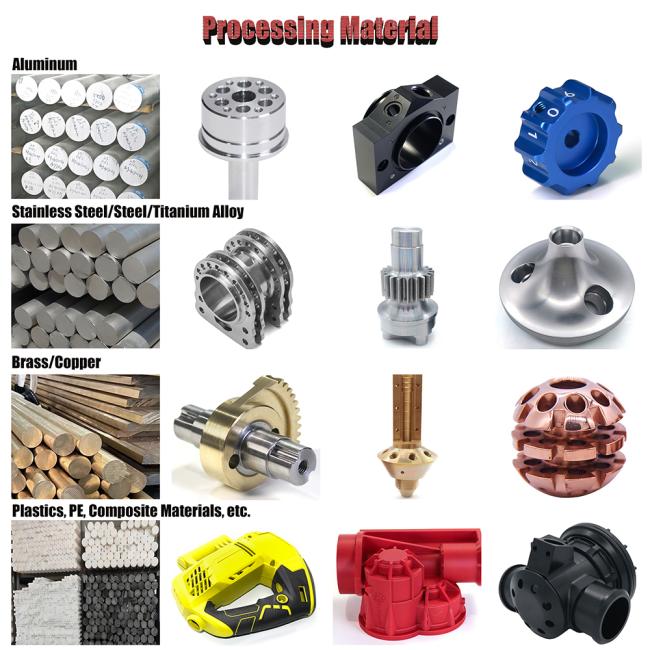
Aluminum grades frequently used include 6061, 7075, and 5052, depending on the application's mechanical and environmental demands.
The Role of Polishing in Aluminum CNC Parts
After CNC machining, aluminum parts often have visible tool marks, slight burrs, and matte surfaces. While functionally acceptable, many industries require enhanced surface finishes for either performance or aesthetic reasons. That’s where aluminum polishing comes in.
Polishing is the process of refining a metal surface to achieve a smooth, shiny, or mirror-like finish. It can be purely decorative or serve functional purposes, such as reducing friction or preparing a part for anodizing or coating.
Methods of Aluminum Polishing
Depending on the desired result, different techniques may be used in post-CNC aluminum polishing:
1. Mechanical Polishing
This involves using abrasive tools like polishing wheels, belts, or pads to physically smooth the surface. It's ideal for:
- Removing machining marks
- Creating a consistent grain or mirror finish
- Preparing parts for anodizing or coating
2. Chemical Polishing
A chemical solution is used to etch and smooth the surface. This method is suitable for:
- Intricate or delicate parts where mechanical polishing is difficult
- Achieving uniform finishes on complex geometries
3. Electropolishing
An electrochemical process that removes microscopic layers from the surface. Benefits include:
- Superior surface smoothness and cleanliness
- Corrosion resistance enhancement
- Ideal for medical, aerospace, and cleanroom applications
4. Vibratory and Tumbling Polishing
Parts are placed in a machine with abrasive media and vibrated or rotated. This is best for:
- Batch polishing of small parts
- Edge deburring and smoothing
- Creating satin or matte finishes
Benefits of Aluminum Polishing CNC Processing
Combining CNC machining with professional aluminum polishing offers several key advantages:
- High precision and visual appeal: Critical for consumer electronics, automotive trim, and optical parts.
- Improved corrosion resistance: Polished surfaces are more uniform, minimizing areas where oxidation might start.
- Enhanced functionality: Polishing can reduce surface friction, which is vital for sliding or rotating parts.
- Better preparation for coating: A polished surface improves adhesion for anodizing, painting, or powder coating.
- Increased perceived value: Polished aluminum parts often appear more refined and luxurious.
Applications of Polished CNC-Machined Aluminum Parts
Many industries benefit from aluminum polishing CNC processing, including:
- Automotive: Trim parts, emblems, dashboard accents, and racing components
- Aerospace: Instrument panels, structural brackets, and lightweight polished fixtures
- Consumer Electronics: Laptop frames, smartphone bodies, audio equipment
- Medical Devices: Surgical handles, housings, and diagnostic components
- Architecture: Decorative panels, lighting fixtures, and signage
- Robotics and Automation: Smooth, wear-resistant components for motion systems



FAQ
1. Are you a manufacturer or a trading company?
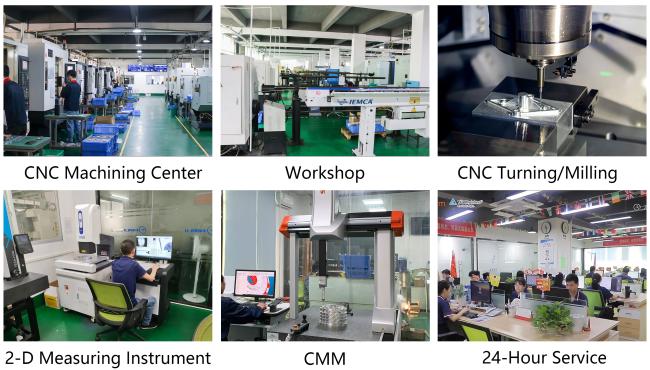
covering 6000 square meters. Complete facilities, including 3D quality inspection equipment, ERP system and 40 machines. If necessary, we can provide you with material certificates, sample quality inspection and other reports.
Detailed drawings (PDF/STEP/IGS/DWG...), including quality, delivery date, materials, quality, quantity, surface treatment and other information.
Get in Touch
Have questions about our products or want to discuss a custom order? Our team is ready to help you.