
Silicone Injection Molding CMC Turning Milling Parts
In advanced manufacturing, combining silicone injection molding with CMC turning milling parts offers a unique and powerful solution for producing precision-engineered components. This hybrid manufacturing approach is especially useful in industries where flexibility, durability, and tight tolerances are essential—such as medical devices, automotive systems, electronics, and aerospace applications.


What is Silicone Injection Molding?
Silicone injection molding is a process used to produce parts from liquid silicone rubber (LSR) by injecting it into a heated mold cavity where it cures. This method is widely used for manufacturing flexible, durable, and biocompatible components.
Key features of silicone injection molding:
- Excellent thermal and chemical resistance
- Flexibility and compression set resistance
- Biocompatibility (ideal for medical and food-grade applications)
- Superior electrical insulation
- Tight tolerances and detailed surface reproduction
Common applications:
- Seals and gaskets
- Medical tubing and devices
- Consumer product components (wearables, baby products)
- Automotive weatherstripping and vibration dampers
What Are CMC Turning and Milling Parts?
CMC (Ceramic Matrix Composite) materials are a class of advanced ceramics reinforced with fibers, offering superior performance at high temperatures and in corrosive environments. CMCs are used in components where traditional metals or plastics would fail due to thermal stress or wear.
Turning and milling are CNC (Computer Numerical Control) processes used to shape these extremely hard and brittle materials with high precision.
Benefits of CNC turning and milling for CMC parts:
- Exceptional temperature resistance (often over 1,000°C)
- High strength-to-weight ratio
- Outstanding wear and corrosion resistance
- Excellent dimensional stability
Common CMC materials:
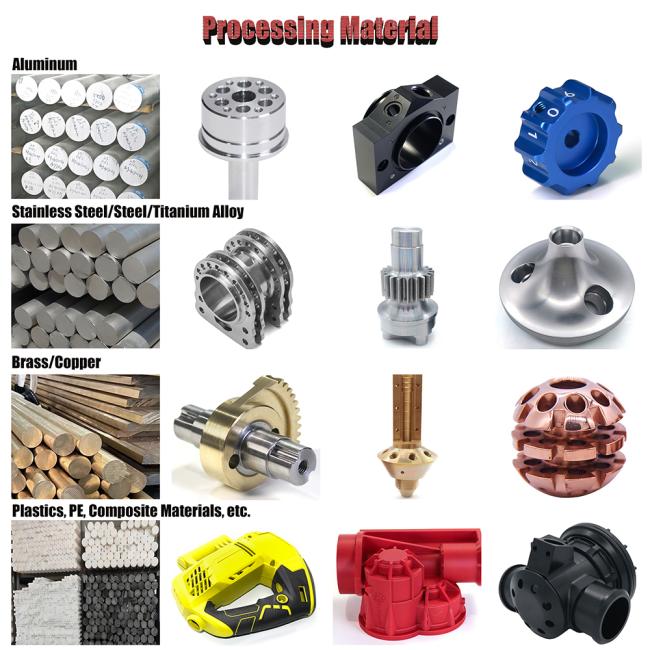
- Silicon carbide (SiC)
- Alumina (Al₂O₃)
- Zirconia (ZrO₂)
- Fiber-reinforced ceramic composites
Applications include:
- Aerospace engine components
- High-performance brakes and clutches
- Heat shields and insulation panels
- Medical tools and surgical equipment
Design Considerations
When designing products that incorporate both processes:
- Allow for bonding or overmolding between silicone and CMC
- Use simulations for thermal expansion compatibility
- Design for function-first: CMC for structure, silicone for interaction (e.g., touch, seal, damping)
- Consider joining techniques like mechanical interlocks, adhesive bonding, or co-molding



FAQ
1. Are you a manufacturer or a trading company?
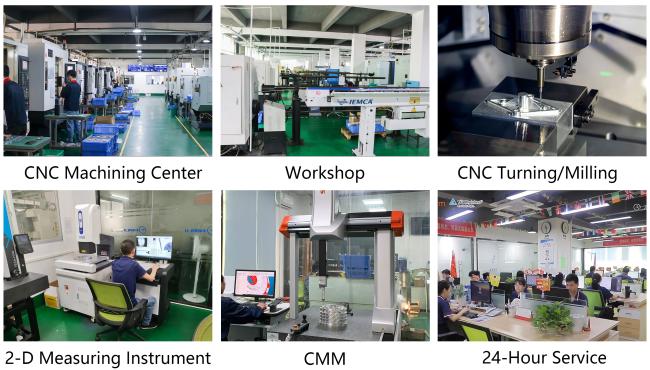
covering 6000 square meters. Complete facilities, including 3D quality inspection equipment, ERP system and 40 machines. If necessary, we can provide you with material certificates, sample quality inspection and other reports.
Detailed drawings (PDF/STEP/IGS/DWG...), including quality, delivery date, materials, quality, quantity, surface treatment and other information.
Get in Touch
Have questions about our products or want to discuss a custom order? Our team is ready to help you.