
Fully automatic and efficient biomass straw pellet fuel production line Wood Fuel Pellet Press Machine


| Attribute | Value |
|---|---|
| Usage | Making wood pellets |
| Features | Automatic, high efficiency, low noise |
| Power Source | Electric |
| Material | Wood |
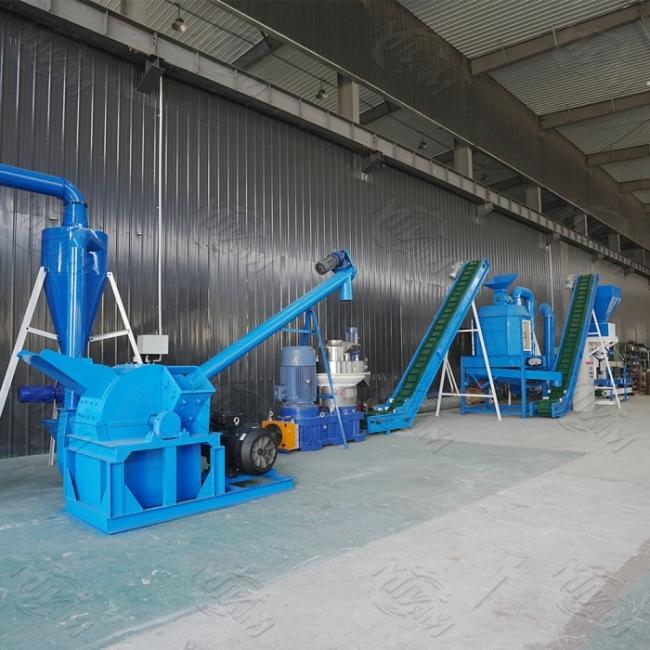
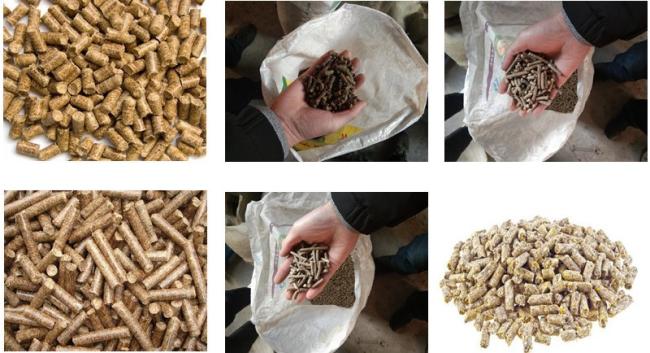
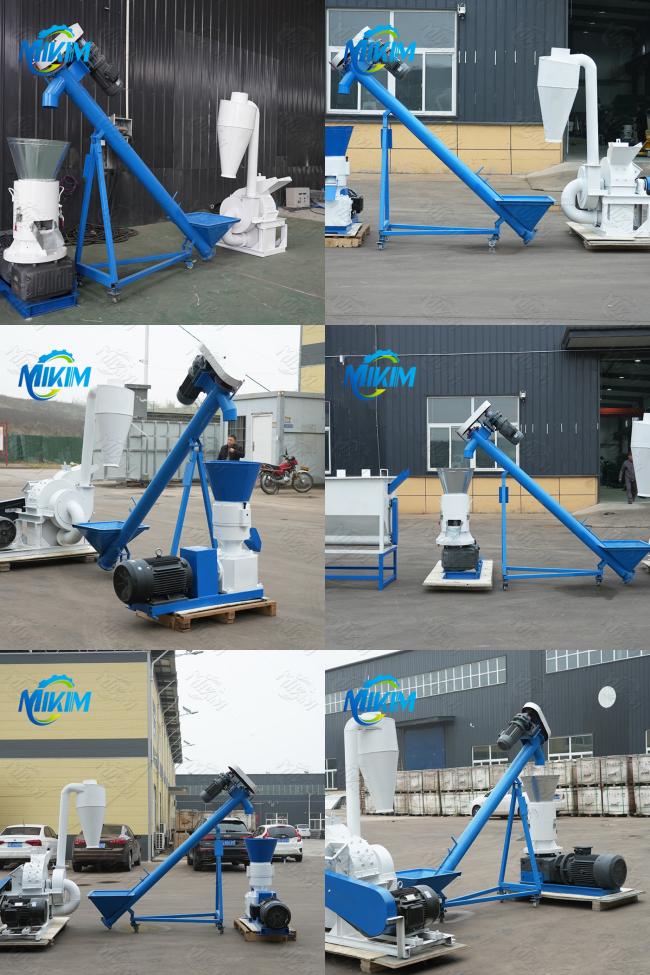
A biomass wood pellet production line is an environmentally friendly project that processes various biomass waste materials, such as straw, branches, and rice husks, into solid fuel pellets. The production process of a wood pellet processing plant primarily includes wood chipping, sawdust crushing, sawdust drying and storage, pellet extrusion, and wood pellet packaging.
A large amount of biomass waste in our daily lives can be used to make wood pellets. Common raw materials for wood pellet processing include:
- Crop residues. This includes cotton stalks, wheat straw, rice straw, corn stalks, corn cobs, and other cereal straws.
- Sawdust. Wood chips have excellent pelletizing properties. Sawdust-based biomass pellets produce stable yields, smooth pellets, and high hardness.
- Small wood shavings. Because wood pellets are large and difficult to fit into a wood pellet machine, they must be crushed in a sawdust crusher before use.
- Sanding powder used in wood panel and furniture factories. Sanding powder has a light specific gravity and is prone to clogging.
- Wood panel and wood chip offcuts. These raw materials need to be crushed before use.
- Fiber materials. For this type of raw material, the fiber length must be controlled, generally no longer than 5mm.

| Model | Power | Mold Hole | Capacity for industrial solid | Capacity for biomass | Pellet size(mm) |
|---|---|---|---|---|---|
| MK-36 | 45kw | 36 | 0.5-1.0 | 1.0-1.5 | 32*32*50-100 |
| MK-48 | 75kw | 48 | 1.0-1.5 | 1.5-2.5 | 32*32*50-100 |
| MK-72 | 110kw | 72 | 2.0-2.5 | 2.5-3.5 | 32*32*50-100 |
| MK-90 | 132kw | 90 | 2.0-2.5 | 3.5-5.0 | 32*32*50-100 |
| MK-120 | 200kw | 120 | 3.0-4.0 | 4.0-6.0 | 32*32*50-100 |
| MK-150 | 250kw | 150 | 4.0-6.0 | 6.0-10.0 | 32*32*50-100 |
- Reduction System: We offer a variety of reduction systems, including shredding, chipping, crushing, wood peeling, wood splitting, and pallet shredding, depending on the size and impurities of the raw material.
- Cleaning System: Most raw materials contain impurities such as dirt and nails. The cleaning stage can be located before or after the reduction process.
- Batching and Mixing: This stage may be required when customers use different types of raw materials to ensure pellet quality.
- Drying System: Prior to pelletizing, the raw materials must be dried to a moisture content between 13% and 15%.
- Pelletizing System: The finished pellets have a diameter of 2-12mm. The drive system utilizes high-quality imported bearings.
- Cooling System: The cooled pellets are generally no more than 5°C above room temperature, with a moisture content below 10%.
- Screening System: Screening equipment is used to separate qualified pellets from unqualified ones.
- Packaging System: We can adjust our packaging equipment to meet customer requirements.
Yes, of course. Rice husks can be used to make pellet fuel. However, it's important to ensure the husks maintain a certain moisture content, around 10%.
Wood pellets are typically used directly as fuel. These fuel pellets are often used to heat factory boilers and homes. Alternatively, wood pellets can be carbonized in a carbonizer to make charcoal pellets.
For more information on process design, equipment layout, plant construction plan, single machine equipment quotation, turnkey quotation, etc., please feel free to contact us.
Get in Touch
Have questions about our products or want to discuss a custom order? Our team is ready to help you.