
Water Descaler Anti-Limescale Treatment, Eco-Friendly Hard Water Conditioner for Whole House Plumbing
How to Remove Limescale in the Bathroom: A Complete Guide
Limescale is a stubborn and annoying issue in many bathrooms, particularly in regions with hard water. These chalky calcium deposits gradually accumulate on showerheads, taps, fixtures, tiles and glass surfaces, leaving them dull, unattractive and sometimes less efficient. One of the best natural solutions is citric acid – a mild, biodegradable acid naturally present in lemons and other citrus fruits. It works brilliantly, is kind to the environment, and leaves a fresh citrus fragrance behind.
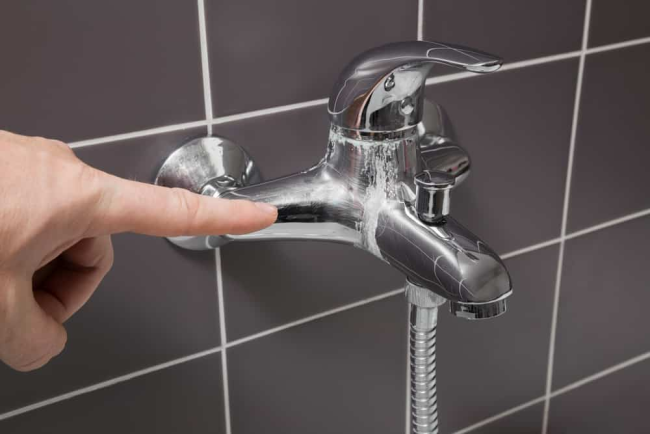
While baking soda and white vinegar are popular natural remedies for removing limescale, there are several other effective methods to consider. This guide will walk you through some proven ways to eliminate limescale in your bathroom, including the installation of BriskSpring's purely physical descaling device that gradually decomposes and removes scale.
1. Use Citric Acid for a Powerful Clean

Here’s the simple method:
- Prepare the solution: Dissolve 2 tablespoons of citric acid powder in 1 cup (approximately 250 ml) of hot water. Stir well until no granules remain.
- Apply generously: Transfer the mixture to a spray bottle and spray it liberally over all limescale-affected areas (taps, showerheads, tiles, glass screens, etc.).
- Allow it to work: Leave the solution on the surface for 15–30 minutes, or longer for heavy buildup.
- Scrub and rinse: Gently scrub with a non-abrasive brush or sponge, then rinse thoroughly with clean water to remove any traces of the solution.
Citric acid is especially effective on glass shower doors and around metal fittings, where limescale stains are most noticeable, restoring a sparkling, streak-free finish.
2. Use Lemon Juice for a Natural Alternative
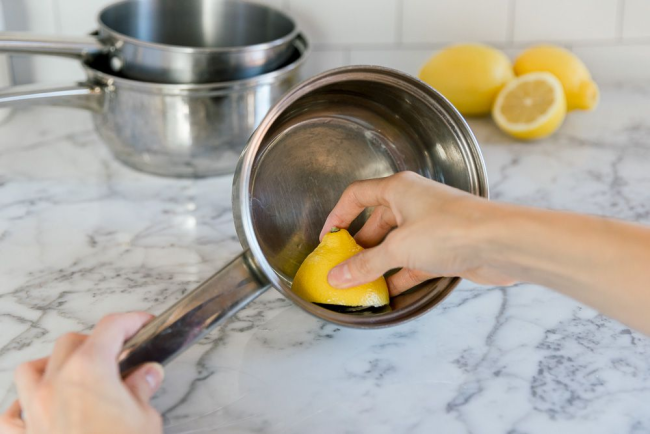
Fresh lemon juice is another excellent natural alternative to citric acid powder and works just as effectively thanks to its high natural acidity. It dissolves calcium buildup gently, without relying on aggressive chemicals, and leaves your bathroom smelling wonderfully fresh.
Here’s how to use it:
- Rub directly: Slice a lemon in half and press the cut side against limescale-covered surfaces (taps, showerheads, tiles, or glass). Rub firmly so the juice coats the deposits thoroughly.
- Soak for tougher stains: Squeeze plenty of lemon juice onto a clean cloth or paper towel, then wrap or press it against heavily scaled areas. Leave it in place for at least 30 minutes (or up to an hour for very stubborn buildup).
- Scrub and rinse: After soaking, scrub gently with a soft brush or sponge to lift away the loosened limescale. Finally, rinse everything with warm water until no sticky residue remains.
This simple lemon method is particularly good for smaller fixtures and glass shower screens, delivering a shiny, streak-free result with minimal effort.
3. Install BriskSpring’s Purely Physical Descaling Device
For a long-term solution to limescale buildup, consider installing BriskSpring’s purely physical descaling device. Unlike chemical-based descalers, this device uses a non-invasive, environmentally friendly method to prevent limescale formation and gradually decompose existing scale.
- How It Works: BriskSpring’s descaling device alters the physical properties of the minerals in hard water, preventing them from crystallizing and adhering to surfaces. Over time, this process breaks down existing limescale, allowing it to be washed away naturally.

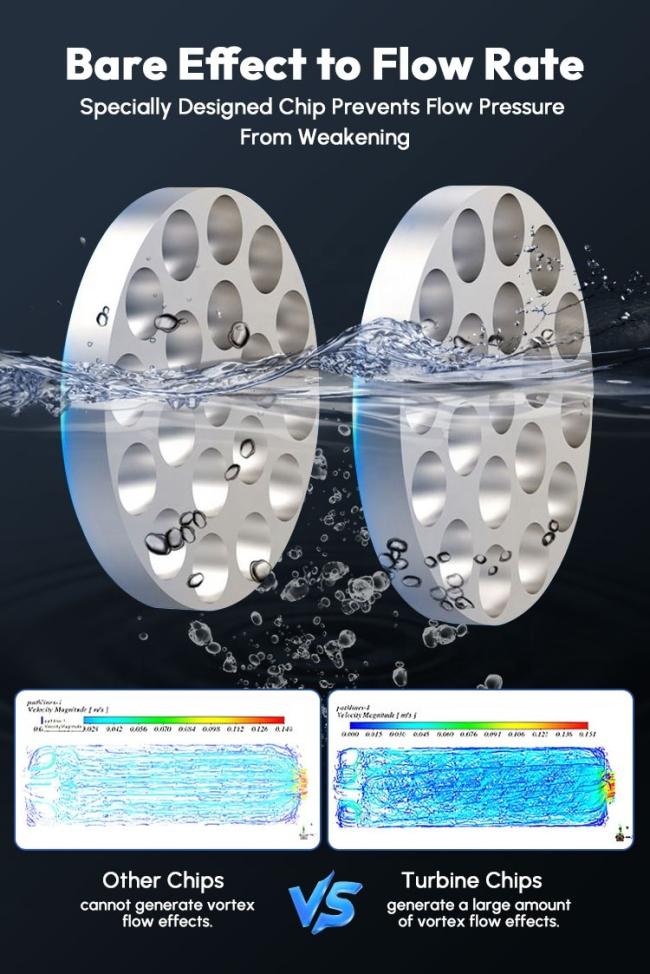
- Installation: The device is easy to install and requires minimal maintenance. It can be attached to your main water line or specific appliances like the shower or water heater.
- Benefits: Not only does this device protect your bathroom fixtures from limescale, but it also extends the lifespan of your plumbing and appliances, reducing the need for frequent cleaning and repairs.
This purely physical approach is ideal for those looking to maintain a limescale-free bathroom with minimal effort.
4. Employ the Power of Baking Soda Paste
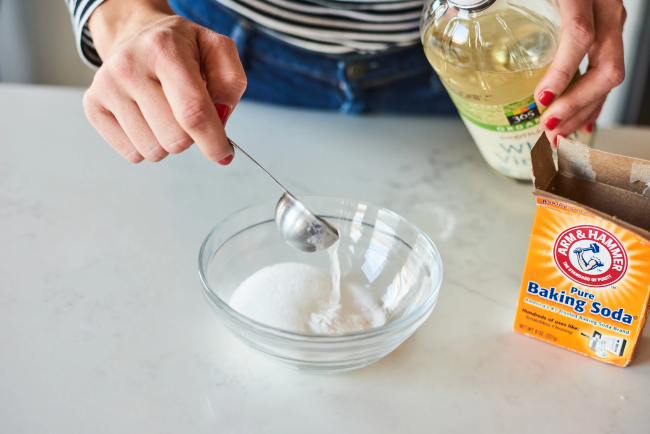
While baking soda and vinegar are often used together to remove limescale, baking soda alone can also be effective when applied as a paste. Its mildly abrasive nature makes it perfect for scrubbing away limescale without damaging surfaces.
- Make a Paste: Mix baking soda with a small amount of water until it forms a thick paste.
- Apply to Limescale: Use a sponge or cloth to apply the paste to the limescale-affected areas. Ensure it covers the deposits well.
- Scrub: After allowing the paste to sit for 10-15 minutes, use a brush to scrub the area. The baking soda will help lift and remove the limescale.
- Rinse: Rinse with warm water to wash away any residue and reveal a clean surface.
This method is particularly useful for tiles and grout lines, where limescale can accumulate over time.
5. Use Salt and Hot Water
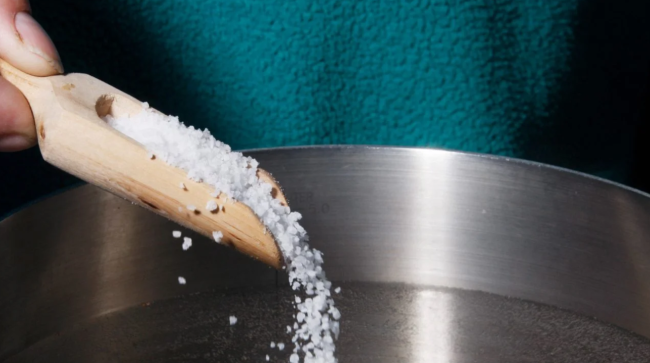
Another simple yet effective method for limescale removal is using salt combined with hot water. Salt is a natural abrasive that can help break down limescale, especially in areas like drains and toilets.
- Preparation: Sprinkle a generous amount of salt onto the limescale-affected area.
- Hot Water Treatment: Pour hot (but not boiling) water over the salt to create a mild chemical reaction that helps dissolve the scale.
- Scrub and Rinse: After letting it sit for a few minutes, scrub the area with a brush and rinse thoroughly with warm water.
This method works well for toilets, sinks, and other areas where limescale might not be easily visible but can cause blockages.
6. Adopt Preventive Measures
The best way to deal with limescale is to prevent it from forming in the first place. Regular maintenance and simple preventive measures can significantly reduce the amount of limescale buildup in your bathroom.
- Install a Water Softener: In addition to BriskSpring's descaling device, you might also consider installing a water softener. This device replaces calcium and magnesium ions in hard water with sodium ions, which do not form scale.
- Regular Descaling: Make it a habit to descale your showerhead, faucets, and other fixtures every few months using one of the methods outlined above.
By incorporating these preventive measures into your routine, you can maintain a limescale-free bathroom for the long term.
Conclusion
Limescale buildup in the bathroom is a common issue, but with the right tools and techniques, it’s easy to manage. Whether you prefer natural remedies like citric acid and lemon juice, commercial products, or long-term solutions like BriskSpring’s purely physical descaling device, there’s a method for everyone. By regularly cleaning and taking preventive steps, you can keep your bathroom sparkling clean and free from limescale.
For those seeking a sustainable and effective solution, BriskSpring’s descaling device offers a hands-off approach that gradually removes limescale and prevents future buildup, ensuring your bathroom stays in pristine condition with minimal effort.
Would you be ready to experience the benefits of BriskSpring’s descaling device ? Contact us now to learn more and take advantage of our special offers. Say goodbye to limescale and say hello to better water quality with BriskSpring!
Frank
Email: frank@briskspring.com
WhatsApp: 0086 15 3742 3376 2
#BriskSpring
#WaterDescaler
#LimescalePrevention
#HowToRemoveLimescale
#LimescaleInBathroom
Get in Touch
Have questions about our products or want to discuss a custom order? Our team is ready to help you.