
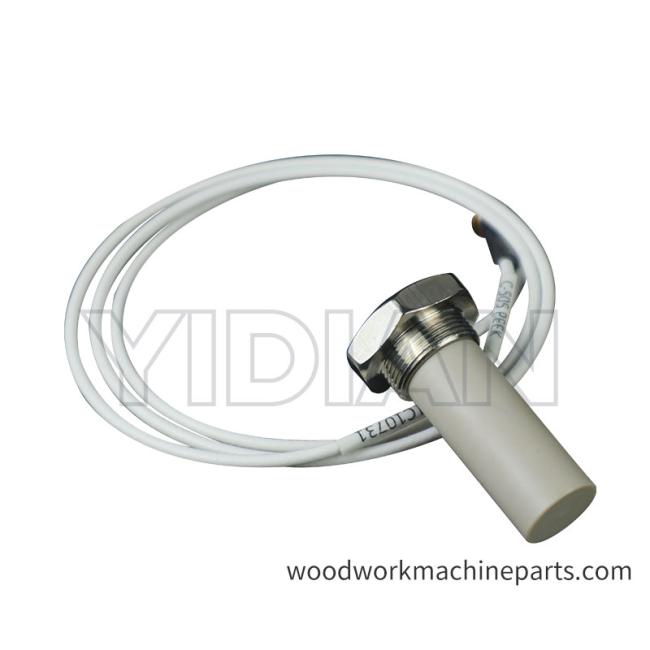
4008400168 Glue Level Sensor 4-008-40-0168 Probe C-505 PEEK Edgebander Sensor
4008400168 Glue Level Sensor / 4-008-40-0168 Adhesive Level Sensor Probe C-505 PEEK for Homag edge banding Machine R780 NKR782 KDF550 KDF540 glue pot QM
Technical Specifications
|
Product Name |
Edgebander Adhesive Level Sensor |
|
Material |
PEEK |
|
Compatibility |
Homag R780, NKR782, KDF550, KDF540 |
|
Function |
Glue level detection in glue pots |
|
Temperature Resistance |
Up to 260°C (500°F) |
|
Up to 260°C (500°F) |
Resistant to most chemicals used in adhesive applications |
| Part Number | 4008400168 or 4-008-40-0168 |
| Key Words | glue level sensor, edgebander sensor, glue level sensor probe |
| Note | YIDIAN supplies various woodworking machine parts, contact us now! |
Product Manual: 4008400168 Glue Level Sensor
Product Overview
The 4008400168 Glue Level Sensor, also known by its part number 4-008-40-0168 and sometimes referred to as the Adhesive Level Sensor Probe C-505, is a critical component designed specifically for Homag edge banding machines. This sensor is made from high-quality PEEK material and is used in various models, including the R780, NKR782, KDF550, and KDF540 glue pot systems.
Applications
This glue level sensor is essential in maintaining optimal adhesive levels in edge banding machines, ensuring that the glue pot is adequately supplied for consistent and high-quality edge banding performance. It helps in detecting the glue level accurately, thereby preventing machine downtimes due to glue shortages and avoiding the overfilling of glue, which could lead to waste and equipment damage.
Features
- - Material: The sensor is constructed from PEEK, a high-performance engineering plastic that offers excellent resistance to chemicals, high temperatures, and mechanical stress. This makes it ideal for the demanding conditions within glue pots of edge banding machines.
- - Compatibility: The 4008400168 Glue Level Sensor is compatible with several Homag edge banding machines, specifically the R780, NKR782, KDF550, and KDF540 models. Its design ensures seamless integration with these machines for efficient operation.
- - Durability: Thanks to its robust PEEK construction, the sensor is highly durable and capable of withstanding the harsh conditions in glue pot environments, including exposure to hot melt adhesives and varying temperatures.
- - Accuracy: The sensor provides precise glue level measurements, ensuring that the adhesive is maintained at an optimal level for continuous machine operation without interruptions.
- - Easy Installation: The sensor is designed for straightforward installation and replacement, reducing machine downtime and maintenance efforts.
Installation Instructions
1. Safety First: Ensure that the edge banding machine is powered off and disconnected from the power supply before starting the installation process.
2. Access Glue Pot: Open the glue pot compartment of the edge banding machine as per the manufacturer's instructions.
3. Remove Old Sensor: If replacing an existing sensor, carefully disconnect and remove the old sensor from the glue pot.
4. Install New Sensor: Insert the new 4008400168 Glue Level Sensor into the designated slot in the glue pot. Ensure that it is securely fixed in place.
5. Connect Wiring: Connect the sensor's wiring to the appropriate terminals on the edge banding machine. Refer to the machine’s wiring diagram for correct connections.
6. Test Sensor: Power on the machine and perform a test run to ensure that the sensor is accurately detecting glue levels. Check for any error messages or abnormal readings.
7. Close Glue Pot Compartment: Once testing is successful, close the glue pot compartment and ensure that it is securely latched.
Maintenance
To maintain the sensor's performance and longevity, regular maintenance is recommended:
- - Cleaning: Periodically clean the sensor to remove any adhesive buildup or debris that might affect its accuracy. Use a soft cloth and a mild solvent that is safe for PEEK materials.
- - Inspection: Regularly inspect the sensor for any signs of wear, damage, or corrosion. Replace the sensor if any defects are found to prevent operational disruptions.
- - Calibration: Check the sensor’s calibration periodically to ensure it is providing accurate readings. Recalibrate as necessary following the manufacturer's guidelines.

Get in Touch
Have questions about our products or want to discuss a custom order? Our team is ready to help you.