
Bar-Shaped Grade 3 Titanium Bars The Perfect Combination Of Strength And Biocompatibility
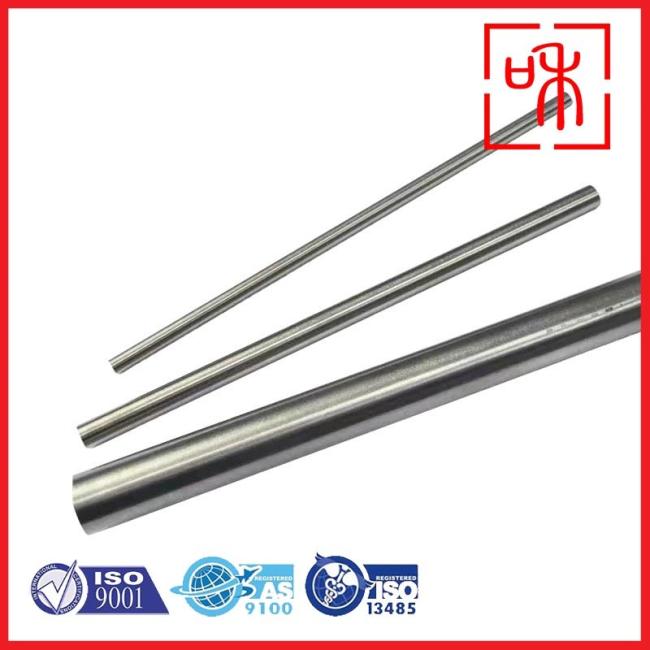
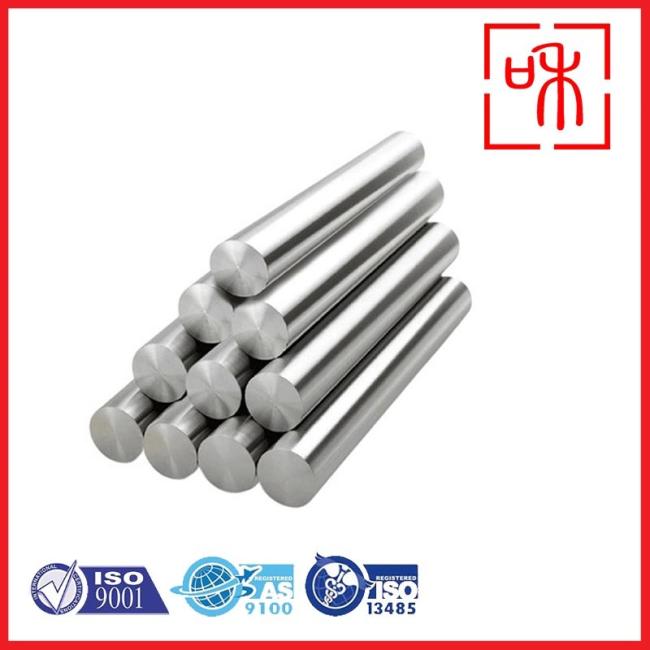
The Role of Grade 3 Titanium Bars in the Medical Industry
Titanium alloys are essential in the medical industry due to their unique properties that meet the stringent requirements of medical applications. Among these, Grade 3 titanium is particularly favored for use in bars for various medical devices and implants. This article explores the characteristics, advantages, and applications of Grade 3 titanium bars, highlighting their importance in patient care and healthcare technologies.
Properties of Grade 3 Titanium
Composition and Mechanical Properties
Grade 3 titanium is a commercially pure titanium alloy, consisting of approximately 99% titanium along with trace amounts of elements like iron and oxygen. This composition results in:
- Strength: With a tensile strength of around 345 MPa and yield strength of approximately 275 MPa, Grade 3 titanium provides a high strength-to-weight ratio, making it suitable for demanding applications.
- Lightweight Nature: Its low density contributes to the overall reduction in weight for medical devices.
- Corrosion Resistance: The alloy forms a protective oxide layer when exposed to air, preventing further oxidation, which is critical for longevity in medical environments.
Biocompatibility
One of the standout features of Grade 3 titanium is its biocompatibility. This property allows implants to integrate seamlessly with human tissue without causing adverse reactions. The purity of the alloy minimizes the risk of allergic responses, making it ideal for long-term implants that interact with body fluids and tissues.
Corrosion Resistance
Grade 3 titanium's corrosion resistance is vital for medical applications. The protective oxide layer formed on its surface effectively prevents degradation when exposed to harsh bodily environments, including various fluids. This resistance ensures the longevity and functionality of medical devices, which is crucial for patient safety and successful outcomes.
Applications in the Medical Industry
The versatility of Grade 3 titanium bars makes them suitable for a wide range of medical applications:
- Dental Implants: Its excellent biocompatibility and ability to osseointegrate enhance stability and longevity in dental procedures.
- Orthopedic Devices: Used in screws, plates, and load-bearing implants, Grade 3 titanium provides the required strength while minimizing weight, supporting healing bones effectively.
- Fixation Devices: Its properties contribute to reliable fixation in various surgical applications, reducing the risk of complications.
Additionally, the smooth surface finish of Grade 3 bars helps reduce bacterial adhesion, which is critical for minimizing infection risks during and after surgeries.
Manufacturing and Customization
The manufacturing processes for Grade 3 titanium bars include forging, machining, and extrusion. These techniques allow for:
- Precision Dimensions: Custom shapes tailored to specific medical needs can be produced.
- Variety of Sizes: Bars can be manufactured in various diameters, such as 12mm, to meet unique anatomical requirements.
Moreover, Grade 3 titanium bars can undergo surface treatments like anodizing and coating. These treatments enhance properties such as wear resistance and reduce friction, further improving their suitability for high-performance medical applications.
Conclusion
Grade 3 titanium bars play a critical role in the medical industry, thanks to their unique properties, including biocompatibility, corrosion resistance, and strength. Their diverse applications in dental and orthopedic devices, combined with advanced manufacturing capabilities, underscore their significance in enhancing patient care and advancing healthcare technologies.
Technical Parameters:
| Name | Material | Shape | Surface | Standards | Grade |
|---|---|---|---|---|---|
| Titanium Bar / Titanium Rod | Titanium Metal Or Alloy | Square, round, Hexagonal | Polished, Sandblasted, Anodized, black, picking Sand-blasting | ASTM B348, ASME SB348, ASTM F67, ASTM F136, AMS4928, AMS2631b | Gr1, Gr2, 3, 4, 5, 9, 12 |
Applications:
Orthopedic implants include artificial joints, metal plates, orthopedic nails, metal orthopedic use rods, intramedullary nails, bone needles, and spinal fixation devices.
Heart medicine implants are also available, such as artificial heart valves, cardiac pacemakers, cardiac catheters and stents within blood vessels.
Ophthalmic implants consist of artificial crystals while dental implants include dental implants, traction nails, nail plant root canal, and internal fixation devices, among others.
Moreover, there are also available filling materials for breast filling, intraocular filling materials, and filling materials in orthopedics.
Get in Touch
Have questions about our products or want to discuss a custom order? Our team is ready to help you.