
Weight Measurement Cable For Coal Loading Control - Load Cell Optimized , High Accuracy Signal , Interference Protected
Weight Measurement Cable for Coal Loading Control – Load Cell Optimized, High Accuracy Signal, Interference Protected
In industries that handle heavy-duty materials like coal, precise weight measurement is essential for process control, safety, and efficiency.
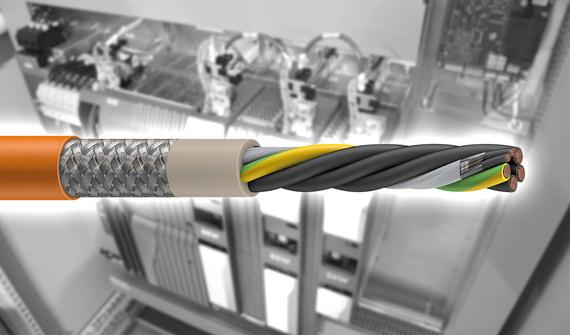
The weight measurement cable for coal loading control plays a critical role in ensuring that the load cell receives a high-accuracy signal, providing real-time weight data that is free from electrical interference.
This product introduction will guide you through the essential aspects of weight measurement cables optimized for load cells, offering insights into their installation, usage, and best practices.
We’ll also highlight how our load cell optimized cables can enhance the precision of your coal loading control systems, ensuring seamless performance in harsh industrial environments.
What is a Weight Measurement Cable for Coal Loading Control?
A weight measurement cable is used to connect the load cell to the weighing system, transmitting the precise weight signals measured by the load cell.
In coal loading control systems, these cables need to be capable of handling high accuracy signals while being shielded from electrical noise and physical damage.
Our load cell optimized cables are specifically engineered to work with load cells in the coal industry, providing the following benefits:
Why is Weight Measurement Important in Coal Loading Control?
Accurate weight measurement in coal loading is crucial for several reasons:
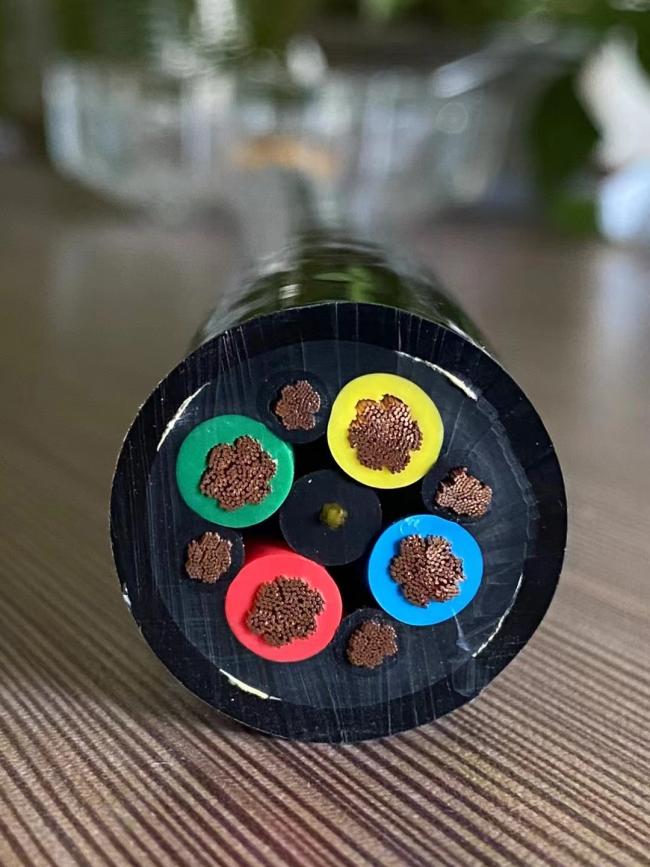
Features of Our Weight Measurement Cable
Our weight measurement cable for coal loading control is designed to meet the rigorous demands of industrial coal handling operations. Here are the key features:
Why Choose Our Weight Measurement Cables?
In the competitive coal industry, where operational downtime can result in significant losses, having a reliable and accurate weight measurement cable is crucial.
Installation of Weight Measurement Cable for Coal Loading Control
Proper installation is essential to ensure that your weight measurement cable operates efficiently and accurately. Here are the key steps to ensure a successful installation:
1. Planning and Preparation
2. Route the Cable
3. Connect the Cable
4. Testing and Calibration
Troubleshooting Common Issues with Weight Measurement Cables
While the installation of our weight measurement cable for coal loading control is designed to be straightforward, there are some common issues that might arise. Here are a few troubleshooting tips:
| Issue | Possible Cause | Solution |
|---|---|---|
| Signal Loss or Distortion | Loose connections or damaged cable | Check all connections and inspect the cable for physical damage. |
| Interference in Signal | Electrical interference from nearby equipment | Ensure the cable is properly shielded and routed away from high-EMI sources. |
| Erratic Weight Readings | Load cell miscalibration or cable damage | Recalibrate the load cell system and check the cable for faults. |
| Cable Wear and Tear | Environmental factors (dust, moisture) | Inspect and replace worn cables; use protective covers or conduits. |
Benefits of Using Our Weight Measurement Cable in Coal Loading Systems
1. Precision and Accuracy
- High-Accuracy Signal: Our cables transmit clear and accurate signals from the load cell, ensuring your coal loading operations are based on reliable data.
- Real-Time Monitoring: Accurate weight measurements allow operators to monitor coal loading in real-time, optimizing productivity and minimizing errors.
2. Reduced Downtime
- Durability: With robust construction and resistance to wear, our cables are built to last, reducing the need for frequent replacements and minimizing downtime.
- Protection from Interference: The interference protection ensures that you won’t experience issues with electrical noise, even in electrically noisy environments, providing a more reliable and consistent operation.
3. Optimized Coal Loading Control
- Efficient Loading: Accurate weight measurement helps ensure that coal is loaded optimally, preventing overloading or underloading of trucks, rail cars, or conveyor systems.
- Compliance: Ensure compliance with industry standards for load accuracy, improving safety and reducing the risk of fines or legal issues.
Applications of Weight Measurement Cable for Coal Loading Control
Our load cell optimized cables are perfect for a wide range of applications within the coal industry, such as:
- Coal Loading and Unloading: Monitor and control the precise amount of coal being loaded onto trucks, barges, or conveyor belts.
- Coal Weighing Systems: Integrated with load cells, our cables provide accurate weight data to coal weighing systems.
- Belt Conveyors: Ensure proper weight measurement on conveyor systems that move coal from one point to another.
- Stockpile Management: Use the cables in combination with load cells to weigh coal as it’s deposited into stockpiles, ensuring inventory is accurately tracked.
Conclusion
In the coal industry, accurate weight measurement is crucial for ensuring smooth operations, optimizing loading processes, and maintaining safety standards. Our weight measurement cables are engineered to provide high-accuracy signals, interference protection, and long-lasting durability, making them ideal for coal loading control systems.
Whether you are installing a new system or upgrading your existing setup, our cables will ensure reliable, precise weight measurements.
By choosing our load cell optimized cables, you are investing in the future of your coal loading operations, ensuring efficiency, safety, and compliance. If you have any questions or need guidance on selecting the right cable for your application, feel free to contact us.
RFQ: Common Questions and Answers
Q1: How can I ensure accurate weight measurement during installation?
Proper installation and calibration are key. Ensure that the weight measurement cable is securely connected to the load cell and control system. After installation, perform a thorough calibration process as outlined by the manufacturer.
Q2: What if I experience signal interference in my system?
Check the cable for physical damage and ensure it is properly shielded. Also, make sure the cable is not running alongside high-EMI sources, like motors or large electrical equipment.


Note: This is just part of the standard parameters of our products. Please contact our Engineer if you need more. And the information contained within this webpage is for guidance only and is subject to change without notice or liability. All dimensions and specifications are nominal and are subject to normal manufacturing tolerances. All pictures shown are for illustration purposes only. The actual product may vary. All the information is provided in good faith and is believed to be correct at the time of publication.
Get in Touch
Have questions about our products or want to discuss a custom order? Our team is ready to help you.