
High-Flex Cable Systems NTSCGECWOEU Advanced Electrical Solutions for Critical Industrial Transportation and Extraction Equipment
High-Flex Cable Systems: NTSCGECWOEU Advanced Electrical Solutions for Critical Industrial Transportation and Extraction Equipment
Executive Summary
High-flex cable systems like the NTSCGECWOEU series are essential in modern industrial applications, especially in critical transportation and extraction industries.
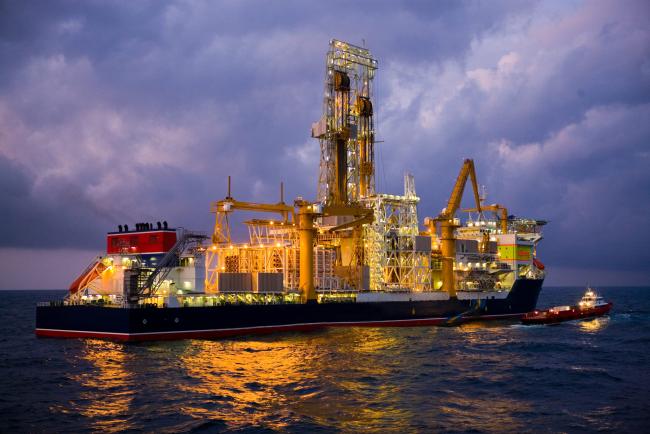
These cables combine advanced material engineering, innovative structural designs, and superior performance characteristics to address complex operational demands. With unmatched durability, flexibility, and reliability, NTSCGECWOEU cables ensure efficient power and data transmission under extreme conditions.
This article explores the technological advancements, applications, and practical benefits of these cables, offering actionable insights for engineers, managers, and safety professionals.
I. Introduction to High-Flex Cable Systems
A. Defining High-Flex Cable Technology
High-flex cables are engineered to endure continuous bending, twisting, and movement without degrading their performance. Key characteristics include:
- Flexibility: Designed to perform in dynamic applications involving constant movement.
- Durability: Resistance to wear, tear, and environmental stressors.
- Efficiency: High electrical conductivity with minimal losses.
Unique structural elements include:
- Multi-layered insulation.
- Advanced reinforcement materials.
- Conductors optimized for mechanical stress.
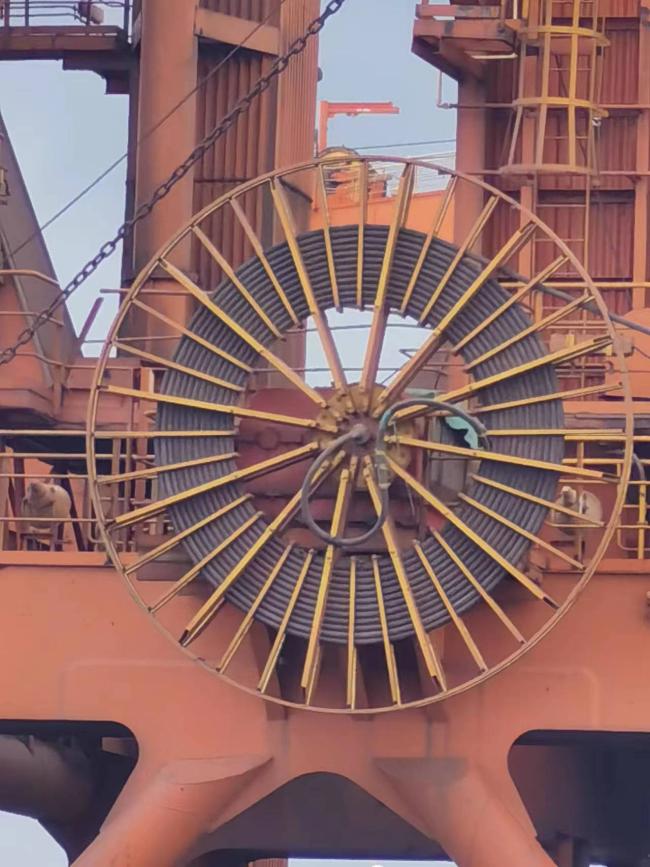
B. Critical Industrial Contexts
Transportation Equipment Requirements
Dynamic machinery like cranes, conveyor systems, and automated guided vehicles (AGVs) rely on high-flex cables for uninterrupted power and control, even under constant movement.
Extraction Industry Challenges
In mining and offshore drilling, cables face harsh environments, requiring features like:
- Abrasion resistance for rough terrains.
- Chemical resistance against oil, saltwater, and other corrosive substances.
- High tensile strength for long-distance power transmission.
II. Technical Specifications and Design Characteristics
A. Material Engineering
| Material Component | Description | Advantages |
|---|---|---|
| Polymer Insulation | High-performance thermoplastic elastomers (TPE) | Provides flexibility and thermal stability. |
| Outer Jacket | Abrasion-resistant polyurethane (PUR) | Protects against physical and chemical damage. |
| Conductor | Fine-stranded copper or copper alloys | Ensures excellent electrical conductivity. |
B. Structural Innovations
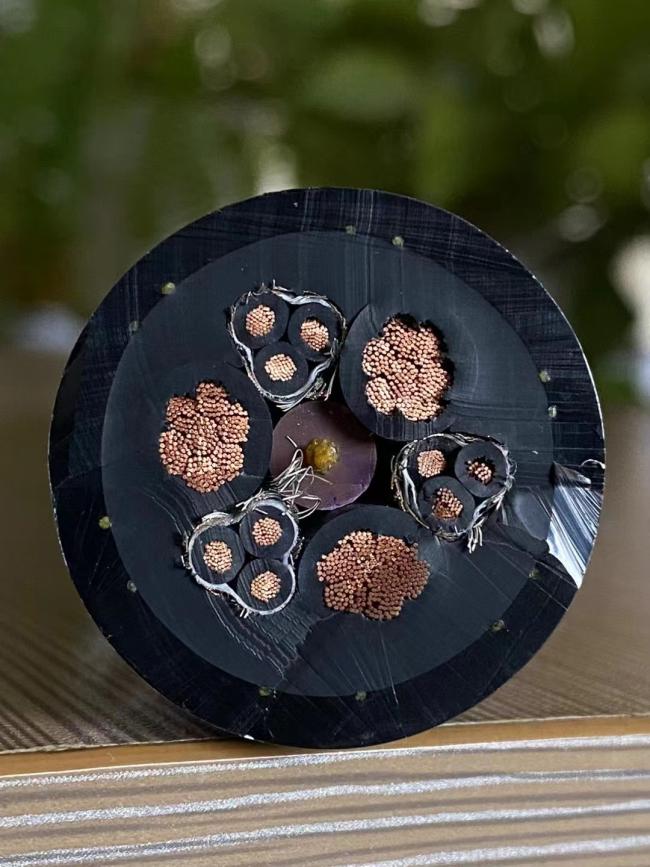
- Multi-Layered Architecture: Reduces electromagnetic interference (EMI) and protects internal components.
- Flexible Core Design: Accommodates continuous bending without breaking.
- Shielding Technologies: Ensures signal integrity in high-frequency applications.
III. Performance Characteristics
A. Mechanical Resilience
| Metric | NTSCGECWOEU Cables | Traditional Cables |
|---|---|---|
| Bend Radius | <5x cable diameter | >10x cable diameter |
| Cyclical Flexing Endurance | Up to 10 million cycles | <1 million cycles |
| Abrasion Resistance | Excellent | Moderate |
B. Electrical Performance
- Signal Integrity: Advanced shielding minimizes EMI for uninterrupted data transmission.
- Power Transmission Efficiency: Conductors with low resistance reduce energy losses.
- Voltage Drop Minimization: Optimized materials ensure steady power delivery over long distances.
IV. Industrial Application Domains
A. Transportation Equipment
Dynamic industrial transport systems demand cables that can withstand constant motion, vibration, and environmental exposure. Key use cases include:
| Application | Cable Feature | Advantage |
|---|---|---|
| Automated vehicles | Low bending radius | Reliable performance in confined spaces. |
| Conveyor systems | Abrasion-resistant jacket | Longer service life under heavy loads. |
| Cranes and lifts | High tensile strength | Smooth operation under extreme stress. |
B. Extraction Industry Solutions
In mining and drilling, NTSCGECWOEU cables excel due to their resilience in challenging environments. Notable applications:
| Environment | Feature | Result |
|---|---|---|
| Offshore drilling | Chemical-resistant materials | Reduced cable degradation. |
| Subsea applications | Waterproof and abrasion-proof | Reliable power in extreme depths. |
| Open-pit mining | High mechanical tolerance | Continuous operation in rugged conditions. |
V. Selection and Implementation Guidelines
A. Technical Specification Criteria
When selecting high-flex cables, consider:
| Parameter | Recommended Value |
|---|---|
| Temperature Range | -40°C to +90°C |
| Voltage Rating | Up to 6kV |
| Bend Radius | <5x cable diameter |
B. Installation Best Practices
- Mounting Techniques: Use cable clamps designed for high-flex applications.
- Routing Strategies: Avoid sharp bends; maintain the specified minimum bend radius.
- Inspection Protocols: Regularly check for wear, especially in high-stress areas.
VI. Comparative Technology Analysis
A. Traditional vs. High-Flex Cable Systems
| Feature | Traditional Cables | NTSCGECWOEU Cables |
|---|---|---|
| Flexibility | Limited | High |
| Durability | Moderate | Superior |
| Service Life | 2-4 years | 6-8 years |
| Cost Efficiency | Lower initial cost | Higher ROI |
B. Emerging Technological Trends
- Self-healing materials: Extend cable longevity by repairing micro-damage automatically.
- Smart monitoring systems: Embedded sensors for real-time performance tracking.
VII. Case Studies and Real-World Applications
A. Successful Implementation Scenarios
Case 1: Mining Operations in Australia
- Problem: Cable failures in high-temperature conditions.
- Solution: Installed NTSCGECWOEU cables with thermal-resistant insulation.
- Result: Downtime reduced by 45%; productivity increased by 20%.
B. Testimonials and Expert Perspectives
<blockquote style="border-left-width: 2px; border-left-color: var(--tw-prose-quote-borders); border-image: initial; box-sizing: border-box; --tw-border-spacing-x: 0; --tw-border-spacing-y: 0; --tw-translate-x: 0; --tw-translate-y: 0; --tw-rotate: 0; --tw-skew-x: 0; --tw-skew-y: 0; --tw-scale-x: 1; --tw-scale-y: 1; --tw-pan-x: ; --tw-pan-y: ; --tw-pinch-zoom: ; --tw-scroll-snap-strictness: proximity; --tw-gradient-from-position: ; --tw-gradient-via-position: ; --tw-gradient-to-position: ; --tw-ordinal: ; --tw-slashed-zero: ; --tw-numeric-figure: ; --tw-numeric-spacing: ; --tw-numeric-fraction: ; --tw-ring-inset: ; --tw-ring-offset-width: 0px; --tw-ring-offset-color: #fff; --tw-ring-color: rgba(69,89,164,.5); --tw-ring-offset-shadow: 0 0 #0000; --tw-ring-shadow: 0 0 #0000; --tw-shadow: 0 0 #0000; --tw-shadow-colored: 0 0 #0000; --tw-blur: ; --tw-brightness: ; --tw-contrast: ; --tw-grayscale: ; --tw-hue-rotate: ; --tw-invert: ; --tw-saturate: ; --tw-sepia: ; --tw-drop-shadow: ; --tw-backdrop-blur: ; --tw-backdrop-brightness: ; --tw-backdrop-contrast: ; --tw-backdrop-grayscale: ; --tw-backdrop-hue-rotate: ; --tw-backdrop-invert: ; --tw-backdrop-opacity: ; --tw-backdrop-saturate: ; --tw-backdrop-sepia: ; --tw-contain-size: ; --tw-contain-layout: ; --tw-contain-paint: ; --tw-contain-style: ; scrollbar-color: var(--main-surface-tertiary) transparent; margin-bottom: 0px; color: rgb(13, 13, 13); font-style: normal; quotes: "“" "" "="" "'"="" "’";="" --tw-border-opacity:="" 1;="" line-height:="" 1.5rem;="" padding-bottom:="" 0.5rem;="" padding-top:="" padding-left:="" 1rem;="" font-family:="" ui-sans-serif,="" -apple-system,="" system-ui,="" "segoe="" ui",="" helvetica,="" "apple="" color="" emoji",="" arial,="" sans-serif,="" ui="" symbol";="" font-size:="" 16px;"="">
"Switching to NTSCGECWOEU cables transformed our operations. Cable failures are now a thing of the past." – Technical Manager, Global Mining Inc.
VIII. Safety and Compliance Considerations
A. Regulatory Standards
| Standard | Compliance |
|---|---|
| ISO 9001 | Yes |
| IEC 60245 | Yes |
| DIN VDE | Yes |
B. Risk Mitigation Strategies
- Preventative Maintenance: Regular inspections to detect wear.
- Emergency Response Plans: Backup power protocols in case of unexpected failures.
IX. Economic and Operational Impact
A. Cost-Benefit Analysis
| Metric | Traditional Cables | NTSCGECWOEU Cables |
|---|---|---|
| Initial Investment | Low | Moderate |
| Maintenance Costs | High | Low |
| Downtime Costs | High | Minimal |
B. Sustainability Considerations
- Recyclable Materials: Reduce environmental impact.
- Energy Efficiency: Lower power losses contribute to sustainable operations.
X. Conclusion and Future Outlook
Key Takeaways
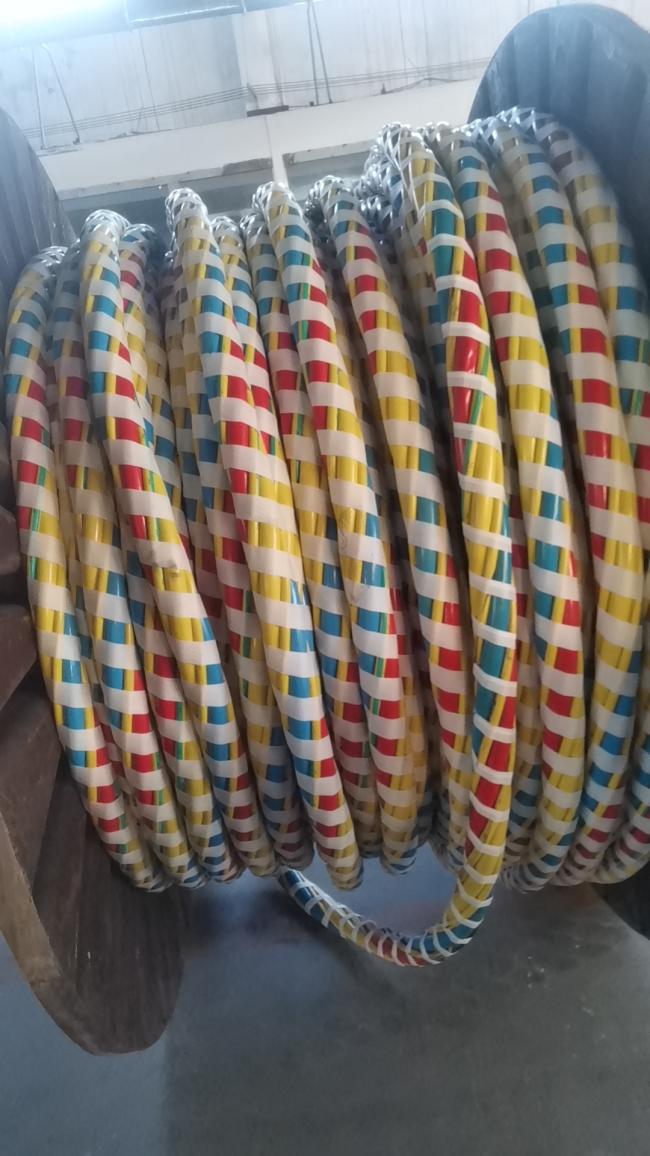
- NTSCGECWOEU high-flex cables outperform traditional systems in flexibility, durability, and efficiency.
- Their advanced design makes them ideal for critical industrial applications, including transportation and extraction.
Future Trends
- Ongoing innovation in material science promises even more durable and efficient cable systems.
- Integration of IoT-enabled monitoring could further enhance operational reliability.


Note: This is just part of the standard parameters of our products. Please contact our Engineer if you need more. And the information contained within this webpage is for guidance only and is subject to change without notice or liability. All dimensions and specifications are nominal and are subject to normal manufacturing tolerances. All pictures shown are for illustration purposes only. The actual product may vary. All the information is provided in good faith and is believed to be correct at the time of publication.
Get in Touch
Have questions about our products or want to discuss a custom order? Our team is ready to help you.