
Next-Generation Winding Cable Technologies NSGAFOEU Optical Fiber Integrated Solutions for Advanced Industrial Mobile Machinery
Next-Generation Winding Cable Technologies: NSGAFOEU Optical Fiber Integrated Solutions for Advanced Industrial Mobile Machinery
Executive Summary
The demands of advanced industrial mobile machinery are evolving rapidly, emphasizing the need for seamless communication and robust power delivery in harsh operational environments.
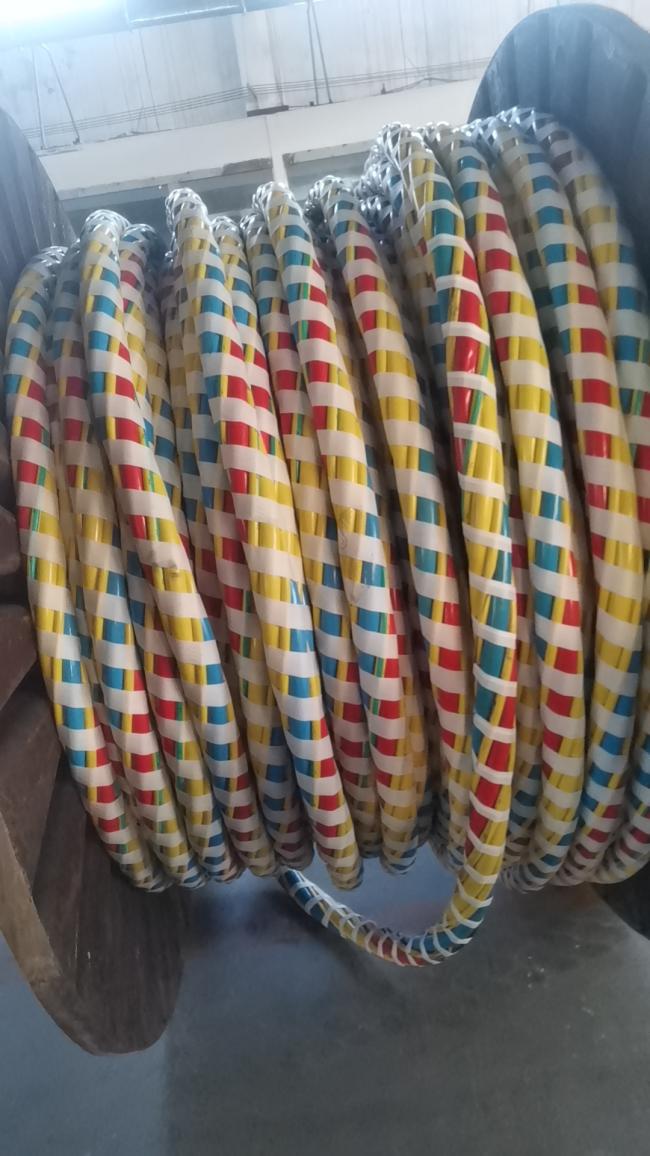
Traditional cables often fail to meet the dual requirements of high-speed data transfer and reliable electrical performance.
The innovative NSGAFOEU optical fiber integrated cable offers a groundbreaking solution. By combining optical and electrical transmission in a single system, it addresses critical challenges, such as signal degradation, electromagnetic interference, and mechanical stress.
This guide highlights the transformative capabilities of NSGAFOEU cables, providing actionable insights for their deployment in industries such as mining, construction, renewable energy, and beyond.
1. Technological Foundations and Industry Context
1.1 Evolving Communication Needs in Industrial Environments
Modern industrial machinery operates in complex, high-demand environments, where reliable data transmission and power delivery are essential. Challenges include:
- High-vibration conditions that cause wear and tear on traditional cables.
- Electromagnetic interference (EMI) that disrupts communication signals.
- Environmental stress, such as extreme temperatures and exposure to corrosive substances.
- The growing need for real-time data transfer to optimize machinery operations.
Traditional cables fall short in:
- Maintaining signal integrity over long distances.
- Handling the simultaneous transmission of power and data.
- Adapting to demanding industrial conditions.
The solution lies in integrated cable technologies, which combine electrical and optical systems to meet the challenges of modern industrial environments.

1.2 NSGAFOEU Technology: A Comprehensive Innovation
The NSGAFOEU cable is designed to bridge the gap between power delivery and data transmission. Its core innovations include:
- Optical Fiber Integration: Provides high-speed, low-latency data transfer.
- Electrical Conductivity Optimization: Ensures consistent power delivery even under heavy loads.
- Multi-Layer Protection: Shields against mechanical stress, EMI, and environmental damage.
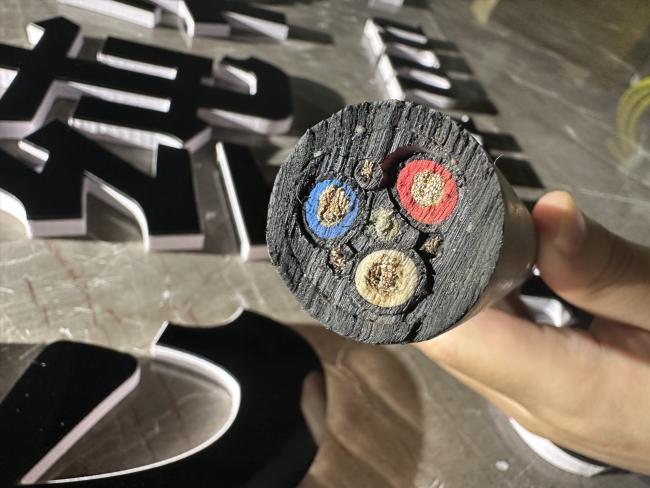
Key Differentiators:
- Combines power and data cables into a single system.
- Offers superior durability and flexibility.
- Enhances overall system reliability and operational efficiency.
2. Advanced Engineering of NSGAFOEU Cable Systems
2.1 Structural and Material Innovations
The NSGAFOEU cable incorporates cutting-edge materials and engineering techniques:
| Feature | Description | Advantage |
|---|---|---|
| Optical Fiber Strands | Integrated fibers for high-speed data transmission | Ensures signal clarity over long distances. |
| Copper Conductors | High-purity, finely stranded copper cores | Maximizes power efficiency and reduces losses. |
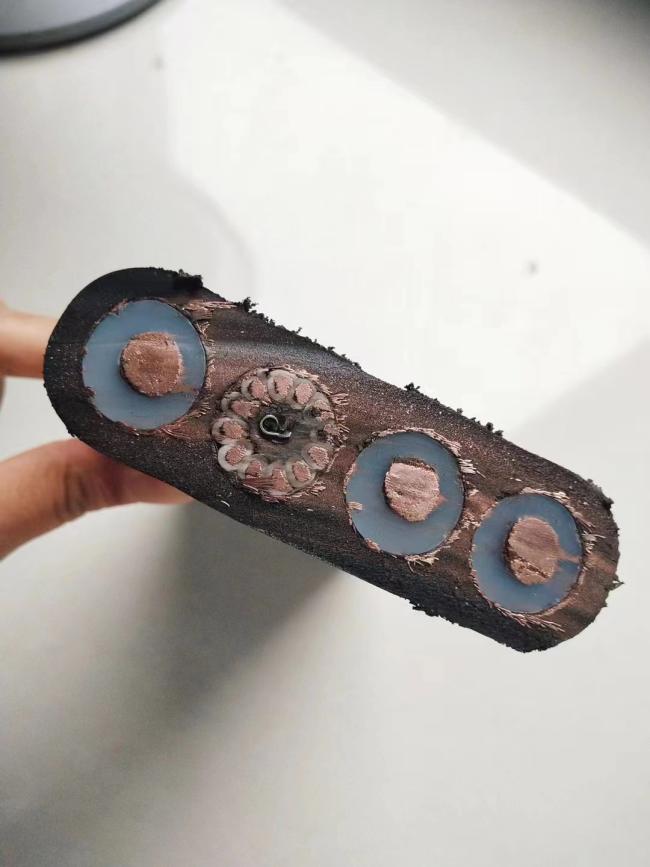
| Protective Layering | Multiple layers of insulation and sheathing materials | Shields against mechanical and environmental damage. |
| Composite Sheathing | Resistant to chemicals, moisture, and abrasion | Increases lifespan in harsh environments. |
These structural innovations ensure the cable meets the demands of advanced mobile machinery.
2.2 Key Technical Characteristics
| Characteristic | Description | Benefit |
|---|---|---|
| Electrical Transmission | High conductivity with minimal resistance | Reliable power supply even under load. |
| Optical Signal Transmission | Bandwidth up to 10 Gbps | Supports real-time data and analytics. |
| Mechanical Durability | Withstands over 1 million bending cycles | Reduced wear in dynamic environments. |
| Thermal Resistance | Operates between -50°C and +125°C | Suitable for extreme temperature applications. |
| EMI Protection | Integrated shielding materials | Ensures signal integrity in noisy environments. |
3. Performance Specification and Technological Benchmarking
3.1 Comprehensive Performance Metrics
| Metric | NSGAFOEU Cable | Traditional Cable |
|---|---|---|
| Electrical Conductivity | 99.8% | 92-95% |
| Data Transmission Speed | Up to 10 Gbps | Typically <1 Gbps |
| Flexibility | Bend radius 5x cable diameter | Bend radius 10x diameter |
| Service Life | 10+ years | 3-5 years |
| Environmental Resistance | Excellent | Moderate |
3.2 Comparative Performance Analysis
Why NSGAFOEU Outperforms Traditional Cables:
- Reduced Downtime: Longer lifespan minimizes replacements.
- Lower Maintenance Costs: Durable materials require less frequent repairs.
- Higher Efficiency: Superior conductivity reduces energy losses.
4. Industrial Application and Deployment Strategies
4.1 Sector-Specific Implementation Scenarios
| Industry | Applications | Key Benefits |
|---|---|---|
| Mining | Conveyor systems, drilling rigs | Durable in abrasive, high-vibration settings. |
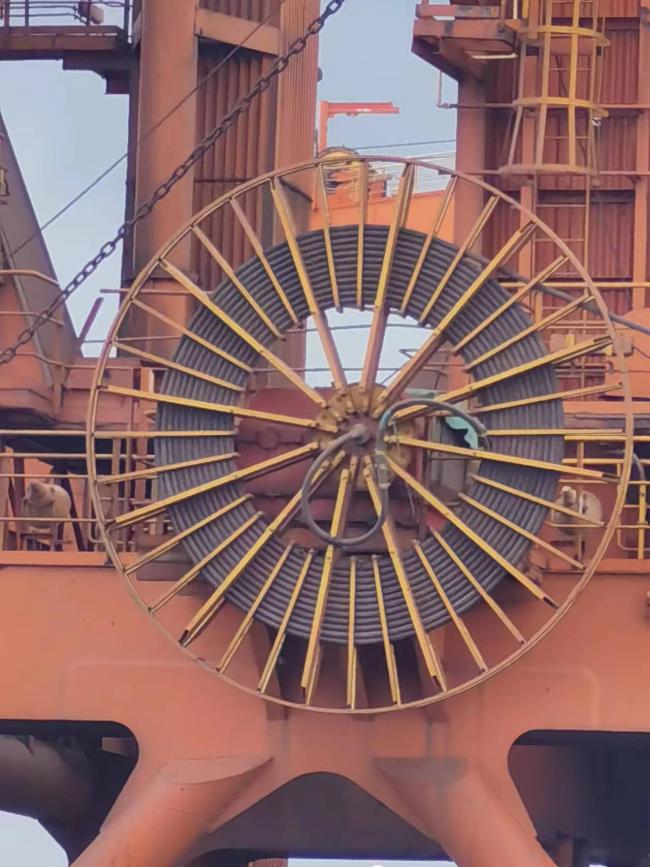
| Construction | Cranes, loaders, and drills | Flexibility for dynamic movements. |
| Renewable Energy | Wind and solar farms | High data transfer for system monitoring. |
| Maritime | Offshore rigs and vessels | Corrosion resistance in saline environments. |
| Aerospace | Ground support equipment | Lightweight and robust for precision tasks. |
4.2 Environment-Specific Configuration Approaches
The NSGAFOEU cable is engineered to adapt to diverse environmental conditions:
- Extreme Temperatures: Insulation materials prevent cracking or melting.
- Vibration-Resistant Design: Ideal for equipment under constant motion.
- Chemical and Corrosion Resistance: Extends lifespan in harsh industrial environments.
- EMI Shielding: Ensures uninterrupted data flow in electrically noisy settings.
5. Advanced Integration and Implementation Protocols
5.1 Installation and Deployment Guidelines
| Step | Best Practice |
|---|---|
| Routing | Use flexible pathways to minimize tension. |
| Mounting | Secure with vibration-dampening clamps. |
| Connection Points | Ensure tight seals for EMI and moisture protection. |
| Stress Management | Employ strain relief techniques at connectors. |
5.2 Diagnostic and Maintenance Frameworks
| Task | Frequency | Objective |
|---|---|---|
| Visual Inspection | Monthly | Identify wear, cracks, or abrasions. |
| Signal Testing | Quarterly | Verify optical and electrical performance. |
| Thermal Imaging | Semi-annually | Detect potential overheating issues. |
| Predictive Maintenance | Annually | Use IoT sensors for performance forecasting. |
6. Economic and Operational Optimization
6.1 Total Cost of Ownership Analysis
| Cost Factor | Traditional Cables | NSGAFOEU Cables |
|---|---|---|
| Initial Investment | Lower | Moderate |
| Operational Efficiency | Moderate | High |
| Maintenance Costs | High | Low |
| Replacement Frequency | Every 3-5 years | 10+ years |
| Total Cost Over 10 Years | High | Low |
6.2 Sustainability and Future-Oriented Approach
- Eco-Friendly Materials: Non-toxic and recyclable components.
- Energy Efficiency: Reduces power losses, contributing to greener operations.
- Extended Lifecycle: Minimizes waste through durability and reliability.
7. Future Technological Trajectory
7.1 Research and Development Horizons
Emerging innovations include:
- AI-Enhanced Monitoring: Predictive diagnostics for cable health.
- Self-Healing Materials: Extending service life through autonomous repair.
- Smart Connectivity: Enabling Industry 4.0 integration.
7.2 Global Technology Convergence
Collaboration across industries is accelerating advancements in integrated cable technologies, shaping the future of industrial connectivity.
8. Strategic Implementation and Technology Adoption
8.1 Professional Selection and Specification Criteria
- Operational Needs: Evaluate data and power requirements.
- Environmental Factors: Consider temperature, EMI, and vibration.
- Long-Term Goals: Align cable choice with future scalability.
8.2 Organizational Capability Development
- Training Programs: Equip teams with installation and maintenance skills.
- Roadmap Development: Plan phased implementation for minimal disruption.
Conclusion: Revolutionizing Industrial Connectivity
The NSGAFOEU optical fiber integrated cable represents the next generation of winding cable technologies, addressing the critical challenges of industrial machinery while enabling reliable, high-speed communication.
With its innovative design and proven performance, it sets a new standard for industrial cable solutions.


Note: This is just part of the standard parameters of our products. Please contact our Engineer if you need more. And the information contained within this webpage is for guidance only and is subject to change without notice or liability. All dimensions and specifications are nominal and are subject to normal manufacturing tolerances. All pictures shown are for illustration purposes only. The actual product may vary. All the information is provided in good faith and is believed to be correct at the time of publication.
Get in Touch
Have questions about our products or want to discuss a custom order? Our team is ready to help you.