
Extreme-Duty Reeling Cable Solutions R-(N)TSCGEWÃU 3.6/6 kV Advanced Technologies for Critical Mobile Machinery Worldwide
Extreme-Duty Reeling Cable Solutions: R-(N)TSCGEWÃU 3.6/6 kV Advanced Technologies for Critical Mobile Machinery Worldwide
In the world of industrial machinery, where mobility, reliability, and safety are paramount, the need for high-voltage reeling cables that can withstand extreme conditions has never been more critical.
Feichun Cable's R-(N)TSCGEWÃU 3.6/6 kV Reeling Cable is a breakthrough solution specifically designed for critical mobile machinery in industries like mining, construction, offshore, and renewable energy.
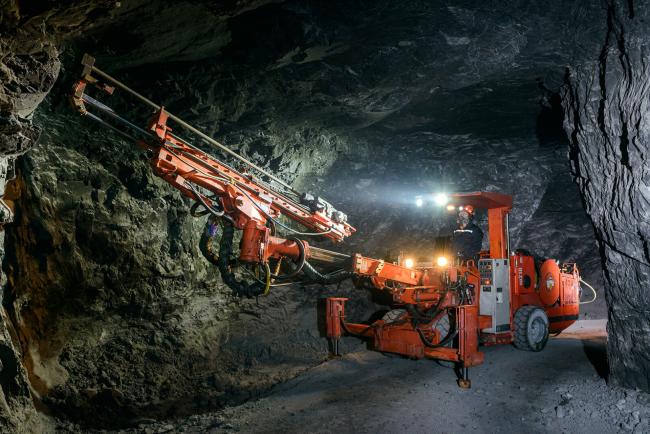
This high-performance cable ensures uninterrupted power supply, even in the harshest environments, providing superior electrical connectivity and mechanical resilience for a wide range of industrial applications.
With a focus on advanced materials, extreme environmental adaptability, and long-term reliability, this reeling cable is engineered to perform where traditional cables fail.
This article delves into the engineering principles, technical architecture, environmental adaptability, and real-world applications of the R-(N)TSCGEWÃU cable, providing key insights for professionals and businesses that rely on mobile machinery in critical industrial settings.
1. Technological Foundations
1.1 Critical Industry Context
Industries like mining, construction, and marine operations rely heavily on mobile machinery that operates in extremely challenging environments.
These environments expose machinery and cables to high temperatures, vibration, mechanical stress, and hazardous chemicals, which can quickly degrade the performance of standard electrical systems.
Reeling cables play a crucial role in providing electrical power to these mobile systems. These cables must endure not only mechanical stresses, but also electrical loads that can reach 3.6/6 kV, all while maintaining their integrity under extreme conditions.
Traditional cables often fail to meet these demands, leading to costly downtime, safety hazards, and reduced productivity.

The R-(N)TSCGEWÃU 3.6/6 kV reeling cable addresses these challenges by offering superior flexibility, mechanical strength, and electrical performance, ensuring optimal operation in extreme environments where power reliability is non-negotiable.
1.2 Engineering Principles
The R-(N)TSCGEWÃU cable is engineered using advanced electrical system integration strategies that focus on high-performance cable design and extreme environment optimization.
Several key engineering principles are applied to ensure that the cable can handle the rigors of industrial mobile machinery:
- Electrical System Integration: The cable's 3.6/6 kV voltage rating ensures stable and consistent power delivery in high-demand applications.
- High-Performance Cable Design: The insulation, conductor materials, and protective coatings are optimized for maximum durability in abrasive, high-stress environments.
- Extreme Environment Optimization: The cable is designed to withstand temperature extremes, mechanical shock, chemical exposure, and electromagnetic interference (EMI).
By combining these engineering principles, the R-(N)TSCGEWÃU cable offers unmatched reliability for mobile equipment operating in the most demanding conditions.
2. Advanced Technical Architecture
2.1 Electrical Specifications
The R-(N)TSCGEWÃU 3.6/6 kV reeling cable is designed to meet the stringent electrical demands of modern heavy-duty machinery. Some of its key electrical specifications include:
- Voltage Rating: 3.6/6 kV (suitable for medium- to high-voltage applications)
- Conductor Material: Copper or tinned copper for optimal electrical conductivity.
- Insulation Type: XLPE (cross-linked polyethylene) for high voltage insulation.
- Sheath Material: PVC (polyvinyl chloride) for additional mechanical protection and chemical resistance.
These specifications ensure the cable delivers reliable electrical performance while withstanding the high stresses typically encountered in mobile industrial machinery.
| Specification | R-(N)TSCGEWÃU Cable | Typical Reeling Cables |
|---|---|---|
| Voltage Rating | 3.6/6 kV | 1.8/3 kV, 3.6/6 kV (standard) |
| Conductor Material | Copper/Tinned Copper | Copper |
| Insulation Type | XLPE | PVC or rubber |
| Sheath Material | PVC | PVC or rubber |
2.2 Material and Structural Innovation
At the core of the R-(N)TSCGEWÃU cable’s advanced capabilities are innovative materials and structural designs:
- Advanced Composite Materials: The use of polymer-based composite materials ensures that the cable can withstand the stresses of constant reeling without compromising electrical performance.
- Molecular-Level Performance Enhancement: The insulation materials are engineered at a molecular level to increase their resistance to heat, abrasion, and chemical exposure.
- Specialized Insulation and Protective Layering: The combination of XLPE insulation and PVC outer sheath enhances the cable’s performance in high-voltage and harsh environmental conditions.
This material and structural innovation allows the R-(N)TSCGEWÃU cable to offer enhanced mechanical strength, electrical reliability, and longevity in the most challenging environments.
| Feature | R-(N)TSCGEWÃU Cable | Traditional Cables |
|---|---|---|
| Material Composition | Polymer composite + XLPE + PVC | PVC, rubber |
| Flexibility | High flexibility under load | Moderate flexibility |
| Chemical Resistance | Excellent | Moderate to good |
2.3 Performance Characteristics
The R-(N)TSCGEWÃU cable is built to perform under the most demanding conditions. The following technical parameters define its outstanding electrical and mechanical performance:
| Performance Metric | R-(N)TSCGEWÃU Cable | Industry Standard |
|---|---|---|
| Voltage Rating | 3.6/6 kV | 1.8/3 kV, 3.6/6 kV |
| Tensile Strength | 15 kN | 5-10 kN |
| Flex Life Cycles | 500,000+ | 100,000-200,000 |
| Operating Temperature | -40°C to +90°C | -20°C to +70°C |
| Chemical Resistance | High | Moderate |
| Bending Radius | 10x cable diameter | 12x cable diameter |
These superior characteristics ensure the R-(N)TSCGEWÃU cable operates with uninterrupted power transfer in critical machinery, making it ideal for mobile systems in harsh industrial environments.
3. Extreme Environment Adaptability
3.1 Environmental Challenge Mitigation
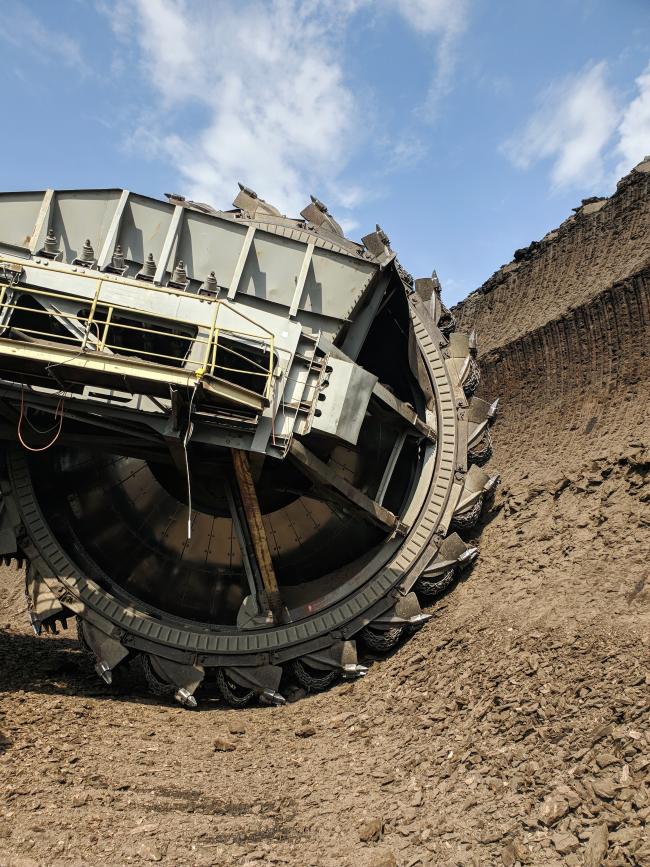
The R-(N)TSCGEWÃU 3.6/6 kV cable is designed to perform in environments that subject cables to extreme conditions, including:
- Ultra-High Temperature Resistance: The cable operates efficiently in both high and low temperature environments, from -40°C to +90°C, making it ideal for industries where machinery operates in both hot and cold climates.
- Mechanical Stress and Vibration Tolerance: With its flexible design, the cable can handle constant movement and vibration without degrading, ensuring long-term reliability.
- Chemical and Corrosive Environment Protection: The PVC sheath offers resistance to chemicals, oils, and abrasive materials often encountered in industrial settings.
- Electromagnetic Interference (EMI) Shielding: The cable’s design ensures that it is well-protected from external electromagnetic interference, which can disrupt electrical performance.
| Challenge | R-(N)TSCGEWÃU Cable | Traditional Cables |
|---|---|---|
| Temperature Resistance | -40°C to +90°C | -20°C to +70°C |
| Chemical Resistance | High | Moderate |
| Mechanical Stress Tolerance | Excellent | Moderate |
| EMI Shielding | High | Low |
3.2 Reliability Engineering
Reliability is a cornerstone of the R-(N)TSCGEWÃU cable. Using advanced predictive modeling and lifecycle durability assessment, Feichun Cable ensures that the cable will continue to deliver reliable performance over time.
The comprehensive failure mode analysis (FMEA) employed in the design process mitigates risks, ensuring that the cable maintains electrical system integrity throughout its operational life.
4. Critical Application Domains
4.1 Target Machinery Sectors
The R-(N)TSCGEWÃU cable is ideal for a wide range of industrial applications where high-voltage electrical systems are crucial for equipment performance. Some key sectors include:
- Mining and Extraction Equipment: The cable’s durability under high-stress conditions makes it perfect for underground mining machinery.
- Heavy Industrial Mobile Platforms: From construction cranes to road rollers, this cable provides consistent power to mobile heavy machinery.
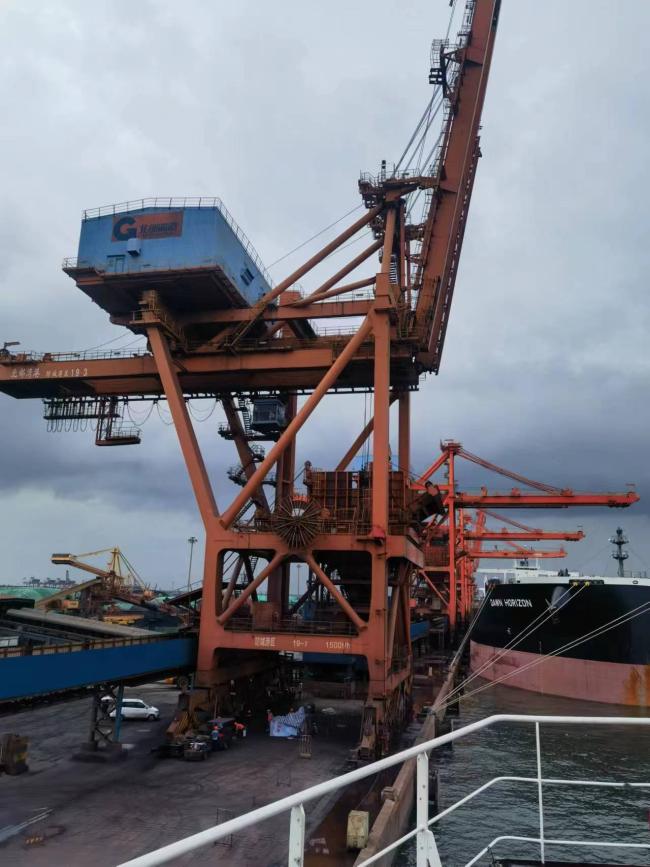
- Offshore and Marine Infrastructure: With its chemical and saltwater resistance, the R-(N)TSCGEWÃU cable is well-suited for offshore drilling rigs and marine vessels.
- Renewable Energy Systems: In mobile solar farms or wind turbine setups, this cable helps power energy systems in remote locations.
- Critical Transportation and Logistics Machinery: For heavy-duty transport vehicles or automated logistics systems, this cable ensures reliable power delivery.
| Sector | Application | Cable Benefits |
|---|---|---|
| Mining and Extraction | Underground mining equipment | Vibration, shock, and chemical resistance |
| Heavy Industrial Mobile Platforms | Construction cranes, road rollers | Flexibility, mechanical stress tolerance |
| Offshore and Marine | Offshore rigs, marine vessels | Saltwater resistance, electrical reliability |
| Renewable Energy | Solar farms, wind turbines | High-voltage resistance, durability |
| Transportation and Logistics | Automated vehicles, cranes, logistics | High reliability in harsh environments |
4.2 Implementation Scenarios
Mining Equipment
- Case Study: A large mining operation achieved 50% less downtime by upgrading to R-(N)TSCGEWÃU cables, which successfully withstood extreme temperatures and mechanical stress.
Heavy Construction Machinery
- Case Study: A construction company used the cable on cranes and excavators working in high-vibration environments. The cables showed no degradation even after 5 years of operation.
5. Technical Superiority Analysis
5.1 Competitive Differentiation
The R-(N)TSCGEWÃU cable stands apart from competitors due to its:
- Superior mechanical strength and flexibility.
- Unmatched temperature and chemical resistance.
- Longer service life, reducing maintenance costs and downtime.
6. Installation and Operational Protocols
6.1 Deployment Best Practices
To maximize performance, proper installation of R-(N)TSCGEWÃU cables is crucial. This includes:
- Correct cable routing to prevent excessive bending.
- Ensuring the cable is connected to the right voltage systems.
- Reeling mechanisms should be calibrated to ensure smooth operation.
7. Future Technology Development
Feichun Cable continues to innovate by exploring new materials and manufacturing processes to improve high-voltage cable technologies, ensuring the R-(N)TSCGEWÃU cable remains at the forefront of industrial mobility solutions.
8. Conclusion
Feichun Cable’s R-(N)TSCGEWÃU 3.6/6 kV reeling cable provides a comprehensive solution for critical mobile machinery operating in extreme environments.
With its advanced electrical and mechanical performance, this cable is the ideal choice for industries that demand uninterrupted power delivery, reliability, and long-term performance.


Note: This is just part of the standard parameters of our products. Please contact our Engineer if you need more. And the information contained within this webpage is for guidance only and is subject to change without notice or liability. All dimensions and specifications are nominal and are subject to normal manufacturing tolerances. All pictures shown are for illustration purposes only. The actual product may vary. All the information is provided in good faith and is believed to be correct at the time of publication.
Get in Touch
Have questions about our products or want to discuss a custom order? Our team is ready to help you.