
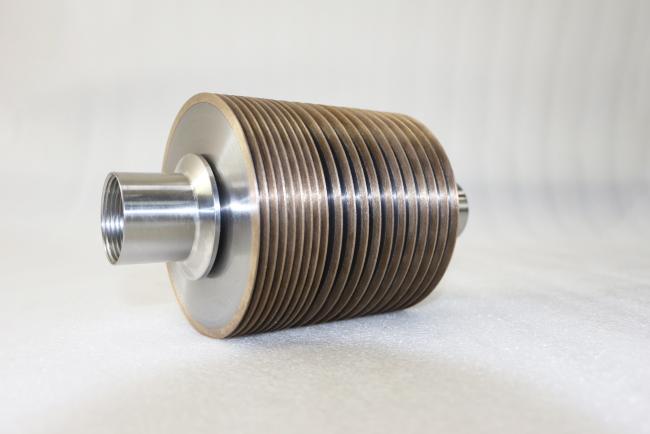
Circular Tungsten Carbide Paper Cutting Blades 230mm*110mm*1.1mm
Circular Tungsten Carbide paper cutting blades 230mm*110mm*1.1mm
Description:
The common materials used for industrial blades include:
1,High-Carbon Steel
- Characteristics: Excellent hardness and edge retention
- Used for cutting applications requiring durability
2,Stainless Steel
- Characteristics: Corrosion-resistant, maintains sharpness
- Ideal for food processing, pharmaceutical, and chemical industries
3,Tool Steel
- Characteristics: Extremely hard and wear-resistant, can withstand high-impact
- Used in heavy-duty cutting and machining operations
4,Ceramic
- Characteristics: Very hard, maintains sharpness, lightweight, corrosion-resistant
- Suitable for cutting non-metallic materials, chemical-resistant applications
5,Tungsten Carbide
- Characteristics: Exceptional hardness and longevity, resistant to wear and high temperatures
- Used in high-precision cutting applications like metalworking and woodworking
6,Composite Materials
- Characteristics: Combination of materials for enhanced durability and weight reduction
- Used in specialized applications where performance and weight need to be balanced
7,Plastic/Polymer
- Characteristics: Lightweight, resistant to certain chemicals
- Used for blades in light-duty cutting tasks or where safety is a concern
Industrial Blade Specifications:
| Product name | Paper Cutting Blades |
| Material | Tungsten Carbide |
| Hardness | HRC60-66 |
| Precision | ±20 Micron |
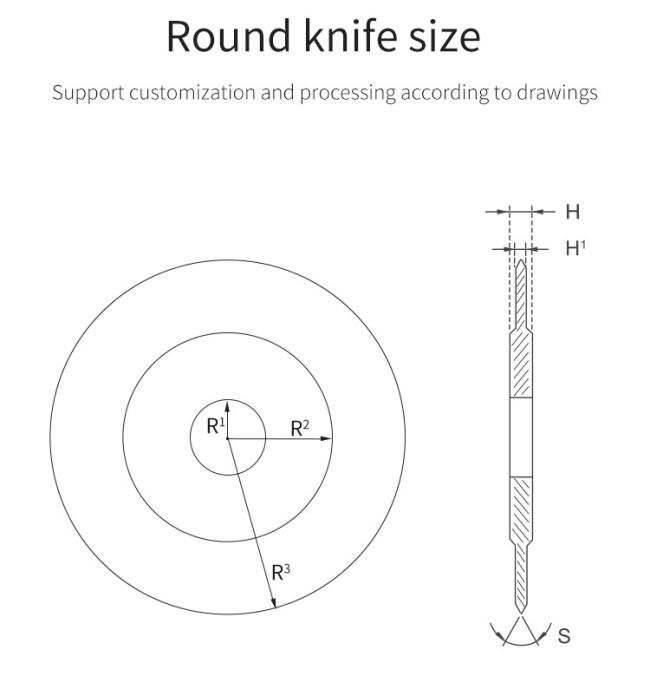
| OD | 230mm |
| ID | 110mm |
| Thickness | 1.1mm |
| Applicable Industries | Manufacturing Plant |
Industrial paper cutting blades come in a variety of shapes and profiles to meet the specific requirements of different cutting applications. Here are some of the common blade shapes used in industrial paper cutting:
1,Circular Blades:
- Circular or rotary blades are the most common shape for industrial paper cutting.
- They come in various diameters, from small desktop cutters to large-scale industrial shears and slitters.
- Circular blades are well-suited for continuous, high-speed cutting of paper, cardboard, and other sheet materials.
2,Straight Blades:
- Straight or linear blades are used in guillotine-style paper cutters and trimming machines.
- They are available in different lengths to accommodate varying cutting widths.
- Straight blades are often used for precise, clean cuts on thick stacks of paper or other materials.
3,Serrated Blades:
- Serrated or toothed blades have a saw-like edge, which can be useful for cutting through certain materials like corrugated cardboard or tough fabrics.
- The serrated edge helps grip the material and prevent tearing or fraying during the cutting process.
- Serrated blades are commonly found in industrial paper slitters, fabric cutters, and specialized cutting machines.
4,Beveled Blades:
- Beveled blades have a sharpened, angled edge that can provide a clean, precision cut.
- The bevel angle can be adjusted to optimize the cutting performance for different materials and applications.
- Beveled blades are often used in high-quality paper cutting machines, label cutters, and specialized packaging equipment.
5,Perforating Blades:
- Perforating blades have a series of small, sharp teeth or points along the cutting edge.
- They are designed to create a line of small, evenly spaced perforations or perforated lines in the material being cut.
- Perforating blades are used in applications where easy tearing or separation of the material is required, such as in ticket printing, packaging, and label making.
6,Specialty Blade Shapes:
- In addition to the common blade shapes, some industrial paper cutting applications may require specialized or custom-designed blade geometries.
- These can include curved blades, shaped blades for intricate cutting patterns, or blades with specific edge profiles for unique material requirements.
Picture:
Size:
Applications:
Packing:
Get in Touch
Have questions about our products or want to discuss a custom order? Our team is ready to help you.