
120Mm*55Mm*2Mm Industrial Cutting Knife Blade Good Performance Printing Cutting
120Mm*55Mm*2Mm Industrial Cutting Knife Blade With Good Performance Printing Cutting
Description:
Here are the typical applications for the various industrial blade materials:
1,High-Carbon Steel:
- Heavy-duty cutting and slicing applications
- Woodworking and construction tools
- General purpose industrial knives and blades
2,Stainless Steel:
- Food processing and packaging
- Pharmaceutical and medical equipment
- Chemical processing industries
- Corrosive or wet environments
3,Tool Steel:
- Metalworking and machining
- Stamping and punching tools
- Shearing and cutting of thick, hard materials
4,Ceramic:
- Cutting of non-metallic materials like plastics, composites, and glass
- Food processing applications requiring chemical resistance
- Medical and surgical instruments
5,Tungsten Carbide:
- High-precision cutting of metals, wood, and other hard materials
- Woodworking tools like saw blades and router bits
- Metalworking tools like milling cutters and drill bits
6,Composite Materials:
- Specialty applications requiring a balance of weight, strength, and corrosion resistance
- Aerospace and transportation industries
- Certain food processing and packaging environments
7,Plastic/Polymer:
- Light-duty cutting and slicing tasks
- Applications where lightweight and safety are prioritized
- Food service and retail environments
Industrial Blade Specifications:
| Product name | Industrial Cutting Knife Blade |
| Material | Tool Steel |
| Hardness | HRC48-68 |
| Precision | ±30 Micron |
| Length | 120mm |
| Width | 55mm |
| Thickness | 2mm |
| Applicable Industries | Manufacturing Plant |
When selecting an industrial blade material for a specific application, there are several key factors to consider:
1,Hardness and Wear Resistance:
- The blade material needs to maintain its sharpness and cutting edge for the required lifespan.
- Harder materials like tool steel and tungsten carbide offer superior wear resistance.
2,Toughness and Impact Resistance:
- The blade should be able to withstand the forces and impacts associated with the cutting application.
- Materials like high-carbon steel and tool steel excel in this area.
3,Corrosion Resistance:
- For applications in wet, chemical, or food processing environments, corrosion resistance is crucial.
- Stainless steel and ceramic blades are well-suited for corrosive conditions.
4,Thermal Stability:
- Some applications may involve exposure to high temperatures, which can affect the blade's performance.
- Tungsten carbide and ceramic blades have excellent thermal stability.
5,Weight and Ergonomics:
- For handheld tools, the weight of the blade can impact user comfort and fatigue.
- Lightweight materials like ceramic and polymer-based blades can improve ergonomics.
6,Cost and Availability:
- The budget and supply chain constraints may influence the choice of blade material.
- Stainless steel and high-carbon steel are often more cost-effective than specialized materials.
7,Application-Specific Requirements:
- Factors like the workpiece material, cutting speed, precision, and safety needs should be considered.
- For example, ceramic blades may be preferred for cutting non-metallic materials.
Picture:

Size:

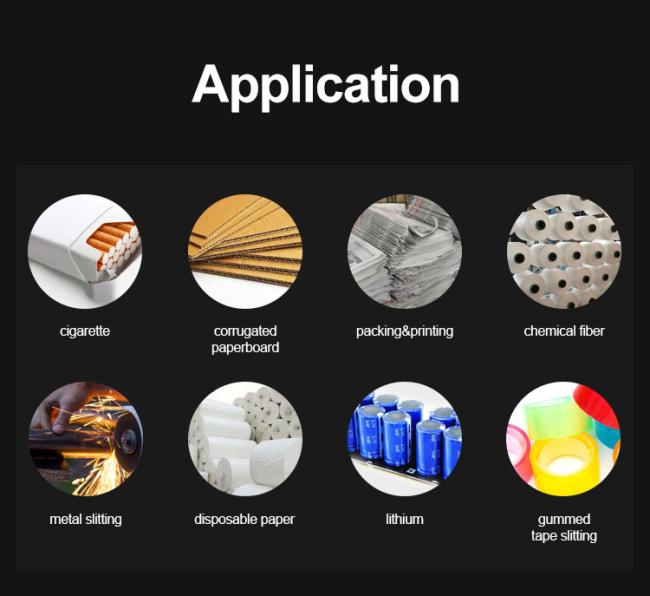
Applications:
Packing:

Get in Touch
Have questions about our products or want to discuss a custom order? Our team is ready to help you.