
High Speed Stainless Steel Material Steel Fan Blades Highly Resistant
Price:
Can be discussed
MOQ:
MOQ 10 Pieces
Delivery Time:
30 days
Brand:
Seton
Product Description
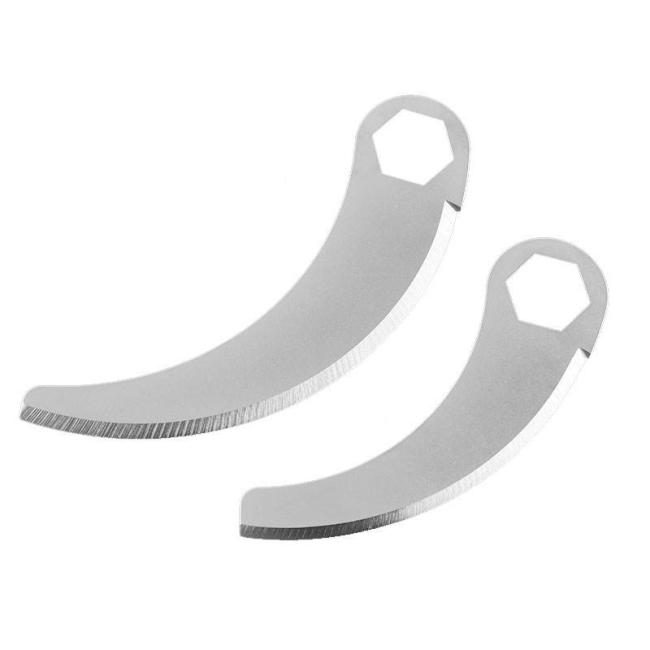
High Speed Stainless Steel Material Steel Fan Blades Highly Resistant
Description:
Overview of High-Speed Stainless Steel Industrial Blades
1. Definition
- High-speed stainless steel industrial blades are cutting tools designed for efficient machining and cutting applications, made from high-speed steel (HSS) combined with stainless steel properties.
2. Material Characteristics
- High-Speed Steel (HSS): Composed of alloying elements such as tungsten, molybdenum, and chromium, providing exceptional hardness and wear resistance.
- Stainless Steel Properties: Offers corrosion resistance, making these blades suitable for various environments, particularly in food processing and other industries where hygiene is critical.
3. Properties
- Hardness: Maintains hardness at elevated temperatures, allowing for high-speed cutting without losing performance.
- Wear Resistance: Designed to withstand abrasion, ensuring longevity and reducing the need for frequent replacements.
- Toughness: Provides a balance between hardness and toughness, allowing the blade to absorb shock without chipping.
4. Applications
- Metal Cutting: Widely used in machining processes for cutting metals, including steel and aluminum.
- Woodworking: Employed in saws and router bits for cutting various wood types.
- Food Processing: Suitable for slicing meat, poultry, and other food products due to its hygienic properties.
5. Advantages
- Efficiency: High-speed capabilities allow for faster cutting speeds, improving productivity in industrial applications.
- Versatility: Can be used in a variety of cutting tasks across different materials.
- Precision: Provides clean, accurate cuts, enhancing the quality of the finished product.
6. Maintenance
- Regular cleaning and proper storage are crucial to maintaining blade performance. Periodic sharpening may be necessary to keep the edges sharp.
7. Safety Considerations
- Always use personal protective equipment (PPE) and follow safety protocols when operating machinery with high-speed stainless steel blades.
Industrial Blade Specifications:
| Product name | Steel Fan Blades |
| Material | High Speed Stainless Steel |
| Hardness | HRC54-66 |
| Precision | ±25 Micron |
| Length | 138.6mm |
| ID | 82.5mm |
| Thickness | 4.8mm |
| Applicable Industries | Manufacturing Plant |
Here are the best practices for sharpening high-speed stainless steel blades:
1. Use the Right Tools
- Sharpening Stones: Use high-quality sharpening stones (whetstones) with appropriate grit levels for metal.
- Diamond Files: Consider using diamond files for precision sharpening, especially for intricate blade designs.
- Professional Sharpeners: For complex blades, using a professional sharpening service may be beneficial.
2. Maintain the Correct Angle
- Consistent Angle: Sharpen the blade at the manufacturer-recommended angle, usually between 15 to 30 degrees, depending on the blade type.
- Guides: Use angle guides or jigs if available to maintain consistency.
3. Clean the Blade
- Remove Residues: Before sharpening, clean the blade to remove any dirt, oil, or debris that could interfere with the sharpening process.
4. Sharpen Evenly
- Alternating Sides: Sharpen each side of the blade evenly to maintain balance and avoid creating a crooked edge.
- Light Pressure: Use light, consistent pressure while sharpening to avoid removing too much material.
5. Check for Burrs
- Inspect the Edge: After sharpening, check for burrs (small raised edges) along the blade. Remove these with a finer sharpening stone or honing.
6. Honing After Sharpening
- Use a Honing Rod: After sharpening, use a honing rod to realign the edge, ensuring a smoother finish and better cutting performance.
7. Test the Sharpness
- Paper Test: Conduct a paper test by slicing through a piece of paper. A sharp blade should cut cleanly without tearing.
- Visual Inspection: Look for uniformity along the edge; any irregularities may indicate the need for further sharpening.
8. Regular Maintenance
- Frequency: Regularly sharpen blades based on usage to maintain optimal sharpness and performance.
- Storage: Store blades properly in protective sheaths or cases to prevent dulling and damage.
Picture:
Production process:

Packing:

Similar Products
Get in Touch
Have questions about our products or want to discuss a custom order? Our team is ready to help you.
Company
Jiangsu Seton Industrial Technology Co,.Ltd
Location
No.99 Furong Mid Three Road,Xishan Economic Development Zone.Wixi.
Contact Person
Alen