
Conductive Silver Ink Printing Custom Membrane For WIFI Telecommunication Device
Conductive Silver Ink Printing Custom Membrane For WIFI Telecommunication Device
Steps to Create a Custom Membrane
-
Design Preparation
- CAD Software: Use computer-aided design (CAD) software to create the layout of the membrane, including the conductive paths, component placements, and any necessary cutouts.
- File Format: Export the design in a suitable format (e.g., SVG, DXF) for printing.
-
Material Selection
- Substrate: Choose a flexible substrate that is compatible with the silver ink, such as PET (polyethylene terephthalate) or paper.
- Conductive Ink: Use high-quality silver ink designed for printing electronic circuits. Ensure it has good conductivity and adhesion properties.
-
Printing Process
- Screen Printing or Inkjet Printing: Depending on the complexity of the design, choose either screen printing for larger runs or inkjet printing for intricate designs.
- Layering: Apply multiple layers if needed to achieve the desired thickness and conductivity.
-
Curing
- Drying: Cure the printed ink according to the manufacturer’s specifications. This may involve using heat or UV light to ensure the ink adheres properly and maintains conductivity.
-
Assembly
- Component Placement: Integrate any electronic components (e.g., resistors, capacitors) onto the printed membrane.
- Connections: Ensure proper connections between the conductive paths and components.
-
Testing
- Electrical Testing: Verify the conductivity and functionality of the printed membrane with multimeters or circuit testers.
- Performance Testing: Check the overall performance of the membrane in the Wi-Fi device to ensure it meets the required specifications.
-
Finalization
- Encapsulation: Optionally, encapsulate the membrane for protection against environmental factors.
- Integration: Install the membrane in the telecommunication device.
Considerations
- Design Complexity: Ensure your design is optimized for the printing method chosen.
- Ink Properties: Research the specific conductive silver ink you plan to use, as different inks may have varying properties.
- Regulatory Compliance: Make sure your design complies with local regulations regarding telecommunications devices.
Specification:
1)Material (for front or face overlay)
Polyester:
1.Highly versatile for embossing
2.Highly resistant to chemicals
3.Better durability
4.For internal and external use, UV resistance
Polycarbonate:
1.Different surface(Glossy, Matt) and thickness(From 0.12mm~2mm)
2. cost-effective in price
3.For internal and external use
2) Embossing
Rim embossing/pillow embossing/dimple embossing
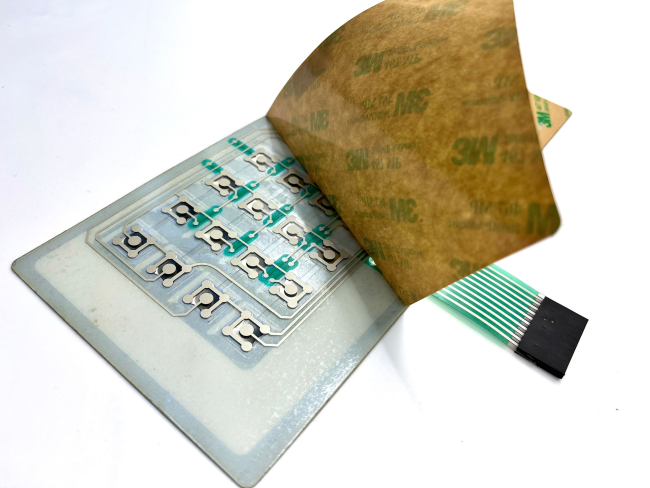
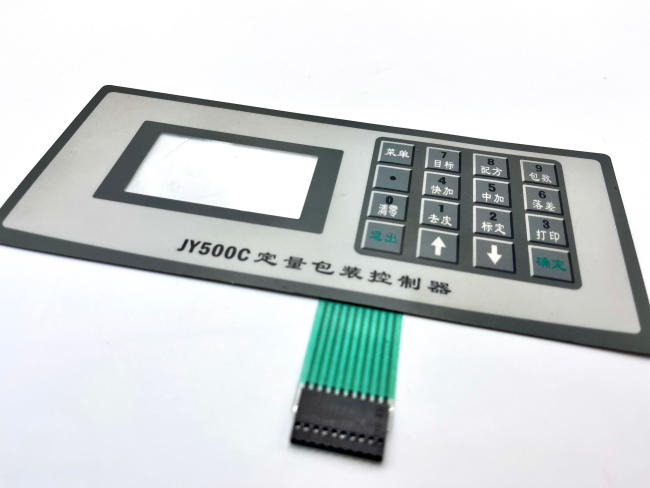
Graphic overlays can be embossed in order to insert domes/LED, leave space for mechanical keys/LED and provide tactile indications and better tactile feeling.
3)Windows(for display function)
1. print different colors windows, As transparent grey/Red/green window for display
2. Clear/Transparent window for LCD display
2. Matt/semi-transparent window for LED
4)Keys/buttons
Tactile keys---with metal dome or poly dome
Non-tactile--silver printing dots with flat key
5) Embeded LEDs
Small, brilliant lights only about 0.02’’ in height. Avaliable in several vibrant colors.
LED colors: white, yellow, orange, green, red, or double colors LED.
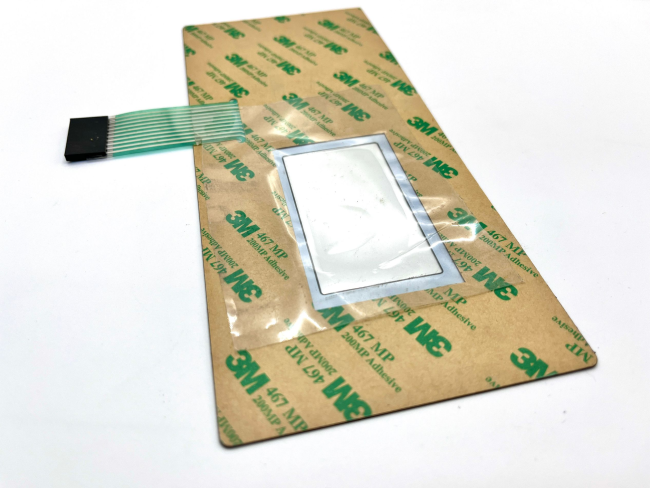
6)Cable
It is an extension of the printed circuit and is used to communicate with your device.
7)Types of connector
1.Zero insertion force (ZIF) connector; 2.Female connector; 3.male connector
8) EMI / RFI / ESD Shielding
use an aluminum foil shielding / a clear ITO electrical conductive polyester
9)Adhesive
mostly used are 3M-double-side glue
10)Backplate-
in aluminum, polycarbonate, acrylic, PCB
Product index:
Operating voltage: 35V DC
Operating current: 100mA 1W
Contact resistance: < 100 Ohms
Open circuit resistance: ≥ 10MΩ at 100V
Operating temperature: Flat/Metal dome:-20°c to +80°c
Storage temperature: Flat/Metal dome:-40°cto +80°c
Life expectancy Flat type≥5,000,000 times Tactile type≥1,000,000 times
Switch stroke: 0.1 to 0.6mm
Contact bounce: 5 to 30ms
Actuation force tolerance: +/- 20 to 45g
Tactile ratio: FC > 40%
Operating humidity: up to 95% RH
Female, male connector, solder pins and heat seal connectors are available
More photos show :
FAQ:

Get in Touch
Have questions about our products or want to discuss a custom order? Our team is ready to help you.