
AAC AAAC ACSR Aluminium Conductor Cable 16-1120mm Power Distribution Conductors
AAC, AAAC, ACSR Aluminium Conductor Cable 16-1120mm Power Distribution Conductors
APPLICATION
- Overhead Power Transmission and Distribution
- Coastal and Corrosive Environments
- Long-Span Installations
- Renewable Energy Projects
CONSUTRUCTION
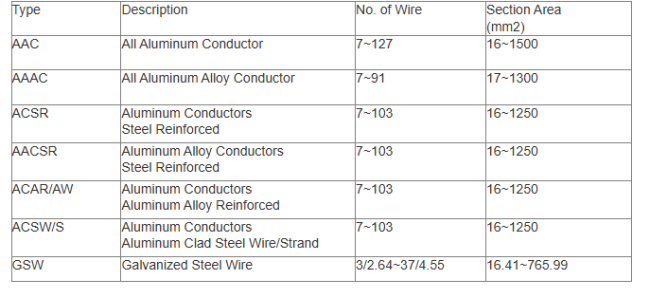
SPECIFICATION
ABOUT US

PROJECTS

WHY US

PARTNER


FAQ
1.What is the main difference between AAC, AAAC, and ACSR conductors?
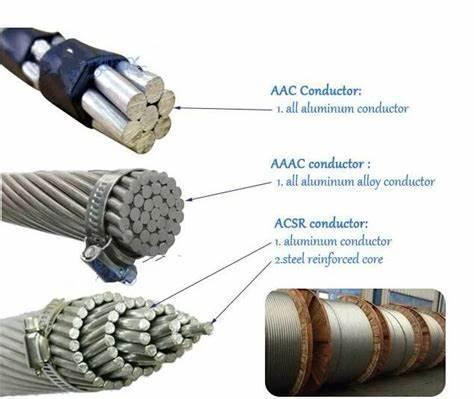
- AAC (All-Aluminum Conductor) is pure aluminum for lightweight applications.
- AAAC (Aluminum Alloy Conductor) uses aluminum-magnesium-silicon alloy for higher strength.
- ACSR (Aluminum Conductor Steel Reinforced) combines aluminum with a steel core for mechanical durability.
2.Which conductor is best for coastal areas?
AAC is preferred due to its corrosion resistance, while AAAC offers balanced performance in harsh environments.
3. What are the typical applications of ACSR conductors?
Used in overhead transmission lines across rivers/valleys, requiring high mechanical strength and conductivity.
4. How does the steel core in ACSR affect performance?
The steel core enhances tensile strength, making ACSR suitable for long-span installations.
5. Can AAC conductors handle high-voltage transmission?
Yes, but they are more common in urban/distribution lines due to lower mechanical strength compared to ACSR.
6. What certifications do these conductors comply with?
Standards include IEC 61089, BS 215, and DIN 48204 (varies by type).
7. Which conductor offers the highest current-carrying capacity?
AAAC outperforms AAC in conductivity due to alloy composition, while ACSR balances current and strength.
8. Are these conductors insulated?
No, they are bare conductors designed for overhead use. Insulated variants require additional layers.
Get in Touch
Have questions about our products or want to discuss a custom order? Our team is ready to help you.