
Heavy Loading Capacity Steel Floating Pontoon Bridge Economical
| Product name | Floating pontoon bridge |
| Feature | Reusable |
| Type | Temporary Bridge |
| Surface Protection | Anti-corrosion Coatings |
A floating pontoon bridge is a structure that floats on the water surface using boats or pontoon tanks instead of traditional bridge piers. The system consists of floating piers, panels, distribution beams, and cable air systems.
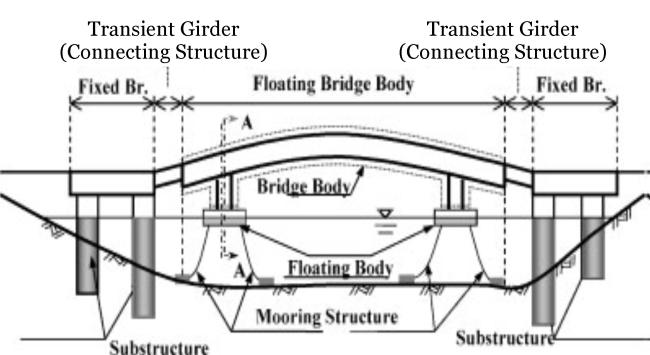
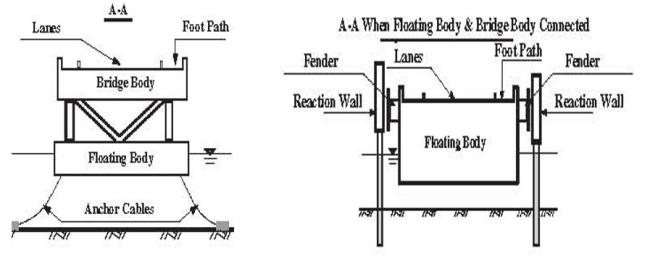
Key design factors include road conditions, performance requirements, pontoon structure, technical drawings, and environmental conditions.
The design must meet performance objectives including safety, durability, quality, ease of maintenance, environmental harmony, and economic efficiency. Structural type selection considers topographic, geological, and geographic conditions.
With proper maintenance and low cycle costs, floating pontoon bridges typically last 75-100 years, though environmental factors like wind, waves, currents, and corrosion significantly impact longevity.
| Performance Level | Hazard Description |
|---|---|
| 0 | No damage to the stability of the bridge |
| 1 | No damage to bridge function |
| 2 | Limited damage that can be restored |
| 3 | Potential loss of function but avoids collapse |
Primary load considerations include:
- Static and dynamic loads
- Impact loads (collisions)
- Earth pressure and hydrostatic pressure
- Wind and wave factors
- Seismic and temperature factors
- Water flow and tidal changes
Water level changes from tides, tsunamis, and storm surges are critical control loads. Wave patterns create horizontal, vertical, and torsional loads depending on wind speed, direction, duration, and channel characteristics.
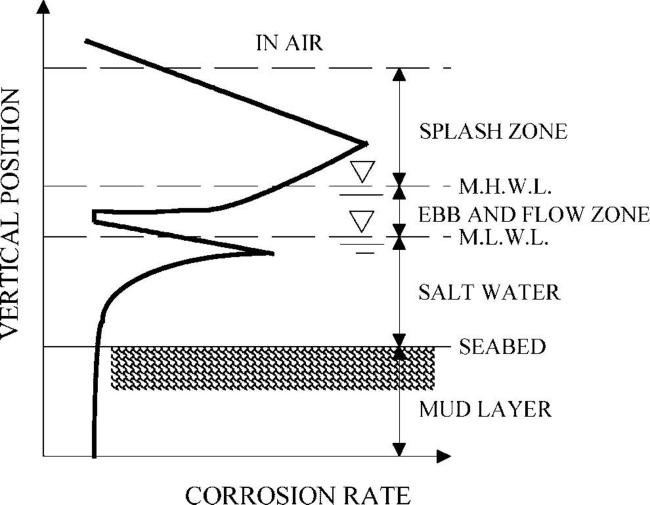
Primary materials are steel and concrete, with special attention to corrosion protection:
- Watertight marine concrete for pontoons
- Cathodic protection below waterline
- Surface treatments including painting, metal coatings
- Special protection for splash zones and tidal areas
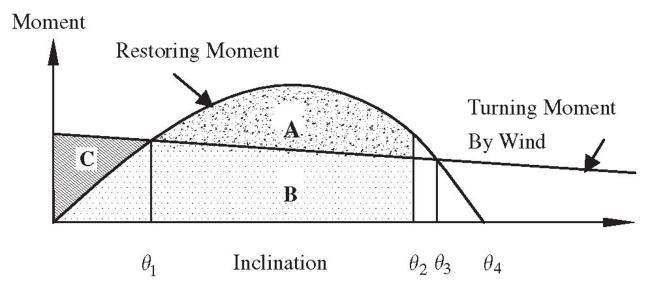
Three equilibrium states determine stability:
- Stable balance - returns to position after tilt
- Unstable equilibrium - may overturn
- Accidental balance - no restoring torque

Key design elements include:
- Wave barriers for wave heights up to 2.5m
- Potential flow theory for water wave analysis
- Superstructure type selection and corrosion protection
- Floating body design including collision prevention


Floating pontoon bridges serve multiple purposes including pedestrian walkways, road crossings, railway bridges, and emergency situations.
Floating pontoon bridges offer flexibility and ease of construction, though they have limitations in extreme weather conditions and weight capacities. Professional engineering consultation is essential for specific applications.
| Bridge Types | Bailey bridge, Modular bridge, Truss Bridge, Warren bridge, Arch bridge, Plate bridge, Beam bridge, Box girder bridge, Suspension bridge, Cable-stayed bridge, Floating bridge |
|---|---|
| Design Spans | 10M TO 300M Single span |
| Carriage Way | SINGLE LANE, DOUBLE LANES, MULTILANE, WALKWAY |
| Loading Capacity | AASHTO HL93.HS15-44, HS20-44, HS25-44, BS5400 HA+20HB, HA+30HB, AS5100 Truck-T44, IRC 70R Class A/B, NATO STANAG MLC80/ MLC110, Truck-60T, Trailer-80/100Ton |
| Steel Grade | Various international standards including EN10025, AS/NZS3678, ASTM A572, GB1591 |
| Certificates | ISO9001, ISO14001, ISO45001, EN1090, CIDB, COC, PVOC, SONCAP |

Get in Touch
Have questions about our products or want to discuss a custom order? Our team is ready to help you.