
What Are CNC Metal Turning Parts?
CNC (Computer Numerical Control) metal turning is a precision machining process in which a metal workpiece is rotated at high speeds while a cutting tool shapes it into the desired form. CNC metal turning parts are typically cylindrical, and the process is used to produce components like shafts, spindles, pistons, bushings, and gears. The process allows for high-speed operations with extreme precision, making it ideal for industries that demand exact measurements and quality assurance.
The beauty of CNC technology is its computer-controlled automation, which ensures that each part is produced to exact specifications, with high repeatability. Whether you need small batch prototypes or large-scale production runs, CNC turning provides the flexibility and precision necessary for complex designs.
Key Benefits of CNC Metal Turning Parts
1. High Precision and Accuracy
One of the standout features of CNC metal turning is its ability to deliver exceptional precision. The use of advanced software and automated machinery allows manufacturers to achieve extremely tight tolerances (often to within 0.001mm). This ensures that CNC metal turning parts fit perfectly into their applications and perform consistently, without the need for manual adjustments or reworks.
- Automotive: CNC turning is essential in manufacturing engine components, brake parts, transmission shafts, and other crucial elements that must be made to very precise measurements.
- Aerospace: For aircraft engine parts, fasteners, and brackets, even a slight deviation in measurements can compromise safety. CNC turning ensures these parts are manufactured to the highest accuracy standards.
2.Versatility in Material Selection
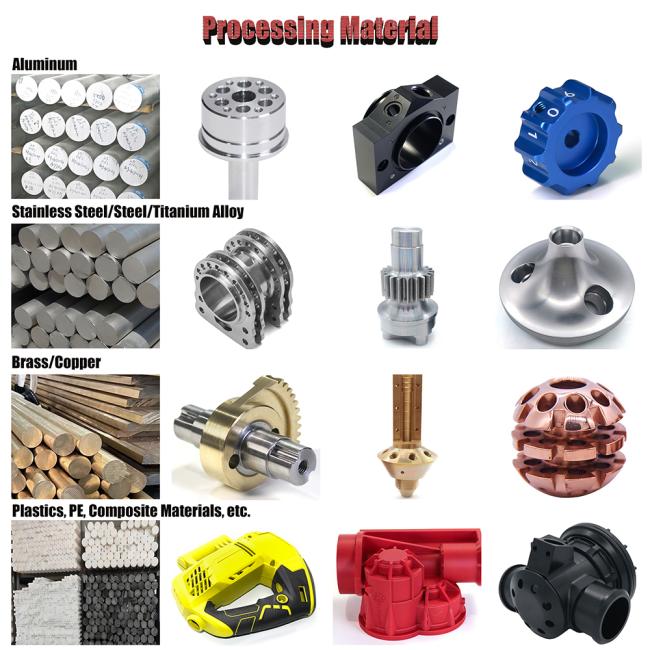
CNC metal turning isn’t limited to a single type of material. It offers a vast range of compatible metals, making it suitable for nearly every application. Popular metals used in CNC turning include:
- Aluminum: Lightweight, corrosion-resistant, and easily machinable, aluminum is a top choice for industries such as automotive and aerospace.
- Stainless Steel: Known for its corrosion resistance and strength, stainless steel is ideal for components exposed to harsh environments, such as medical devices, food processing, and marine applications.
- Brass: A great material for parts requiring excellent machinability and conductivity, often used in electrical components and fittings.
- Titanium: For applications that demand high strength-to-weight ratios, such as aerospace and military, titanium CNC turning is indispensable.
3.Flexibility and Design Customization
Another benefit of CNC metal turning is the ability to create complex geometries and customized parts with ease. The computerized control allows for intricate designs, including internal threads, grooves, slots, and complex contours, to be machined with precision.
- Prototype Development: CNC turning is highly efficient for producing prototype parts, allowing businesses to quickly test and refine designs before moving to full-scale production.
- Custom Parts: CNC turning offers the flexibility to design and manufacture one-of-a-kind custom parts, meeting the specific needs of a client or application, whether it’s for machinery, medical devices, or consumer electronics.
4.Cost-Effective Production
While CNC metal turning might have a higher initial setup cost compared to traditional machining methods, the long-term cost savings are substantial. The combination of speed, automation, and reduced material waste ensures that the process remains cost-effective, especially for high-precision, large-scale manufacturing.
- Reduced Labor Costs: CNC machines require minimal human intervention once programmed, reducing labor costs while maintaining high output.
- Reduced Material Waste: CNC turning ensures that parts are machined with minimal material loss, especially when working with high-cost metals such as stainless steel or titanium.
- Faster Turnaround Times: CNC machines can run continuously, increasing production speed and shortening time-to-market, which translates to cost savings for your business.
Industries That Benefit from CNC Metal Turning Parts
1. Automotive
From engine components, gears, brake parts, to fuel system parts, the automotive industry requires parts that can endure high stress and operate in extreme environments. CNC turning provides the precision and reliability needed to produce these critical components.
2. Aerospace
In the aerospace industry, parts like turbine blades, fuel nozzles, fasteners, and aircraft brackets must meet strict standards for strength and reliability. CNC metal turning ensures that these parts are produced to exact specifications, maintaining safety and performance in flight.
3. Medical Devices
The medical sector relies on CNC turning to manufacture highly precise surgical instruments, implants, and diagnostic equipment. Materials like stainless steel and titanium are often used for their biocompatibility, and CNC turning ensures that each part meets stringent regulatory requirements.
4. Electronics
CNC turning is widely used in the electronics industry to manufacture pins, connectors, housing parts, and switches. These parts need to meet precise electrical tolerances and tight geometrical specifications, which is made possible through CNC turning.
5. Energy and Industrial Equipment
In the oil & gas, mining, and heavy equipment industries, CNC turning is used to manufacture components such as valves, pumps, and flanges. These parts need to be durable, resistant to wear, and able to withstand extreme conditions, which CNC turning can easily provide.
Conclusion: Elevate Your Manufacturing with CNC Metal Turning Parts
CNC metal turning parts are the perfect solution for businesses that require precision, durability, and versatility in their components. Whether you're in the automotive, aerospace, medical, or electronics industry, CNC turning provides an efficient, cost-effective way to produce high-quality custom parts that meet the most stringent specifications.
By choosing CNC metal turning for your manufacturing needs, you’re investing in precision-engineered parts that will improve the performance, reliability, and overall quality of your products. Leverage the power of CNC technology to enhance your production capabilities and keep your business competitive in today’s fast-paced market.

FAQ
1. Are you a manufacturer or a trading company?
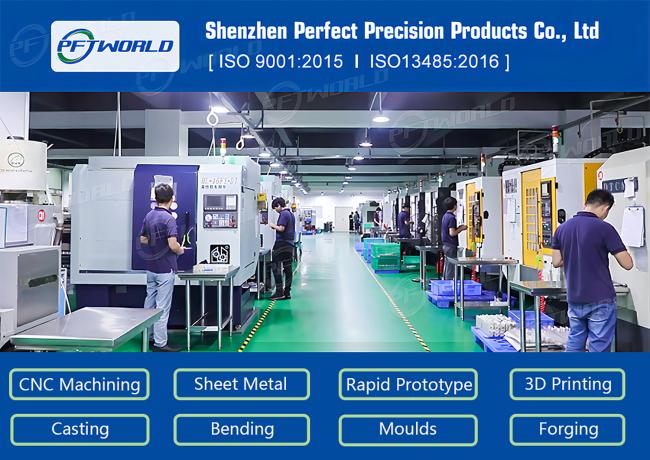
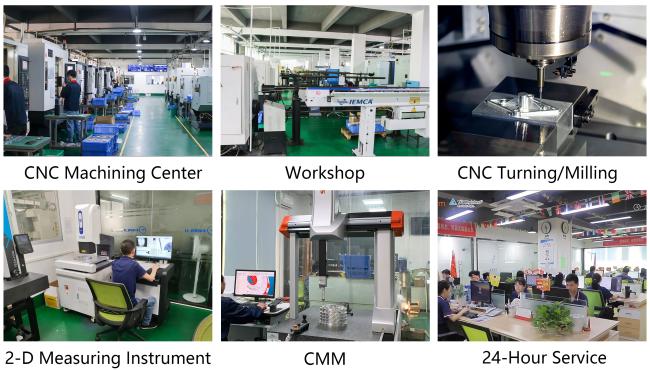
covering 6000 square meters. Complete facilities, including 3D quality inspection equipment, ERP system and 40 machines. If necessary, we can provide you with material certificates, sample quality inspection and other reports.
Detailed drawings (PDF/STEP/IGS/DWG...), including quality, delivery date, materials, quality, quantity, surface treatment and other information.
Get in Touch
Have questions about our products or want to discuss a custom order? Our team is ready to help you.