
cnc precision machining aluminum cnc machining brass cnc turning parts
So you're designing a part and you've settled on CNC machining. Great choice. It's the go-to for precision, strength, and customizability.


Why These Two Metals Are Machining Superstars
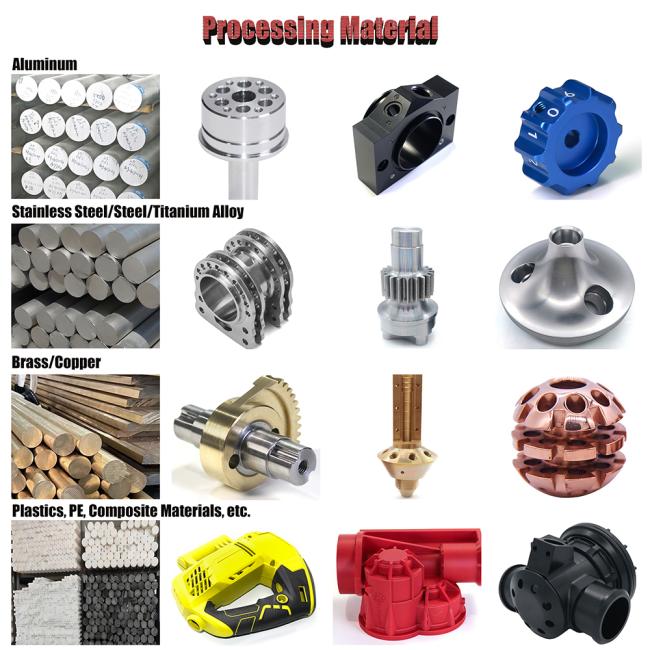
First off, both aluminum and brass are known as "free-machining" metals. This is machinist-speak for "they're a dream to work with." They cut cleanly, don't wear out tools too quickly, and produce great finishes. That's why you see them everywhere, from prototype labs to high-volume production floors.
Aluminum: The Lightweight All-Around Champion
Think of aluminum as the versatile workhorse. It's the most commonly CNC'd metal for a reason.
1.Key Properties:
- Lightweight: It's about one-third the weight of steel, making it perfect for anything that moves or needs to be lifted.
- Strong (for its weight): When you need strength without the heft, aluminum delivers.
- Corrosion Resistant: It forms a protective oxide layer, so it won't rust. This is huge for outdoor or marine use.
- Easy to Finish: It takes anodizing beautifully (for color and extra hardness) and can be polished to a mirror shine.
2.Best For:
- Aerospace components (drones, aircraft fittings)
- Automotive parts (brackets, housings)
- Consumer electronics (laptop chassis, heat sinks)
- Robotics and automation (frames, arms)
Brass: The Durable, Detailed Performer
Brass is like the precision craftsman. It's denser and has a unique set of properties that make it indispensable for specific jobs.
1.Key Properties:
- Natural Lubricity: It's naturally slippery. Parts made from brass have low friction and wear beautifully against other metals.
- Corrosion Resistant: It's highly resistant to water and saltwater corrosion, hence its use in marine hardware.
- Electrical & Thermal Conductivity: It's an excellent conductor, second only to copper on the conductivity scale.
- Aesthetic Appeal: That classic gold-like look screams quality and is often used for decorative pieces, fittings, and musical instruments.
2.Best For:
- Plumbing fittings and valves (doesn't rust and is easy to thread)
- Electrical components (terminals, connectors, sockets)
- Decorative hardware (door handles, knobs, architectural accents)
- Gears and bushings (thanks to its low friction)
CNC Turning & Milling: How They Work With Each Metal
Both metals excel in CNC processes:
- CNC Milling: Perfect for creating complex 3D shapes, pockets, and contours from a block of material. Aluminum's lightness makes it ideal for large milled parts.
- CNC Turning: Ideal for creating cylindrical, conical, or spherical parts (like shafts, nozzles, or connectors). Brass's free-cutting nature makes it a star on a lathe, producing incredibly smooth finishes with fine detail.

FAQ
1. Are you a manufacturer or a trading company?
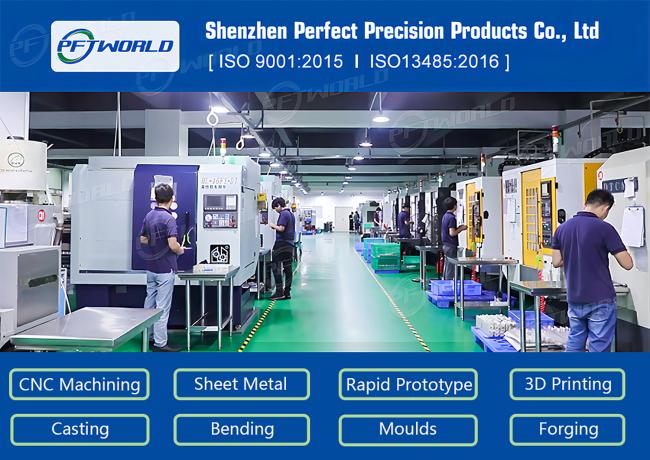
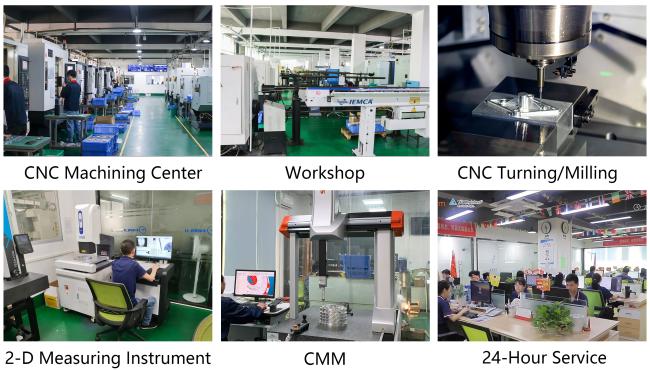
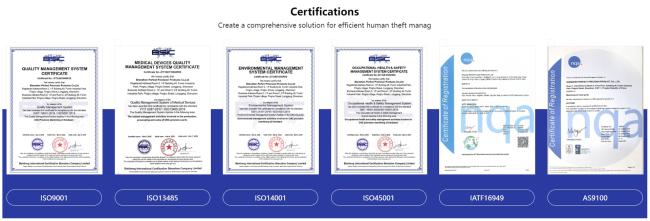
covering 6000 square meters. Complete facilities, including 3D quality inspection equipment, ERP system and 40 machines. If necessary, we can provide you with material certificates, sample quality inspection and other reports.
Detailed drawings (PDF/STEP/IGS/DWG...), including quality, delivery date, materials, quality, quantity, surface treatment and other information.
Get in Touch
Have questions about our products or want to discuss a custom order? Our team is ready to help you.