
Machined CNC Milling Parts Brush Anodizing Surface Heat Treatment
This is where the real magic happens. Surface finishing and heat treatment are the unsung heroes that take your parts from "just functional" to "absolutely professional." Let's break down three of the most valuable processes: Brush Anodizing, Surface Treatments, and Heat Treatment.


Why Bother with Finishing? It's Not Just About Looks!
Sure, a great finish makes your product look premium (and that's important), but it's really about:
- Durability: Protecting parts from wear, scratches, and corrosion.
- Functionality: Making surfaces easier to clean, less prone to friction, or even electrically insulated.
- Safety: Deburring sharp edges for handling.
- Brand Identity: Using color and texture to make your product instantly recognizable.
Brush Anodizing: The Sophisticated Workhorse
What it is: This is a two-step process. First, a satin-brushed texture is created on the aluminum using abrasive brushes. Then, the part is anodized, which electrochemically grows a hard, protective oxide layer on the surface. The brushing hides fingerprints and scratches, while the anodizing adds hardness and allows for color.
Why you'd use it:
- Aesthetic: It delivers that gorgeous, premium, matte-brushed look you see on high-end audio equipment, luxury appliances, and tech gadgets.
- Practical: The brushed texture is excellent at hiding minor surface imperfections and everyday wear and tear.
- Protective: The anodized layer is incredibly hard, corrosion-resistant, and can be dyed in various colors (blacks, grays, and silvers are common for brushed finishes).
Best for: Consumer-facing products, architectural trim, front panels, and any part where aesthetics and durability are equally important.
Heat Treatment: Making Metal Stronger (or Softer)
CNC machining can leave metals with internal stresses and often in a softer state. Heat treatment puts the metal through a precise heating and cooling process to change its internal structure.
Common Types for Machined Parts:
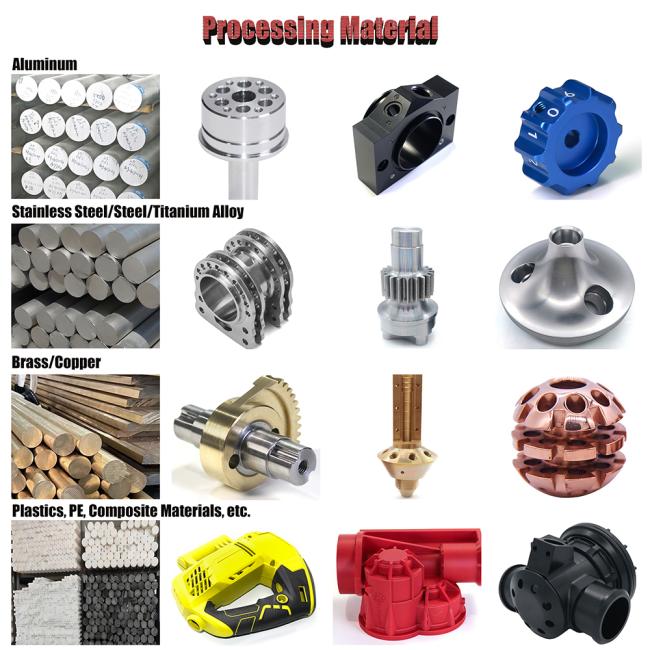
- For Aluminum (like 6061 or 7075): T6 Tempering. This involves solution heat treating and then artificial aging. It significantly increases the part's strength and hardness. A milled 6061 aluminum part is decently strong, but a 6061-T6 part is substantially stronger.
- For Steel: Hardening & Tempering. Parts are heated to a high temperature and quenched to make them extremely hard (but brittle). They are then tempered (reheated at a lower temperature) to reduce brittleness while retaining most of the hardness.
Why you'd use it:
- Strength: To make a part capable of handling structural loads, high stress, or impact.
- Wear Resistance: To ensure components like gears, shafts, or fittings don't wear down quickly.
- Stress Relief: To remove internal stresses from machining, preventing the part from warping over time.
Best for: Gears, structural components, engine parts, and any critical component where mechanical performance is non-negotiable.
Other Key Surface Treatments
While brush anodizing is great for aluminum, here are other heavy hitters:
- Hard Anodizing (Type III): A thicker, even tougher anodized coating used for extreme wear resistance on parts like pistons or hydraulic components.
- Passivation: For stainless steel parts. It removes free iron from the surface and creates a passive oxide layer to dramatically enhance corrosion resistance. It doesn't change the part's appearance or dimensions.
- Electropolishing: A reverse plating process that removes a tiny layer of surface material. It deburrs, polishes, and improves corrosion resistance all at once, giving stainless steel a brilliant, smooth finish.
- Powder Coating: A durable, thick polymer coating applied as a dry powder and cured under heat. It's available in any color and is fantastic for larger parts or when you need a thick, protective layer.
Wrapping Up
CNC milling defines a part's shape, but finishing and heat treatment define its character and capability. Investing in the right post-processing step is what transforms a raw machined piece into a reliable, high-performance, and market-ready product.
FAQ
1. Are you a manufacturer or a trading company?
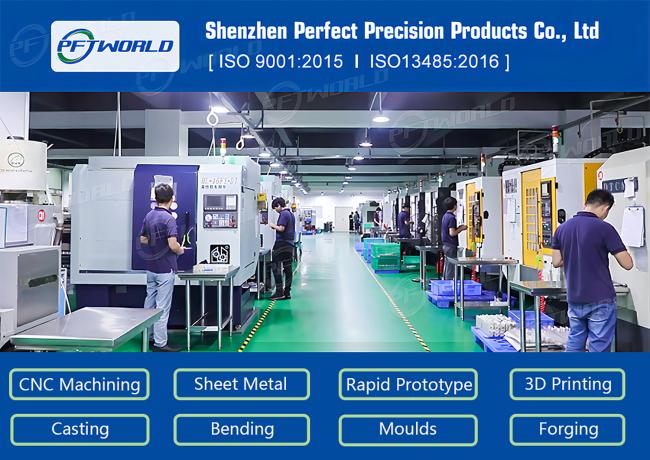
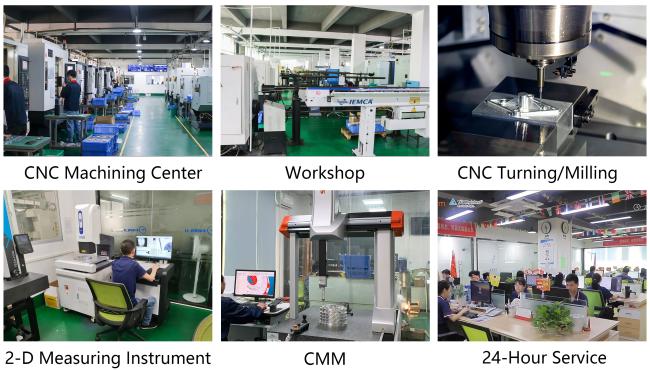
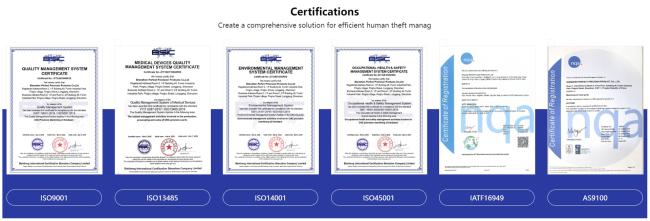
covering 6000 square meters. Complete facilities, including 3D quality inspection equipment, ERP system and 40 machines. If necessary, we can provide you with material certificates, sample quality inspection and other reports.
Detailed drawings (PDF/STEP/IGS/DWG...), including quality, delivery date, materials, quality, quantity, surface treatment and other information.
Get in Touch
Have questions about our products or want to discuss a custom order? Our team is ready to help you.