
Custom CNC Turning and Milling Parts Processing
In today’s fast-paced manufacturing world, precision, efficiency, and customization are more important than ever. As industries like aerospace, automotive, medical, and electronics continue to demand complex and high-performance components, custom CNC turning and milling parts processing has emerged as a cornerstone of modern manufacturing. This advanced machining method offers unmatched accuracy and flexibility, making it ideal for producing tailored components that meet exact specifications.

What is CNC Machining?
CNC (Computer Numerical Control) machining refers to a subtractive manufacturing process where computers control machine tools to precisely remove material from a workpiece. The two most common types of CNC machining operations are turning and milling, each suited to different shapes and tolerances.
- CNC Turning involves rotating the workpiece on a lathe while a stationary cutting tool shapes the material. It is ideal for cylindrical parts such as shafts, bushings, and rods.
- CNC Milling uses rotating cutting tools to remove material from a stationary workpiece. It is perfect for more complex, multi-axis parts like brackets, enclosures, and mechanical assemblies.
The Importance of Custom CNC Turning and Milling
Customization in CNC machining allows manufacturers to produce unique components tailored to specific applications. Whether it’s a prototype for testing or a fully optimized end-use product, custom CNC turning and milling parts processing offers:
1. Precision and Accuracy
With computer-controlled programming and high-speed cutting tools, CNC machines can achieve tolerances as tight as ±0.001mm. This ensures every part is made to the exact dimensions required, critical for industries where precision is non-negotiable.
2. Complex Geometries
Custom CNC machining can handle intricate shapes and multi-sided designs that would be difficult or impossible to produce using manual methods. Multi-axis CNC mills and Swiss lathes can create parts with internal channels, complex threads, and contoured surfaces.
3. Material Versatility
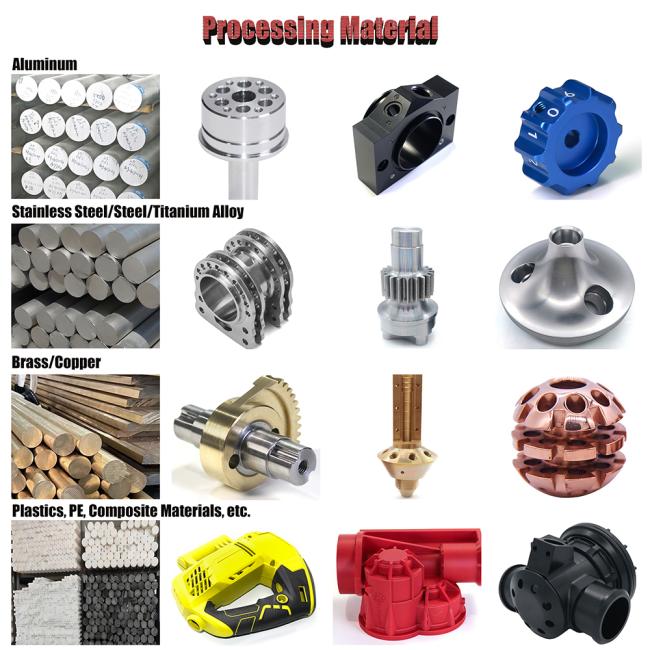
Whether the application calls for aluminum, stainless steel, titanium, brass, or high-performance plastics, CNC machines can work with a wide range of materials. This versatility makes them ideal for diverse industry needs.
4. Rapid Prototyping to Mass Production
Custom CNC turning and milling services are highly scalable. They can be used for one-off prototypes or scaled up for small to large batch production. Quick setup and automated tooling changes ensure minimal downtime.
5. Cost Efficiency
While initial setup can be costly, CNC machining becomes cost-effective over time due to reduced labor, faster production speeds, and minimal material waste. Custom machining also eliminates the need for multiple tools and processes, streamlining production.
Applications of Custom CNC Turning and Milling Parts
- Aerospace: High-precision turbine blades, landing gear components, and airframe parts.
- Automotive: Custom engine components, transmission parts, and brake system elements.
- Medical Devices: Surgical instruments, orthopedic implants, and diagnostic equipment components.
- Electronics: Housings, heat sinks, and precision connectors.
- Industrial Machinery: Gears, rollers, and hydraulic fittings.

FAQ
1. Are you a manufacturer or a trading company?
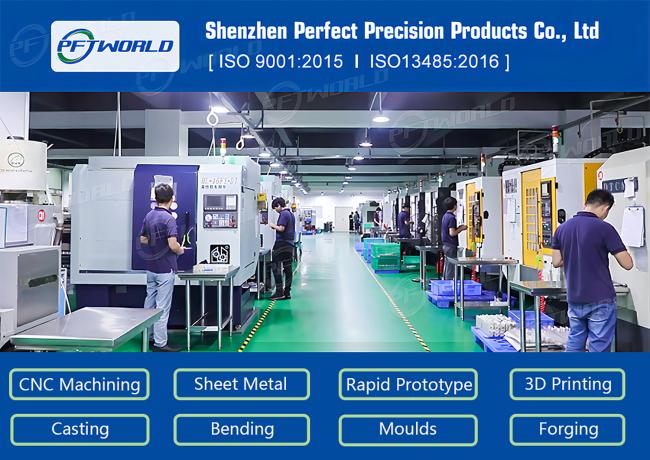
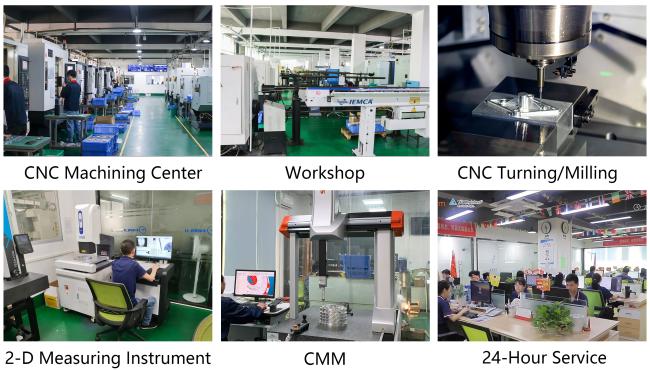
covering 6000 square meters. Complete facilities, including 3D quality inspection equipment, ERP system and 40 machines. If necessary, we can provide you with material certificates, sample quality inspection and other reports.
Detailed drawings (PDF/STEP/IGS/DWG...), including quality, delivery date, materials, quality, quantity, surface treatment and other information.
Get in Touch
Have questions about our products or want to discuss a custom order? Our team is ready to help you.