
Aluminum Machining CNC Parts and Anodizing
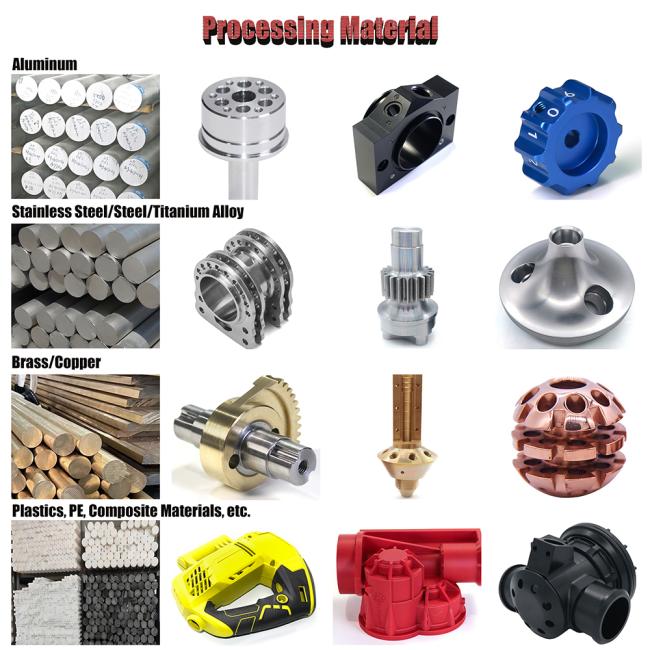
In modern manufacturing, aluminum machining combined with CNC technology and anodizing has become a go-to solution for industries requiring high-performance, lightweight, and corrosion-resistant components. From aerospace to electronics and automotive to consumer products, aluminum CNC parts with anodized finishes offer a winning combination of durability, precision, and aesthetics.


Why Aluminum is Ideal for CNC Machining
Aluminum is a favored material in precision manufacturing due to its excellent machinability, high strength-to-weight ratio, and natural resistance to corrosion.
Key properties of aluminum for CNC parts:
- Lightweight but strong
- Non-magnetic and non-sparking
- Easily machined with tight tolerances
- High thermal and electrical conductivity
- Cost-effective and recyclable
Common aluminum grades used in CNC machining:
- 6061: Versatile, strong, and widely used in structural components
- 7075: High strength, ideal for aerospace applications
- 5052: Excellent corrosion resistance, good for marine environments
- 2024: Great fatigue resistance and strength, used in aircraft parts
CNC Machining of Aluminum Parts
CNC (Computer Numerical Control) machining involves the automated control of machining tools (such as mills, lathes, routers) to cut and shape aluminum parts to exact specifications. The process offers precision, repeatability, and customization.
Common CNC operations for aluminum machining include:
- Milling: Used to produce flat surfaces, slots, pockets, and complex 3D shapes
- Turning: Ideal for round or cylindrical parts like bushings and shafts
- Drilling & Tapping: For threaded holes and precision bores
- Facing, Chamfering, and Surface Finishing: For edge refinement and aesthetic appeal
- Tolerances: High-precision CNC shops can achieve tolerances of ±0.001 inches or better, depending on the application.
Anodizing Aluminum CNC Parts
Once aluminum parts are machined, they often undergo anodizing—an electrochemical process that enhances surface properties and aesthetics.
What is Anodizing?
Anodizing thickens the natural oxide layer on the aluminum surface, making it harder and more corrosion-resistant. It also allows for the application of vibrant and durable colors.
Benefits of anodizing:
- Corrosion resistance: Essential for outdoor or marine applications
- Wear resistance: Increased hardness protects against abrasion
- Improved appearance: Matte or glossy finish in various colors (black, red, blue, clear, etc.)
- Electrical insulation: Useful in electronic applications
- Environmentally friendly: Non-toxic and recyclable process
Types of anodizing:
- Type I (Chromic acid anodizing): Thin coatings, used in aerospace
- Type II (Sulfuric acid anodizing): Standard decorative and protective coating
- Type III (Hard anodizing): Thick and wear-resistant for industrial applications
FAQ
1. Are you a manufacturer or a trading company?
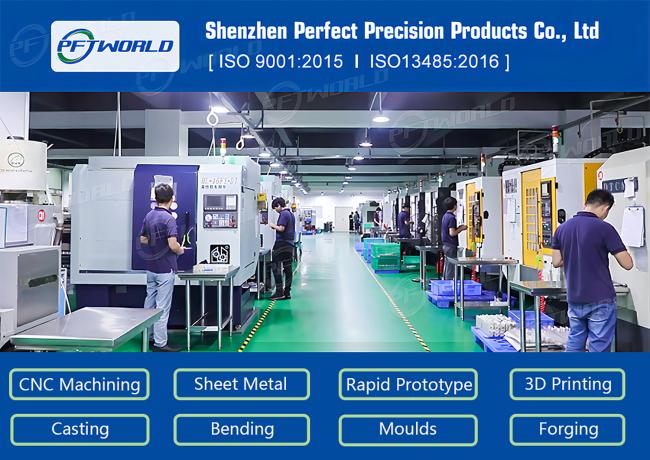
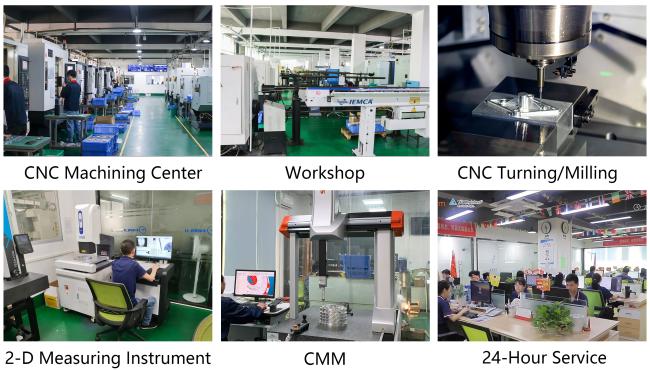
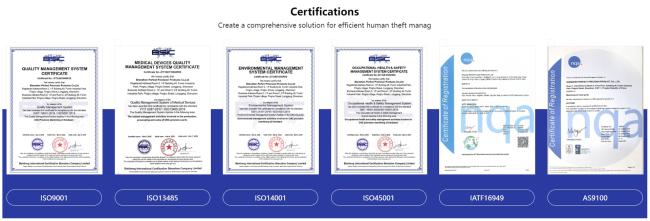
covering 6000 square meters. Complete facilities, including 3D quality inspection equipment, ERP system and 40 machines. If necessary, we can provide you with material certificates, sample quality inspection and other reports.
Detailed drawings (PDF/STEP/IGS/DWG...), including quality, delivery date, materials, quality, quantity, surface treatment and other information.
Get in Touch
Have questions about our products or want to discuss a custom order? Our team is ready to help you.