
Aluminum Long Piece, Black Oxidation, CNC Machining
So you need a long, sleek, black aluminum part that has to be machined to perfection. Maybe it's a rail for a high-end piece of tech, a structural component for an aerospace application, or a custom heatsink. You're thinking about three things: length, precision, and that durable black finish.


The Challenge: Why "Long" is a Big Deal
First off, machining a long, skinny piece of aluminum isn't like machining a small, chunky block. It's like trying to sharpen a very long pencil without it snapping. Here’s why:
- Vibration & Chatter: During CNC milling or drilling, long pieces can vibrate. This leads to inaccurate cuts, a poor surface finish, and even tool breakage.
- Sagging: Aluminum isn't ridgid. A long piece can sag under its own weight, meaning the middle won't be straight or level during machining.
- Heat Management: Machining generates heat. On a long part, uneven heat can cause it to expand and warp slightly, throwing off your tight tolerances.
CNC Machining: Making the Cut
The CNC process is where your part gets its critical features. For a long aluminum piece, we typically start with an "extrusion" or a long bar of "bar stock."
- Milling: This is how we create slots, holes, mounting points, and complex contours along the length of the part.
- Drilling & Tapping: Precise holes for screws and fasteners are drilled along the axis.
- The Goal: The machinist's job is to hold incredibly tight tolerances (often within ±0.05mm or better) over the entire length of the part, ensuring it's straight and true.
The Magic of Black Oxidation (Anodizing)
You don't just want it long and precise—you want it black. For aluminum, that almost always means Type II or Type III (Hardcoat) Anodizing.
This isn't paint. It's an electrochemical process that grows a super-hard, corrosion-resistant layer on the surface of the aluminum. Then, we dye it black and seal it. Here’s why it’s perfect:
- Durability: The anodized layer is incredibly scratch-resistant and won't chip or peel like paint.
- Aesthetics: It gives a deep, uniform, matte-black finish that looks professional and technical.
- Functionality: It protects against corrosion and can even provide some electrical insulation.
Where You See These Parts in the Real World
This isn't just a theoretical exercise. These long, black, precision parts are everywhere:
- Aerospace: Rails and tracks inside aircraft and satellites.
- Optics & Photonics: Mounting rails for lenses and lasers (like dovetail rails).
- Robotics: Structural framing and protective covers.
- High-End Consumer Tech: Supports and housings for premium audio/visual equipment.
- Medical Devices: Components for imaging machines and surgical equipment.
The Bottom Line
Creating a long, black, precision-machined aluminum part is a perfect example of manufacturing synergy. It requires:
- Expert CNC machining to handle the challenges of length.
- Smart design that anticipates the anodizing process.
- Skilled anodizing that knows how to handle and finish long parts without flaws.
When done right, the result is a incredibly strong, lightweight, durable, and great-looking component that’s ready for serious work.
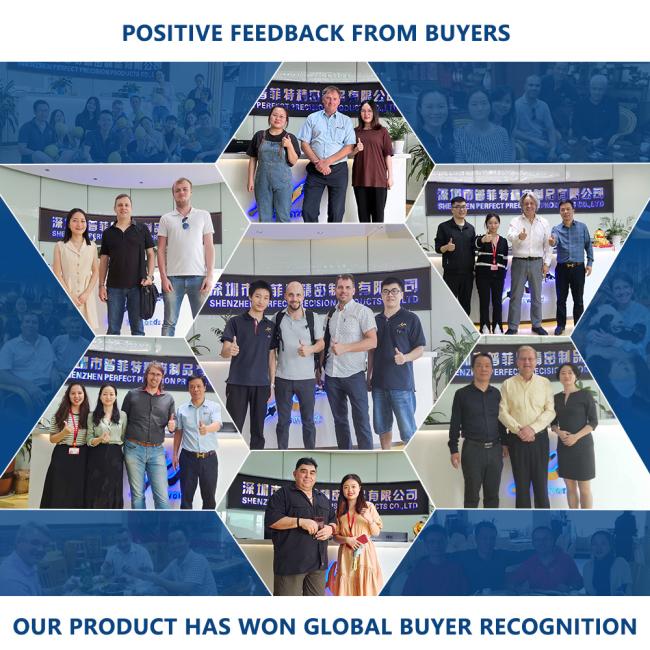
FAQ
1. Are you a manufacturer or a trading company?
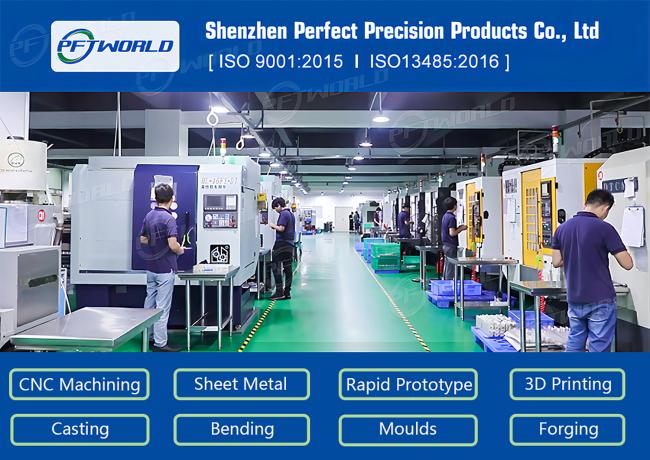
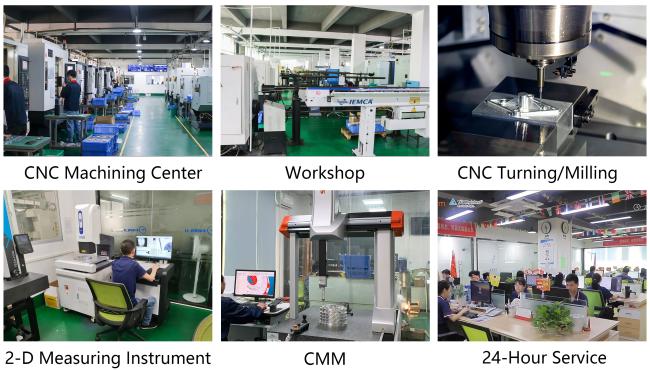
covering 6000 square meters. Complete facilities, including 3D quality inspection equipment, ERP system and 40 machines. If necessary, we can provide you with material certificates, sample quality inspection and other reports.
Detailed drawings (PDF/STEP/IGS/DWG...), including quality, delivery date, materials, quality, quantity, surface treatment and other information.
Get in Touch
Have questions about our products or want to discuss a custom order? Our team is ready to help you.