
Precision Custom CNC Machining Aluminum Parts Anodizing Laser Engraving
In today's advanced manufacturing landscape, precision custom CNC machining aluminum parts is essential to meet the demands of high-performance applications across industries such as aerospace, medical, automotive, robotics, and consumer electronics. The combination of precision CNC processes, anodizing finishes, and laser engraving techniques ensures not only exceptional functionality but also durability and branding appeal.


What Is Precision Custom CNC Machining?
CNC (Computer Numerical Control) machining is a subtractive manufacturing process in which computer-controlled tools precisely cut, shape, and drill raw materials—such as aluminum—into custom parts. Precision custom CNC machining involves using state-of-the-art equipment and software to achieve extremely tight tolerances, often within ±0.001 inches or better.
This level of accuracy is crucial for components that must interlock, seal, or function under exacting mechanical or thermal conditions. Aluminum is one of the most commonly machined metals due to its lightweight nature, excellent machinability, and strength-to-weight ratio.
dvantages of Machining Aluminum Parts
Aluminum is favored in CNC machining for several reasons:
- High strength-to-weight ratio: Ideal for aerospace and automotive applications.
- Corrosion resistance: Especially when anodized, aluminum withstands harsh environments.
- Excellent machinability: Aluminum can be cut faster and with less tool wear compared to harder metals.
- Thermal and electrical conductivity: Useful in electronics and heat sink applications.
The Role of Anodizing in Aluminum Machining
After CNC machining, anodizing is commonly applied to aluminum parts to enhance their surface properties. Anodizing is an electrochemical process that thickens the natural oxide layer on the aluminum surface, improving:
- Corrosion resistance
- Wear resistance
- Aesthetic appearance
- Colorability for branding or functional coding
Anodizing not only protects the component but also allows for vibrant and durable coloring, making it ideal for consumer products and industrial uses alike. Common anodizing types include Type I (chromic acid), Type II (sulfuric acid), and Type III (hard coat), with the latter providing the most durability.
Laser Engraving: Precision Marking for Functionality and Branding
Another important post-machining process is laser engraving, which uses focused laser beams to etch text, serial numbers, logos, or QR codes onto metal surfaces. When applied to anodized aluminum, laser engraving creates a sharp, high-contrast mark that is:
- Permanent and fade-resistant
- Chemically and thermally stable
- Non-invasive, preserving part strength and integrity
Laser engraving is especially valued in industries that require traceability (e.g., medical and aerospace), or where customization and branding are important.
Applications of Precision CNC Machined and Finished Aluminum Parts
Precision custom CNC machining, combined with anodizing and laser engraving, produces high-performance aluminum parts such as:
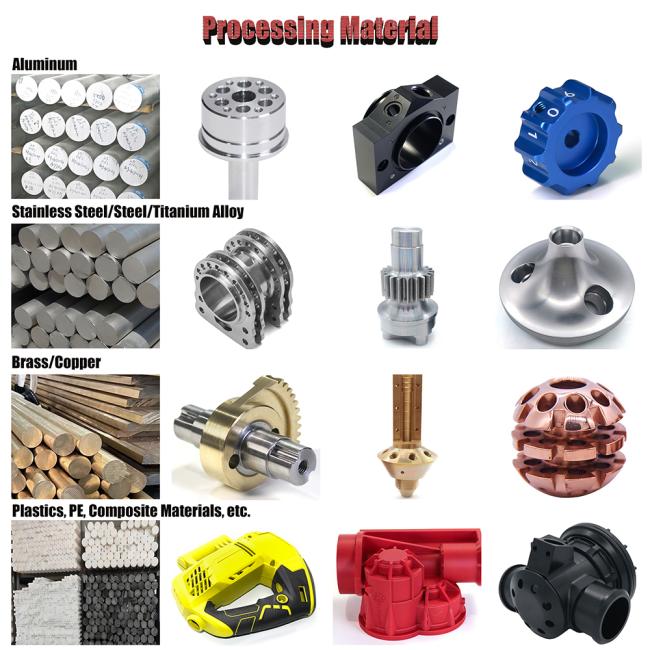
- Aerospace brackets, housings, and enclosures
- Medical device components
- Custom heatsinks for electronics
- Automotive performance parts
- Industrial robotics end-effectors and frames
- Consumer electronics cases with custom logos
FAQ
1. Are you a manufacturer or a trading company?
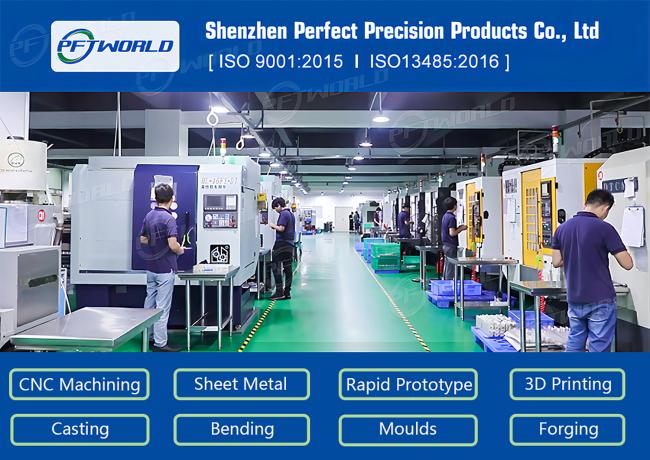
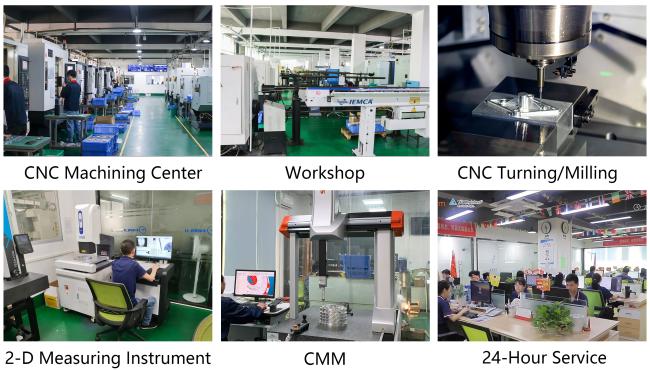
covering 6000 square meters. Complete facilities, including 3D quality inspection equipment, ERP system and 40 machines. If necessary, we can provide you with material certificates, sample quality inspection and other reports.
Detailed drawings (PDF/STEP/IGS/DWG...), including quality, delivery date, materials, quality, quantity, surface treatment and other information.
Get in Touch
Have questions about our products or want to discuss a custom order? Our team is ready to help you.