
OEM CNC Machining Aluminum Parts Turning Anodizing Services
In today’s fast-paced manufacturing industry, high-quality and reliable components are critical to the success of any product. Among the most sought-after solutions are OEM CNC machining aluminum parts, known for their durability, lightweight properties, and exceptional performance in various applications. Whether for aerospace, automotive, electronics, or medical devices, the demand for precision-engineered aluminum components continues to grow. This article explores the complete process, from CNC turning to anodizing services, and highlights why OEMs rely on specialized manufacturers for their aluminum machining needs.


Understanding CNC Machining for OEM Aluminum Parts
CNC (Computer Numerical Control) machining is a subtractive manufacturing process where pre-programmed software controls the movement of machinery and tools. For aluminum parts, CNC machining provides a high level of accuracy, repeatability, and speed, making it ideal for OEM (Original Equipment Manufacturer) applications.
Aluminum is particularly favored due to its:
- Excellent machinability
- Corrosion resistance
- Strength-to-weight ratio
- Thermal and electrical conductivity
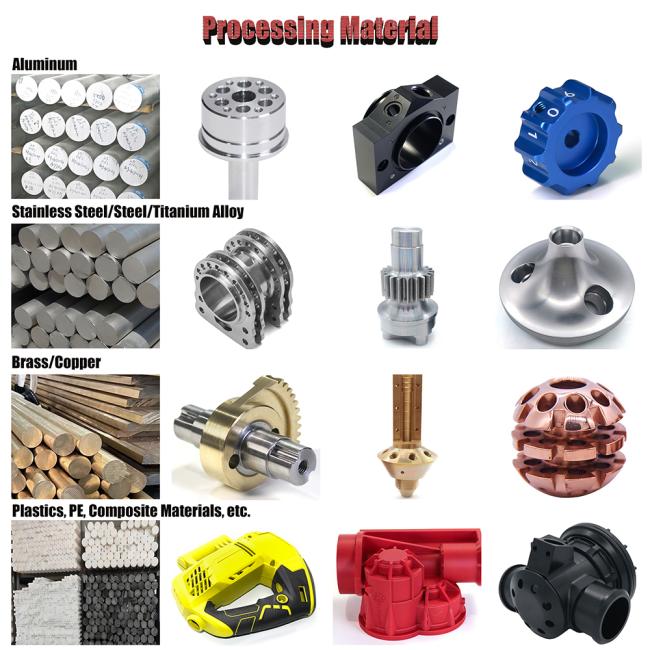
These properties make aluminum parts suitable for complex geometries and critical tolerances often required by OEMs in industries such as robotics, aviation, and electronics.
CNC Turning: Precision in Every Rotation
A key aspect of aluminum machining is CNC turning, a process where a cutting tool removes material from a rotating workpiece to create cylindrical parts. Turning is ideal for components like shafts, pins, bushings, and housings.
Advantages of CNC turning for aluminum parts include:
- Smooth surface finishes
- Tight tolerances
- Fast production cycles
- Compatibility with secondary processes like threading and grooving
OEM clients benefit from consistent output and minimal material waste, contributing to both cost efficiency and product reliability.
Anodizing Services: Enhancing Surface Performance
After machining and turning, anodizing is a crucial finishing process for aluminum parts. Anodizing is an electrochemical treatment that forms a protective oxide layer on the aluminum surface, improving both aesthetics and functionality.
Key benefits of anodizing services include:
- Increased corrosion and wear resistance
- Improved surface hardness
- Enhanced electrical insulation
- Customizable color finishes for branding or identification
This process not only protects the aluminum part but also adds a sleek, professional appearance — a critical aspect for many OEMs seeking premium-looking components.

FAQ
1. Are you a manufacturer or a trading company?
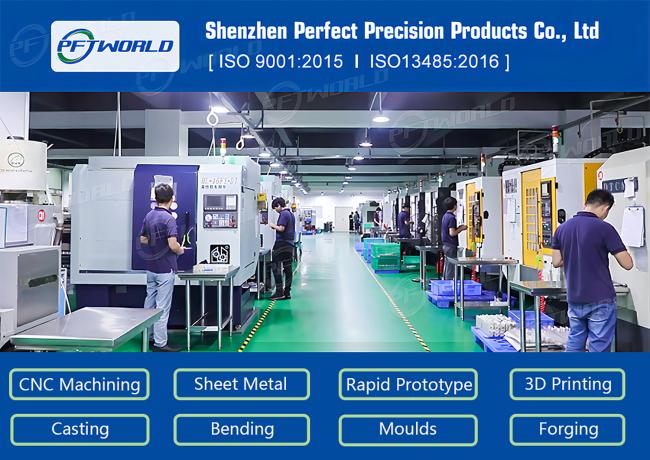
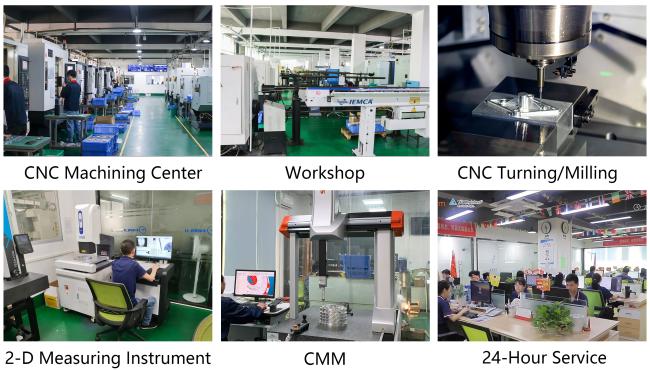
covering 6000 square meters. Complete facilities, including 3D quality inspection equipment, ERP system and 40 machines. If necessary, we can provide you with material certificates, sample quality inspection and other reports.
Detailed drawings (PDF/STEP/IGS/DWG...), including quality, delivery date, materials, quality, quantity, surface treatment and other information.
Get in Touch
Have questions about our products or want to discuss a custom order? Our team is ready to help you.