
CNC Precision Stainless Steel Parts Accessories Machined
These unassuming precision parts are what keep industries running smoothly and reliably. If you’ve ever wondered what goes into making those perfect, durable, and corrosion-resistant components, you’re in the right place.
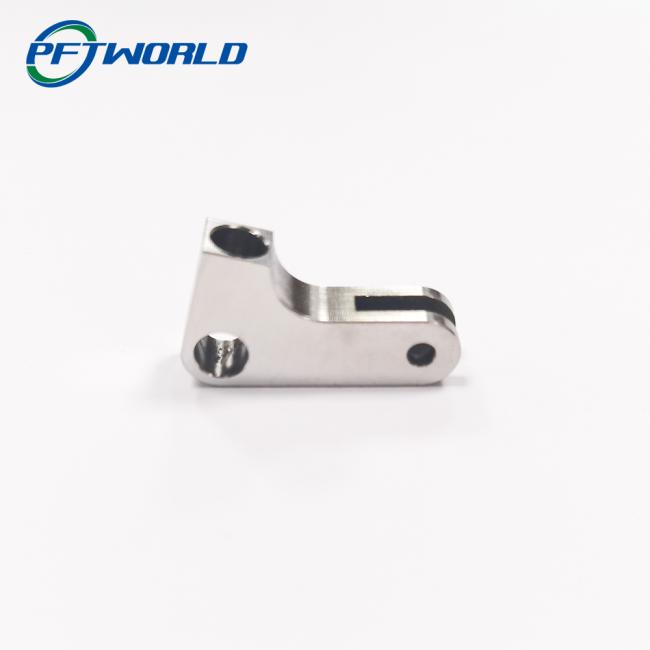
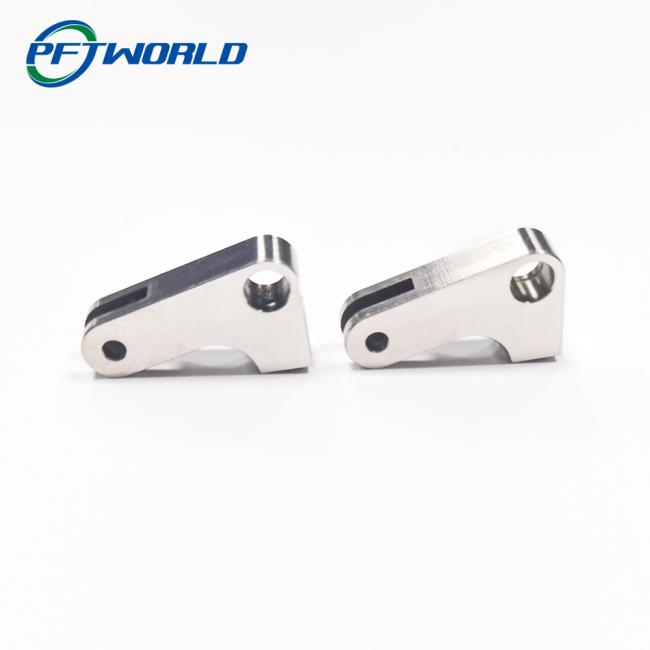
Why Stainless Steel? And Why CNC?
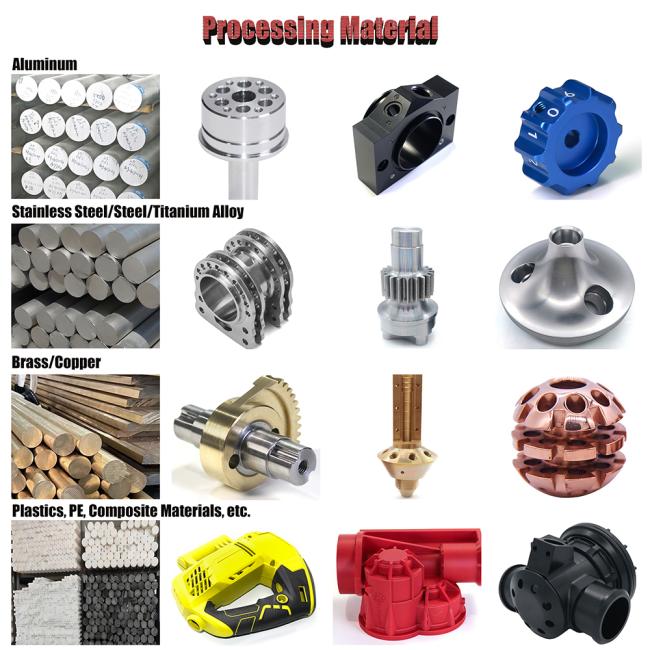
Stainless steel isn’t just popular because it looks good (though it certainly does). It’s tough, resistant to rust and chemicals, and can handle extreme temperatures. That makes it the go-to material for situations where failure isn’t an option.
But stainless can be tricky to work with. It’s hard, it’s tough on tools, and it requires expertise to machine accurately. That’s where CNC (Computer Numerical Control) machining comes in.
CNC machines use computer-guided tools to cut, drill, and shape raw blocks of metal into exact specifications. The result? Parts that are consistent, reliable, and made to tight tolerances—sometimes as precise as ±0.005mm. That’s thinner than a human hair!
Where You’ll Find These Parts
Precision stainless parts are hidden in plain sight:
- Medical & Surgical Tools: Implants, scalpel handles, and diagnostic equipment.
- Aerospace: Landing gear components, engine mounts, and sensor housings.
- Automotive: Fuel system parts, sensors, and custom fasteners.
- Food & Beverage: Processing equipment that meets strict hygiene standards.
- Electronics: Connectors, enclosures, and heat-resistant fixtures.
How It’s Done: The Nuts and Bolts of CNC Machining
Creating these parts isn’t just about hitting “start” on a machine. It’s a process:
- Design & Programming: Engineers turn CAD models into instructions (G-code) for the CNC machine.
- Material Selection: Choosing the right grade of stainless steel (e.g., 304 for general use, 316 for marine environments, or 17-4 PH for high strength).
- Machining: Using mills, lathes, or multi-axis machines to shape the part.
- Finishing: Deburring, polishing, passivating, or plating to improve appearance and performance.
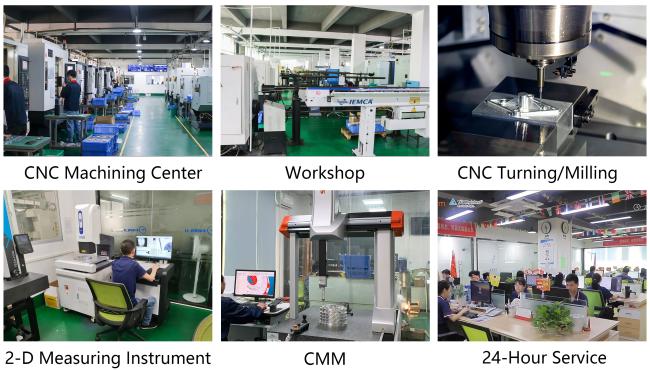
- Quality Control: Measuring every critical dimension with tools like CMMs to ensure perfection.
CNC vs. Other Methods
Why choose CNC over casting or 3D printing?
- Strength: CNC parts are solid metal, not porous or layered.
- Precision: Tolerances are tighter than most other processes.
- Flexibility: No need for molds—great for prototypes and custom parts.
The Bottom Line
Precision stainless steel parts might not be the flashiest topic, but they’re the backbone of countless products we rely on every day. Whether you’re designing a new medical device, upgrading industrial machinery, or building something entirely new, getting these components right is worth the effort.

FAQ
1. Are you a manufacturer or a trading company?
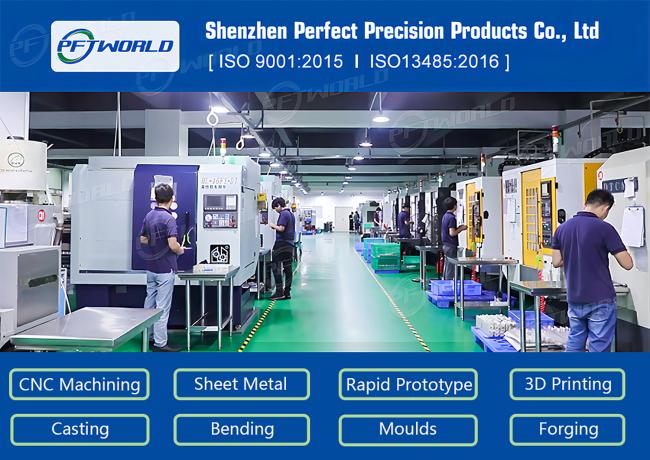
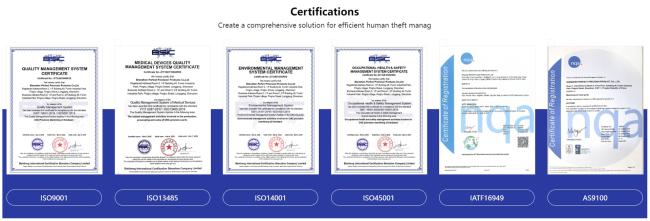
covering 6000 square meters. Complete facilities, including 3D quality inspection equipment, ERP system and 40 machines. If necessary, we can provide you with material certificates, sample quality inspection and other reports.
Detailed drawings (PDF/STEP/IGS/DWG...), including quality, delivery date, materials, quality, quantity, surface treatment and other information.
Get in Touch
Have questions about our products or want to discuss a custom order? Our team is ready to help you.