
Precision Machining CNC Stainless Steel Parts
In the modern era of high-performance manufacturing, precision machining CNC stainless steel parts plays a pivotal role across a wide range of industries. From aerospace components to surgical instruments and industrial automation systems, the demand for accurate, durable, and corrosion-resistant parts has made stainless steel one of the most valuable materials in CNC machining.


What is Precision CNC Machining?
Precision machining refers to the process of removing material from a workpiece to achieve exact dimensions and surface finishes within extremely tight tolerances—often within microns. CNC (Computer Numerical Control) technology automates this process using pre-programmed software to guide tools and machinery with consistent accuracy.
When applied to stainless steel, CNC precision machining involves:
- Milling: For cutting flat surfaces, slots, holes, and complex 3D geometries
- Turning: For cylindrical and symmetrical parts such as shafts or bushings
- Drilling and Tapping: For creating precise holes and threads
- Grinding and Finishing: For achieving ultra-smooth surface finishes
- Multi-axis machining (3-axis, 4-axis, and 5-axis): For complex parts requiring multiple operations in one setup
Why Stainless Steel?
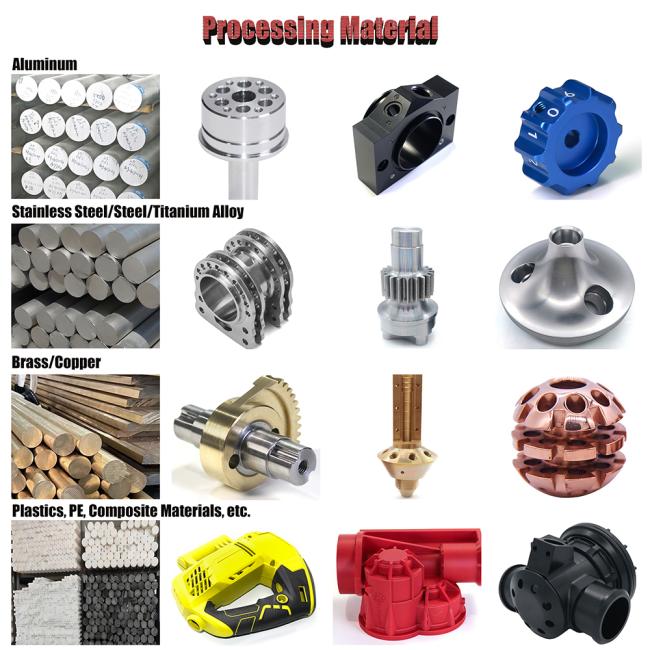
Stainless steel is an alloy primarily made from iron, chromium, and varying amounts of nickel and molybdenum, depending on the grade. It is widely used for its strength, corrosion resistance, and clean, professional appearance.
Key Advantages of Stainless Steel in CNC Machining:
- Corrosion resistance: Ideal for harsh environments, including marine, chemical, and medical applications
- High strength and toughness: Withstands physical stress and mechanical wear
- Hygienic and easy to clean: Suitable for food-grade and medical components
- Good weldability and formability
- Heat resistance: Performs well under high-temperature conditions
Common stainless steel grades used in precision CNC machining include:
- 304: General-purpose, corrosion-resistant
- 316: Superior corrosion resistance, especially in saltwater or chemical environments
- 303: Easier to machine due to added sulfur
- 17-4 PH: High strength and good corrosion resistance, ideal for aerospace and defense
Benefits of Precision Machining CNC Stainless Steel Parts
1. Tight Tolerances
Precision CNC machining can produce stainless steel parts with tolerances as tight as ±0.005 mm, which is critical for high-performance or safety-critical applications.
2. Repeatability
CNC systems ensure every part is identical, no matter the production volume. This consistency is essential in industries like medical devices and aerospace.
3. Design Flexibility
From simple bushings to complex 5-axis aerospace brackets, CNC machines can create virtually any geometry in stainless steel.
4. Surface Finish Quality
With the right tooling and feeds, CNC machining produces excellent surface finishes, which can be further enhanced with polishing or passivation.
5. Scalability
Precision machining is suitable for both prototyping and full-scale production, offering flexibility across product development cycles.
Applications of CNC Stainless Steel Precision Parts
Due to their durability and precision, stainless steel CNC parts are used in:
- Aerospace: Engine components, brackets, turbine housings
- Medical Devices: Surgical tools, implants, diagnostic instrument housings
- Food & Beverage Processing: Sanitary fittings, valves, cutting tools
- Oil & Gas: Pressure fittings, pump components, downhole tools
- Defense and Military: Weapon parts, mounts, enclosures
- Automotive and Motorsport: Exhaust flanges, fuel system parts, engine sensors
- Robotics and Automation: Shafts, actuators, couplings
Challenges of CNC Machining Stainless Steel
Although stainless steel offers excellent performance, it poses some challenges during machining:
- Tool wear: Its hardness and toughness can accelerate tool degradation
- Heat buildup: Generates significant heat, requiring effective cooling/lubrication
- Work hardening: Stainless steel can harden during machining, making it harder to cut if not properly managed
- Machining speed: Slower speeds and feeds are needed compared to softer metals like aluminum or brass
Experienced CNC shops overcome these challenges using high-quality carbide tools, optimized cutting strategies, and coolant systems.

FAQ
1. Are you a manufacturer or a trading company?
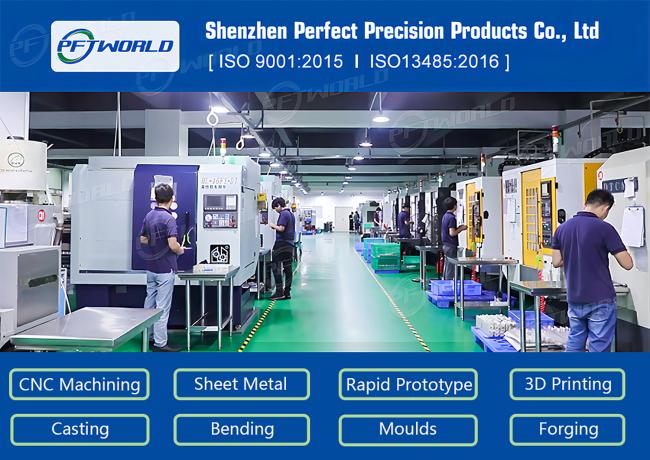
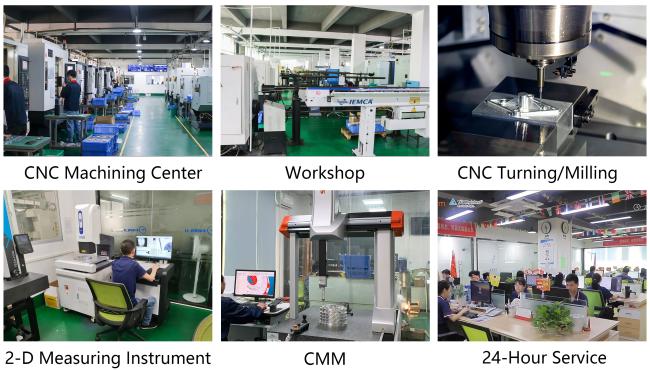
covering 6000 square meters. Complete facilities, including 3D quality inspection equipment, ERP system and 40 machines. If necessary, we can provide you with material certificates, sample quality inspection and other reports.
Detailed drawings (PDF/STEP/IGS/DWG...), including quality, delivery date, materials, quality, quantity, surface treatment and other information.
Get in Touch
Have questions about our products or want to discuss a custom order? Our team is ready to help you.