
CNC Stainless Steel Plates The Strong and Versatile Solution for Your Manufacturing Needs
If you’ve ever driven over a bridge, worked in a high-rise building, or used heavy machinery, you’ve benefited from steel plates. These flat, versatile sheets of steel are everywhere—strong, reliable, and often hidden in plain sight.


What Are Steel Plates?
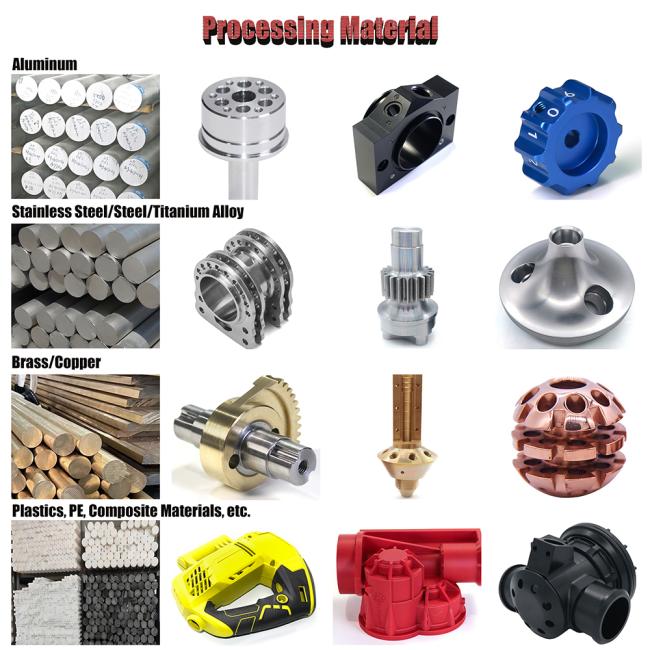
Steel plates are thick, flat sheets of steel, typically ranging from 3mm to over 200mm in thickness. They’re produced by rolling or casting molten steel into large slabs, which are then cut to size. Unlike thinner sheet metal, steel plates are used where serious strength and durability are required.
Why Are Steel Plates So Widely Used?
It all comes down to their incredible properties:
- Strength: They can support massive loads without bending or breaking.
- Durability: Resistant to impact, wear, and extreme weather.
- Versatility: Can be cut, welded, drilled, and shaped for countless applications.
- Safety: Provide structural integrity in critical environments like construction and transportation.
Types of Steel Plates (And What They’re Used For)
Not all steel plates are the same. Here are the most common types:
1.Mild Steel Plates
- Uses: General construction, frames, machinery bases.
- Pros: Affordable, easy to weld and machine.
2.High-Strength Low-Alloy (HSLA) Plates
- Uses: Bridges, towers, heavy equipment.
- Pros: Stronger than mild steel, better resistance to corrosion.
3.Stainless Steel Plates
- Uses: Food processing, medical equipment, chemical tanks.
- Pros: Resists rust and stains, easy to clean.
4.Abrasion-Resistant (AR) Plates
- Uses: Mining equipment, bulldozer blades, quarry machinery.
- Pros: Extremely hard surface withstands heavy wear and tear.
5.Tool Steel Plates
- Uses: Dies, molds, cutting tools.
- Pros: Hardness and heat resistance for precision applications.
Where You’ll Find Steel Plates in Action
- Construction: Skyscrapers, bridges, and industrial buildings.
- Shipbuilding: Hulls, decks, and structural components.
- Heavy Machinery: Excavators, cranes, and agricultural equipment.
- Energy Sector: Wind turbine towers, oil rigs, and pipeline supports.
- Defense: Military vehicles, armored plating, and infrastructure.
How Steel Plates Are Processed and Fabricated
Raw steel plates rarely stay “as-is.” They’re almost always customized through:
- Cutting: Laser, plasma, or waterjet cutting to shape.
- Bending: Formed into curves or angles using press brakes.
- Welding: Joined to other components for structural assemblies.
- Drilling/Tapping: Adding holes for bolts and fittings.
- Surface Treatment: Painting, galvanizing, or coating for corrosion protection.
The Future of Steel Plates
Innovation continues with:
- Higher-strength variants that allow lighter, stronger designs.
- Improved coatings for longer life in harsh environments.
- Automated fabrication using robotics and AI for precision cutting and welding.
Final Thoughts
Steel plates might not be glamorous, but they’re one of the most essential materials in engineering and construction. From supporting skyscrapers to withstanding brutal industrial use, they deliver unmatched performance and reliability.
Whether you’re designing a new structure, repairing equipment, or prototyping a product, understanding steel plates can help you make smarter, safer, and more cost-effective decisions.

FAQ
1. Are you a manufacturer or a trading company?
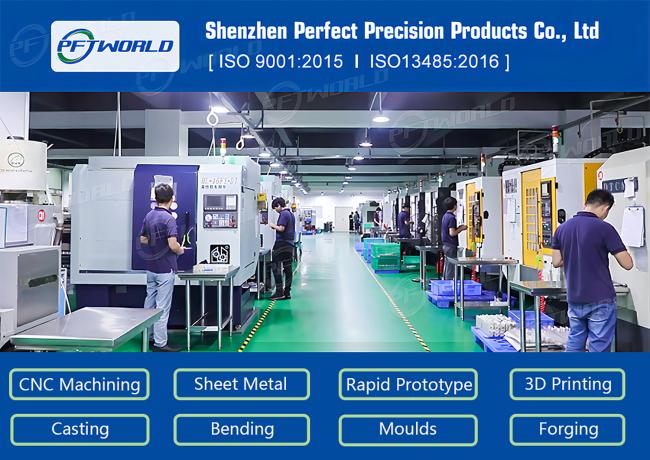
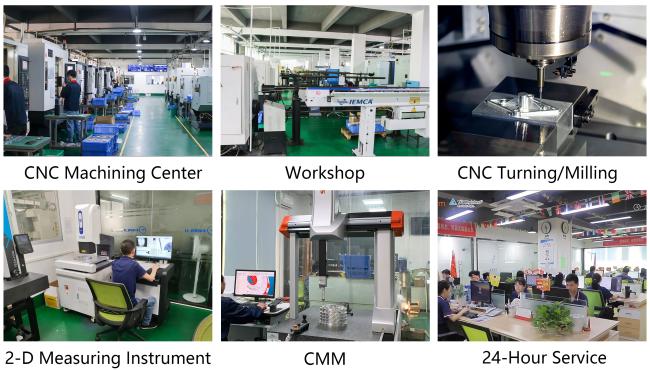
covering 6000 square meters. Complete facilities, including 3D quality inspection equipment, ERP system and 40 machines. If necessary, we can provide you with material certificates, sample quality inspection and other reports.
Detailed drawings (PDF/STEP/IGS/DWG...), including quality, delivery date, materials, quality, quantity, surface treatment and other information.
Get in Touch
Have questions about our products or want to discuss a custom order? Our team is ready to help you.