
Zinc Plating for Aluminum Stamped Parts
So, you’ve got aluminum stamped parts—lightweight, strong, and cost-effective. But aluminum can corrode, scratch, or just look a little… plain. That’s where zinc plating comes in. It’s like giving your parts a protective jacket that also adds a sleek, professional finish.


Why Zinc Plate Aluminum Stamped Parts?
Aluminum naturally forms an oxide layer that protects it from corrosion—but that’s not always enough, especially in harsh environments. Zinc plating adds an extra layer of defense and brings other benefits too:
- Corrosion Resistance: Zinc acts as a sacrificial layer, meaning it corrodes before the aluminum does.
- Better Appearance: You get a clean, shiny finish (usually silver, black, or blue).
- Improved Durability: The coating helps resist wear and minor abrasion.
- Solderability: Zinc-plated surfaces can be easier to solder, depending on the application.
How Zinc Plating Works on Aluminum
A good plating process usually includes these stages:
- Cleaning: Removing oils, dirt, or residues from the stamping process.
- Etching: Mild acids prepare the surface by removing the natural oxide layer.
- Zincation: This is the key step! The aluminum is dipped in a zincate solution, which deposits a thin layer of zinc that other metals can bond to.
- Plating: The part goes into the zinc plating bath (often electroplating).
- Passivation (Optional): A clear or colored chromate conversion coating can be added for extra corrosion resistance and color.
- Rinsing & Drying: Final steps to seal the finish.
Types of Zinc Plating for Aluminum
Not all zinc plating is the same. Common approaches include:
- Electroplating: Uses electrical current to bond zinc—good for precise, even coatings.
- Mechanical Plating: Zinc particles are cold-welded to the part; less risk of hydrogen embrittlement.
- Zinc-Nickel Alloy Plating: Offers superior corrosion resistance, ideal for automotive or aerospace uses.
Key Benefits Summarized
- Cost-Effective: Extends part life without a major price bump.
- Aesthetic Flexibility: Available in clear, blue-bright, black, yellow, and more.
- RoHS-Compliant Options: Modern trivalent chromates replace toxic hexavalent chrome.
- Improved Performance: Better conductivity, hardness, and wear resistance vs. bare aluminum.
Design & Stamping Tips for Better Plating
- Avoid sharp edges—they attract more current during plating, leading to uneven coating.
- Make sure parts can be racked or tumbled easily for uniform plating.
- Discuss finish requirements early with your stamper and plater.

FAQ
1. Are you a manufacturer or a trading company?
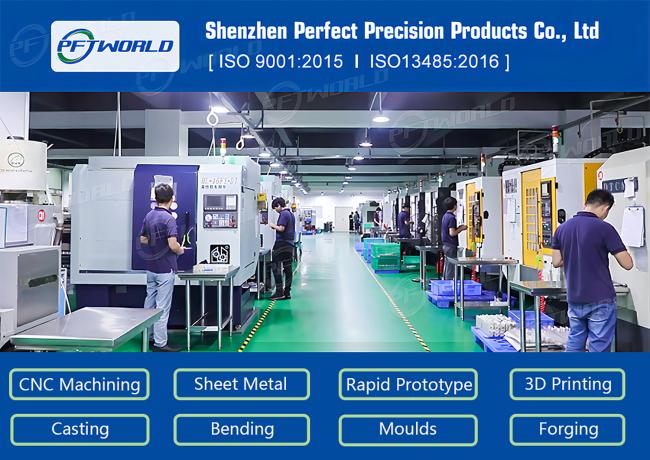
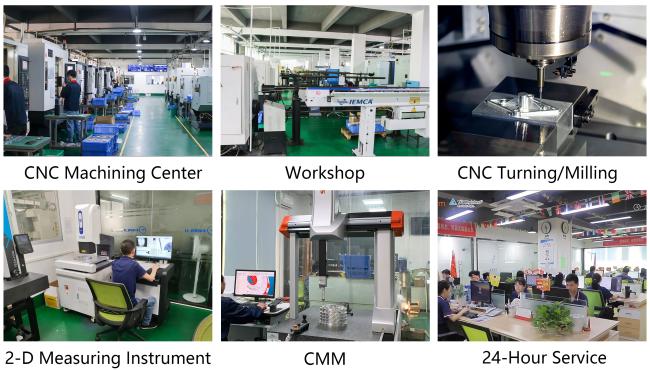
covering 6000 square meters. Complete facilities, including 3D quality inspection equipment, ERP system and 40 machines. If necessary, we can provide you with material certificates, sample quality inspection and other reports.
Detailed drawings (PDF/STEP/IGS/DWG...), including quality, delivery date, materials, quality, quantity, surface treatment and other information.
Get in Touch
Have questions about our products or want to discuss a custom order? Our team is ready to help you.